Engineered with state-of-the-art coatings to reduce facade cleaning frequency and maximize light transmittance in tropical climates.
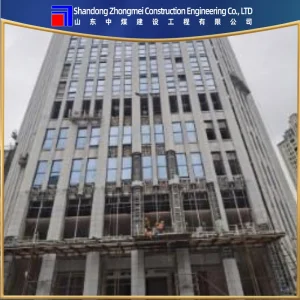
The Democratic Republic of the Congo (DR Congo) is experiencing a historic construction and urbanization boom, particularly in key hubs such as Kinshasa, Lubumbashi, Kolwezi, and Goma. As real estate development moves toward modern, high-rise architectural concepts with glazed curtain walls, architectural design faces unique regional and environmental challenges. In equatorial climates, structures are exposed to high humidity, intensive seasonal rainstorms, and significant atmospheric dust from unpaved regional networks or industrial mining activities.
Traditional glass façades in DR Congo quickly accumulate dust, mineral grime, and microbial organic film. Manual cleaning of high-rise structural glazing is not only dangerous but poses severe operational and maintenance expenses (OPEX) for facility managers. This white paper analyzes the integration of self-cleaning nano-coated glass as a sustainable, cost-saving building solution for commercial, institutional, and high-end residential real estate developments in Central Africa.
Self-cleaning glass is categorized into two main technologies, each functioning on contrasting physical and chemical principles to optimize surface tension and decompose residues.
The primary technology utilized for high-rise architectural facades is the photocatalytic hydrophilic coating. A microscopic, chemically bonded layer of Titanium Dioxide (TiO2) nanocrystals is applied to the exterior surface of float glass (typically during the pyrolytic manufacturing process at high temperatures). This technology works in two sequential stages:
Hydrophobic coatings alter the glass surface chemistry to achieve a high water contact angle (typically greater than 105°). This forces moisture to form tight, spherical droplets. As these droplets roll off the inclined glass surfaces, they gather and sweep away dust and dirt particles. Hydrophobic surfaces are ideal for settings with constant water flow or high angles of inclination, such as shower enclosures, skylights, and automotive/touchscreen applications.
| Performance Metric | Hydrophilic Glass (TiO2) | Hydrophobic Glass (Silica/Polymer) |
|---|---|---|
| Water Contact Angle | < 10° (Water spreads flat) | > 105° (Water forms beads) |
| Activation Source | Requires Natural UV Light (Sunlight) | Mechanical movement & gravity |
| Primary Application | High-rise curtain walls, outdoor glass facades | Shower enclosures, touchscreens, partition walls |
| Lifespan of Coating | Lifetime (Pyrolytic chemical bond) | 5 to 10 years (requires reapplying depending on wear) |
| Organic Degradation | Decomposes organic compounds actively | Repels water & oil dynamically |
Specifying building materials for urban projects in DR Congo requires an understanding of localized climate patterns:
SEO Insight: Integrating self-cleaning glass in Kinshasa or Lubumbashi development projects reduces structural maintenance labor costs by up to 80% and lowers municipal water consumption for commercial building upkeep.
As Chinese-African industrial cooperation deepens under the Belt and Road Initiative, purchasing direct-from-factory architectural glass from Hebei DotView Glass Co., Ltd. offers considerable advantages for developers in DR Congo:
1. Advanced Deep-Processing Standards: China's glass manufacturing leads the world in Magnetron Sputtered Vacuum Deposition (MSVD) technology. This ensures uniform nano-scale distribution of TiO2 coatings, yielding consistent self-cleaning capabilities across glass sheets.
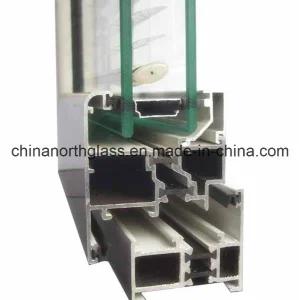
2. Structural Customization: DotView Glass supplies self-cleaning properties integrated with energy-saving dual-pane Low-E insulating glass, laminated safety layers, and high-strength tempered structures.
3. Logistics and Port Delivery: Seamless shipping operations from northern China (Tianjin Port) directly to the Port of Matadi (DR Congo) or via transshipment channels through Dar es Salaam and Mombasa. This process ensures structural glass shipments arrive at DRC project sites intact and on schedule.
Hebei DotView Glass Co., Ltd. complies with rigorous international quality standards, including SGCC (North America), CE EN12150 (Europe), and GB15763 (China). The company utilizes advanced testing equipment to evaluate coating thickness, light transmission, and abrasion resistance. This level of quality control guarantees that glass installed on high-end projects retains its self-cleaning properties for decades.
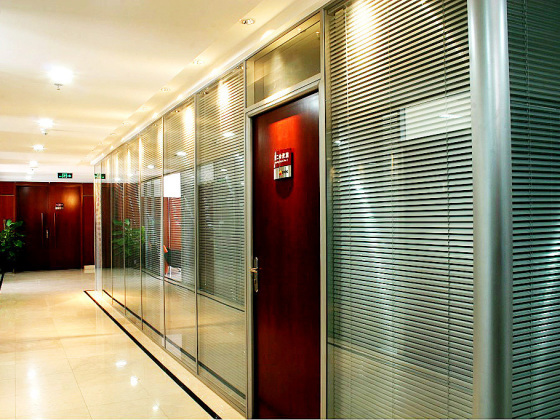
Hebei DotView Glass Co., Ltd. was established in 2005 and has since become a leading provider of specialized glass products and solutions. The company boasts advanced domestic glass deep-processing equipment and a robust operational management system. With a focus on innovation, Hebei DotView Glass specializes in the research, development, and manufacturing of high-quality architectural safety energy-saving glass and industrial glass. It also offers customized product services to meet the diverse needs of its clients.
The company's core product range includes tempered glass, laminated glass, Low-E insulating glass, fire-resistant glass, built-in Venetian blind insulating glass, and ceramic frit glass, among others. These products are widely used in high-end building curtain walls, doors and windows, and decoration projects, offering a wide range of functional and aesthetic solutions.
Hebei DotView Glass is proud to hold more than 50 core technology patents, demonstrating its commitment to research and development. The company has successfully completed over 100 prestigious engineering projects, delivering high-performance glass solutions that enhance the safety, sustainability, and aesthetic appeal of buildings. The company enjoys long-term, stable partnerships with leading real estate developers such as Longfor Properties, Vanke Properties, Hongkong Land, China Merchants Property, China Overseas Property, CapitalLand, Poly Developments, and Dazheng.
Hebei DotView Glass has provided energy-efficient glass products and complete enclosure solutions for notable landmark buildings such as Longfor Xinyi Street, Longfor Shunshan Mansion, Longfor Chenlinjian, Hongkong Land Yijiang County, Hongkong Land Qiyuan, Chongqing Dianjiang Fortune Center, Liangjiang Xinghui Longsheng, Guiyang High-Speed Rail Bus Building, Guizhou Zunyi Medical College, Yunnan Wenyuan Museum, Chengdu Aerospace City Shangcheng, COLI International Community, COLI Universal Mansion, COLI Ziyu Jiangshan, and Changjiahui.
Headquartered in Hebei, the company operates primarily in Northern and Eastern China. Additionally, leveraging the opportunities provided by the Belt and Road Initiative, Hebei DotView Glass exports its high-quality products to international markets including Thailand, Vietnam, Cambodia, Philippines, Indonesia, Russia, Pakistan, and Kyrgyzstan, and is actively expanding its commercial distribution networks within DR Congo and Sub-Saharan Africa.
Corporate Mission: To prioritize employee well-being, foster customer trust, and contribute positively to society.
Business Philosophy: The company adheres to principles of integrity and pragmatism, aiming for mutual benefits and win-win cooperation to build a prosperous and happy corporate community.
Valuing Employees, Creating a Shared Future: At Hebei DotView Glass, we recognize the critical role each employee plays in the success of the company. Their hard work and dedication not only contribute directly to the company's growth but also help make a positive impact on society. We believe that a happy and motivated workforce is essential for long-term success, as it enables the company to provide excellent service and innovative solutions to its customers.
Dedicated Customer Service, Earning Sincere Recognition: We firmly believe in providing proactive care to our customers, offering the highest quality products and services. Our commitment is to address customer needs promptly and thoughtfully, ensuring their complete satisfaction. By delivering exceptional service with sincerity and warmth, we aim to build lasting relationships based on trust, loyalty, and mutual respect.
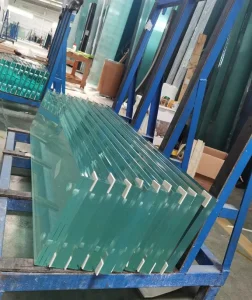
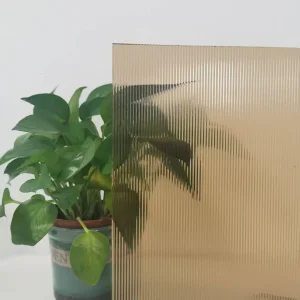
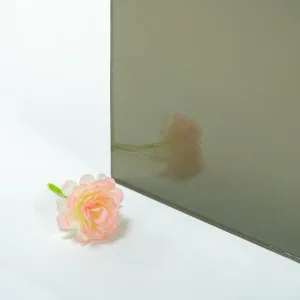
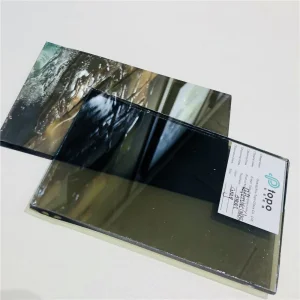
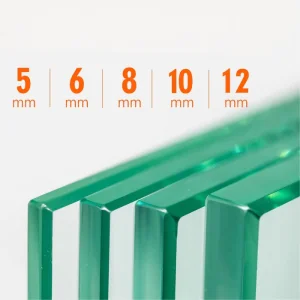
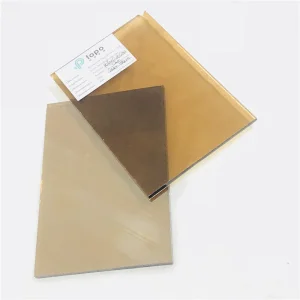
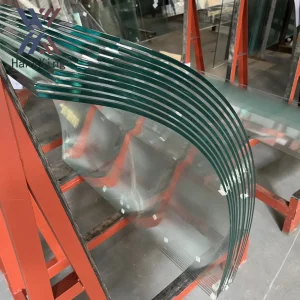
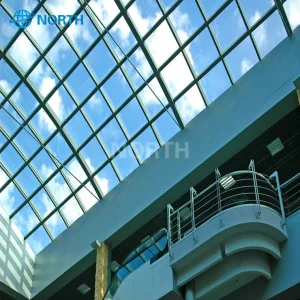
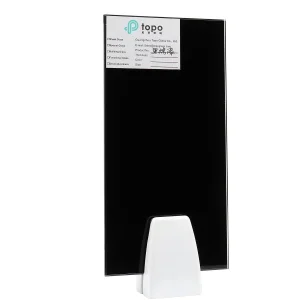
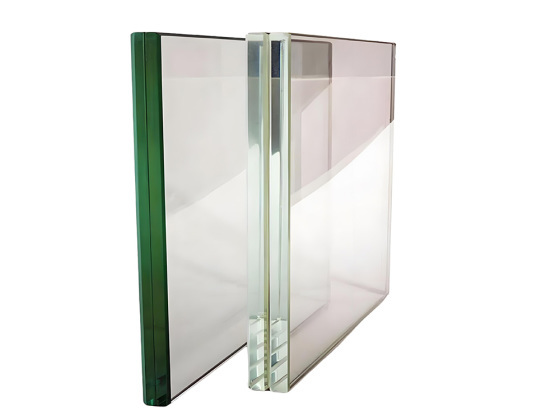
In addition to standard glass units, we manufacture specialized variations designed for diverse structural applications. These configurations are engineered to maintain high durability and self-cleaning efficiency under demanding physical conditions.
Contact our technical engineering team to obtain detailed specifications, custom coating configurations, and factory-direct pricing for your development.
Send Inquiry NowSelect from our range of specialty, colored, tempered, and reinforced configurations optimized for modern projects across DR Congo.
 DotView Glass