The Union of the Comoros, an archipelago in the Indian Ocean, is experiencing a transformative shift in its building sector. As the nation pushes toward its "Emerging Comoros by 2030" plan, the demand for sustainable, energy-efficient building materials has skyrocketed. With a tropical maritime climate characterized by high humidity and intense solar radiation, traditional glazing often leads to excessive heat gain, skyrocketing cooling costs, and UV damage to interiors.
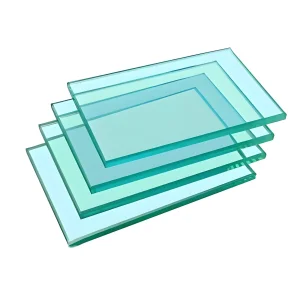
Our Low-E (Low Emissivity) glass is specifically engineered to reflect long-wave infrared energy (heat) while allowing visible light to pass through. In cities like Moroni and Mutsamudu, this means keeping the tropical heat out during the day and reducing the reliance on expensive air conditioning systems.
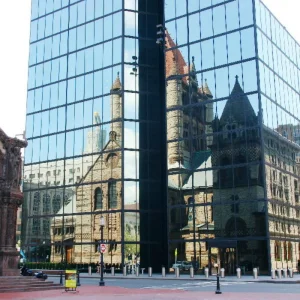
Comoros is a leader in prioritizing the "Blue Economy." By utilizing energy-saving glass, developers can significantly lower the carbon footprint of new luxury resorts and government infrastructure, aligning with global sustainability standards.
With high salinity in the air, the durability of building materials is paramount. Hebei DotView Glass utilizes advanced vacuum sputtering technology to ensure our Low-E coatings are chemically stable and resistant to the corrosive coastal environments of the Indian Ocean.
Established in 2005, Hebei DotView Glass Co., Ltd. has grown into a global powerhouse in the glass deep-processing industry. Our expertise is not just in manufacturing, but in providing contextual solutions for challenging environments.
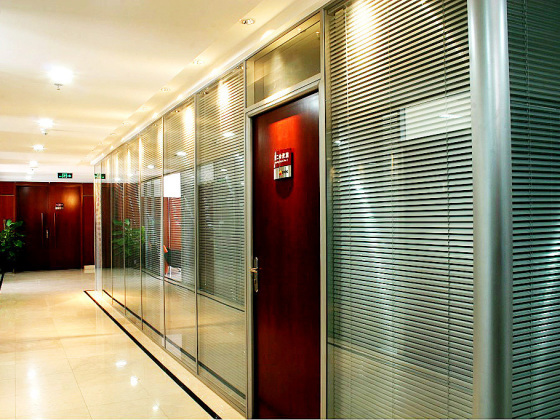
We hold over 50 core technology patents and have successfully delivered high-performance glass for over 100 prestigious engineering projects. Our long-term partnerships with real estate giants like Longfor, Vanke, and China Merchants Property are a testament to our reliability and technical prowess.
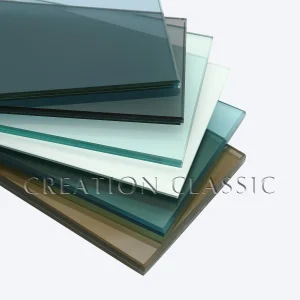
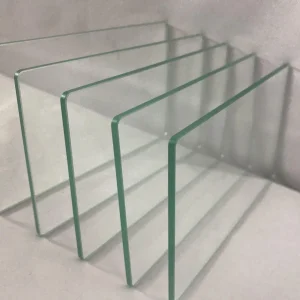
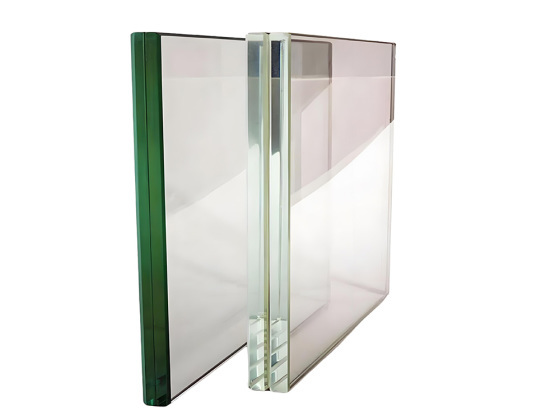
The burgeoning tourism sector in Comoros requires glass that offers both safety and aesthetic brilliance. Our Extra Clear Low-E Laminated Glass is perfect for seaside villas and high-end hotels, offering panoramic views of the ocean without the greenhouse effect. The lamination provides an extra layer of security against cyclonic winds frequent in the region.
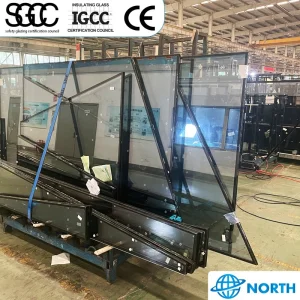
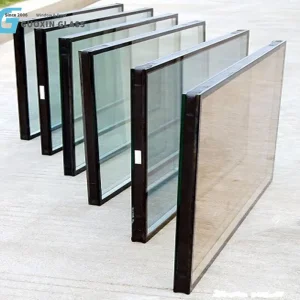
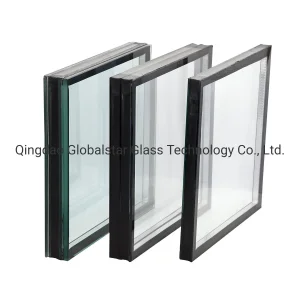
From airport terminals to medical colleges, DotView provides Heat-Soaked Triple Silver Low-E Insulating Glass. This technology represents the pinnacle of thermal efficiency, blocking up to 95% of solar infrared heat while maintaining high transparency.
As a leading Chinese exporter, we offer several key advantages to Comoros-based importers:
Q: What is the primary benefit of using Low-E glass in the Comoros climate?
A: Low-E glass significantly reduces the amount of solar heat gain. In the Comoros' tropical climate, this keeps interior spaces cooler, reduces AC energy consumption by up to 30-40%, and protects furniture from fading due to UV rays.
Q: Can DotView Glass handle custom sizes for specific projects in Moroni?
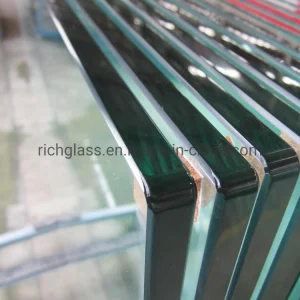
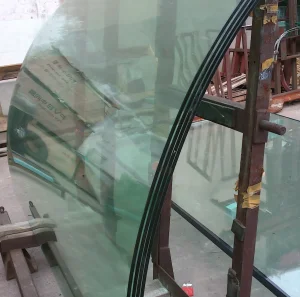
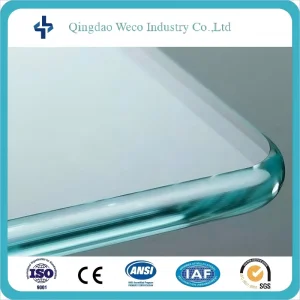
A: Yes, we specialize in customized product services. Whether it's curved tempered glass for a boutique hotel or oversized panels for a commercial curtain wall, our advanced deep-processing equipment can meet precise specifications.
Q: How do you ensure the glass doesn't break during shipment to the Comoros?
A: We use export-grade sea-worthy plywood crates with moisture-proof paper or powder interlayer. We have years of experience shipping to island nations, ensuring the glass arrives intact despite the long sea voyage.
Q: Do your products come with international certifications?
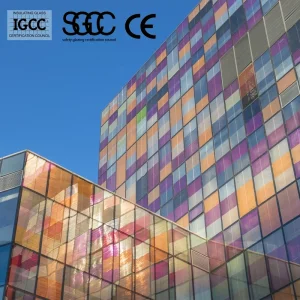
A: Absolutely. Our glass holds CE (Europe), SGCC (North America), and ANSI certifications. We are a verified manufacturer with a robust quality management system.
Contact our expert team today for technical consultation, project budgeting, and high-performance Low-E glass procurement.
Send Inquiry Now DotView Glass