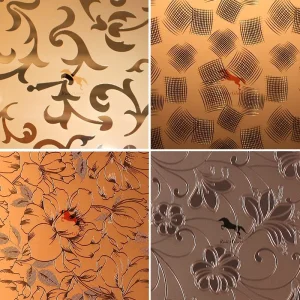
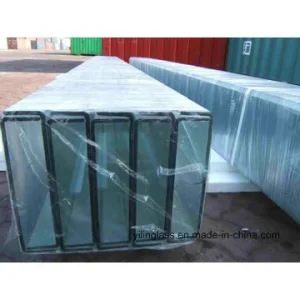
Explore our primary collection of high-performance glass products engineered for modern balustrades, structural envelopes, and decorative facades.
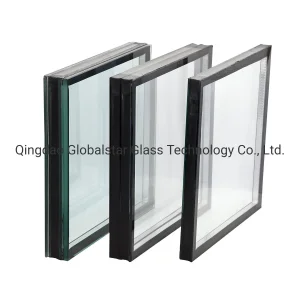
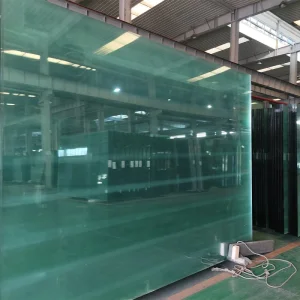

Established in 2005, Hebei DotView Glass Co., Ltd. has grown into a leading global provider of specialized glass products and engineered structural systems. Equipped with state-of-the-art domestic deep-processing facilities and a highly integrated, computerized operational management matrix, the company stands at the forefront of the architectural safety energy-saving sector.
Our focus center around the intense R&D, precision manufacturing, and customized supply of safety-critical glass. We supply advanced solutions for complex curtain walls, balustrades, doors, and interior partitions, tailoring each production line to align strictly with global engineering drawings and load calculations.
To prioritize employee well-being, foster customer trust, and contribute positively to society. We operate on the principles of absolute integrity and pragmatism, striving for collaborative win-win frameworks that empower developers and contractors worldwide.
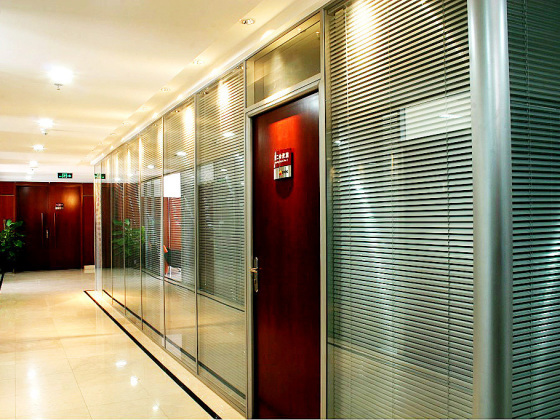
For commercial developers, facade consultants, and master contractors, procuring glass balustrades involves intricate parameters spanning structural performance, environmental resistance, and strict local codes.
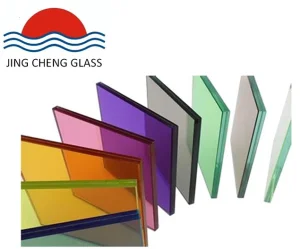
Balustrades act as primary fall-prevention barriers. Modern building codes reject low-grade glass. The demand is exclusively for fully tempered, heat-soaked, and laminated options—such as SGP or PVB interlayers—which guarantee post-breakage load-bearing capacity and fragment retention.
Standardized sizes rarely align with custom architectural designs. Projects require custom radius curves, precise CNC-machined cutouts, countersunk holes, and edge polishing designed to fit proprietary shoe-molding, post-mount, or point-supported structural brackets.
Architects cannot specify glass products that do not carry local certifications. Compliance with North American SGCC/ANSI, European CE/EN 12150/EN 12600, and Australian AS/NZS 2208 is crucial for liability management and smooth project sign-offs.
Structural glass is evolving from a passive barrier into an active, functional component of the building envelope.
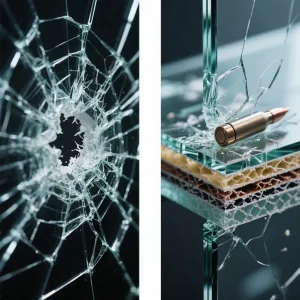
SentryGlas® Plus (SGP) represents the pinnacle of laminating tech. SGP is 5 times stronger and up to 100 times stiffer than traditional PVB interlayers. If broken, the SGP laminated glass remains standing, maintaining structural integrity under wind and impact loads, making it ideal for high-rise open balustrades.
By integrating titanium dioxide (TiO2) hydrophobic and hydrophilic nanocoatings directly onto the glass face during manufacturing, organic dirt is decomposed by UV rays, and rain washes away residue without leaving spots, drastically reducing maintenance costs in high-rise buildings.
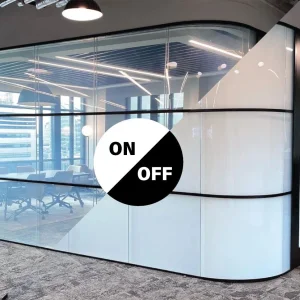
The incorporation of PDLC (Polymer Dispersed Liquid Crystal) films between laminated glass layers allows glass balustrades to transition from transparent to opaque instantly. Ideal for VIP viewing boxes, commercial dividers, and luxury residential balconies requiring switchable privacy.
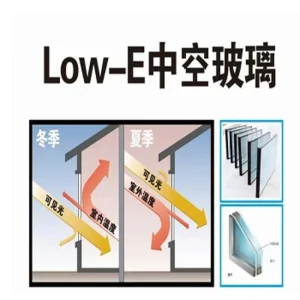
Integrating dual-action Low-E coatings and vacuum insulated configurations inside perimeter railings adjacent to facades reduces radiant heat feedback into interior zones, lowering HVAC consumption and improving building energy envelopes.
Every architectural environment presents distinct safety and aesthetic challenges. We manufacture targeted, application-specific glass configurations to meet these demands.
| Sector / Application | Primary Technical Challenges | Recommended Glass Specification | Engineering Benefit |
|---|---|---|---|
| High-Rise Coastal Balconies | Extreme localized wind loads, salt spray corrosion, thermal shock. | 12mm + 1.52 SGP + 12mm Tempered Laminated Low-Iron Glass with polished edges. | High flexural modulus, superior edge stability against moisture, no delamination. |
| Public Transit & Airports | High crowd pressure, heavy passenger traffic, physical impact risk. | 15mm + 2.28 PVB + 15mm Heat Strengthened Laminated Glass. | Exceptional blunt impact resistance, compliance with crowd control load vectors. |
| Commercial Malls & Atriums | High pedestrian traffic, risk of falling objects, strict aesthetic clarity requirements. | 10mm + 1.52 PVB + 10mm Ultra-Clear (Low-Iron) Tempered Glass. | 91% + light transmission, minimal color distortion, zero greenish tint on exposed edges. |
| Extreme Cold & Thermal Shifts | Internal glass tension, rapid freeze-thaw cycles. | Heat-Soak Tested (HST) Double-Glazed Laminated Units with warm-edge spacers. | Elimination of spontaneous breakage risks from nickel sulfide (NiS) inclusions. |
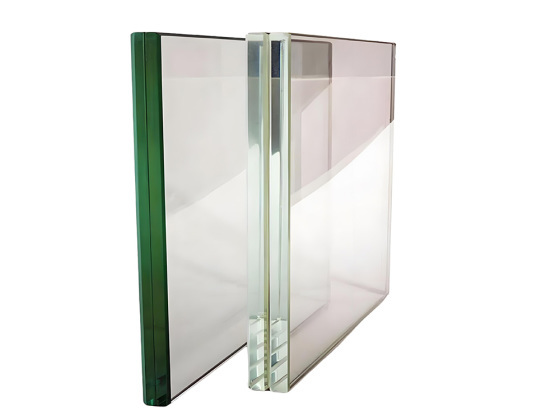
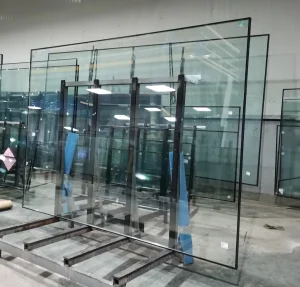
Operating from our modern production base in Hebei, Hebei DotView Glass leverages the geographical power of China’s raw materials ecosystem and advanced industrial cluster. Our factory implements automated deep-processing lines featuring:
By controlling the process from float glass cutting to heat-soak testing, we mitigate common supply chain risks. We ensure cost-competitiveness, high packaging safety, and streamlined shipping through major regional ports like Tianjin, allowing us to supply large-scale global developments efficiently.
We perform extensive testing to ensure that our structural glass railings comply with international structural safety codes.
Simulates dynamic human impacts. Standardized weights are dropped onto the center and edges of tempered-laminated panels, ensuring no penetration or catastrophic structural failure occurs.
Laminated samples are boiled for several hours to evaluate interlayer stability. This ensures the edge profile remains secure against humidity, temperature spikes, and moisture penetration.
Determines structural performance under extreme static wind pressures and cyclic loads, especially for oceanfront balustrades and rooftop installations.
Our commitment to rigorous testing and quality control has helped us build long-term partnerships with leading developers, including Longfor Properties, Vanke Properties, Hongkong Land, China Merchants Property, China Overseas Property, CapitalLand, Poly Developments, and Dazheng.
DotView Glass has delivered energy-efficient glass products and enclosure systems for landmark developments like Longfor Xinyi Street, Longfor Shunshan Mansion, Longfor Chenlinjian, Hongkong Land Yijiang County, Hongkong Land Qiyuan, Chongqing Dianjiang Fortune Center, Liangjiang Xinghui Longsheng, Guiyang High-Speed Rail Bus Building, Guizhou Zunyi Medical College, Yunnan Wenyuan Museum, Chengdu Aerospace City Shangcheng, COLI International Community, COLI Universal Mansion, COLI Ziyu Jiangshan, and Changjiahui.
Technical and regulatory questions regarding glass balustrade design, manufacturing processes, and shipping procedures.
SGP (SentryGlas® Plus) is superior for outdoor, frameless, and structural railing designs. It is 5 times stronger and 100 times stiffer than PVB, offering high post-breakage strength that keeps the glass panel standing. Additionally, SGP has excellent resistance to moisture penetration and edge delamination under UV exposure, making it ideal for coastal and high-humidity environments. PVB is a cost-effective choice for framed and indoor railings where structural load requirements are lower.
Railing thickness is determined by wind loads, occupant patterns, and mounting systems. For framed residential railings, tempered glass between 8mm and 12mm is typical. For frameless, structural, and public railing systems, we recommend tempered laminated glass ranging from 13.52mm (6mm + 1.52 PVB/SGP + 6mm) up to 21.52mm (10mm + 1.52 SGP + 10mm). Custom commercial applications with heavy traffic may require thicker configurations, such as 25.52mm.
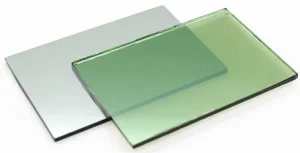
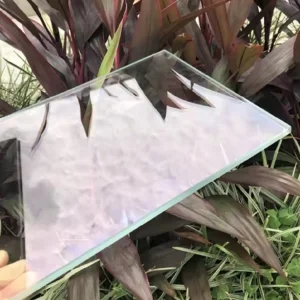
Standard clear float glass contains iron oxides, which produce a visible green tint, particularly on exposed, polished edges. Low-iron glass (such as ultra-clear glass) reduces iron content by up to 90%, increasing light transmission and providing high clarity. This makes it ideal for showcasing surrounding views without green edge lines.
We maintain structural certifications, including SGCC (Safety Glass Certification Council) for North America, CE (EN 12150/EN 12600) for Europe, and AS/NZS 2208 for Australia. Every batch of tempered and laminated glass undergoes in-house quality control testing, including dimensional tolerance checks, edge-polishing inspections, polariscope strain analysis, and heat-soak testing to eliminate nickel sulfide spontaneous breakage risks.
Yes, we specialize in custom OEM/ODM curved glass railings. Our factory operates advanced CNC glass bending and tempering lines capable of producing cylindrical and non-cylindrical curves based on architectural CAD or Revit files. We coordinate curve radius tolerances to ensure the glass fits perfectly with your structural mounting hardware.
Our expanded product lines support modern facade, structural, and interior glazing projects.
 DotView Glass