Engineered to deliver exceptional solar control, thermal insulation, and physical endurance for commercial and residential integrations.
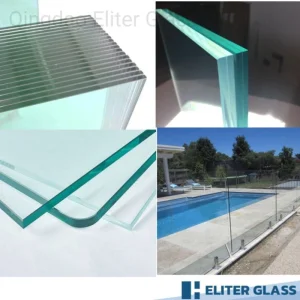
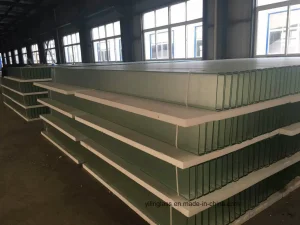
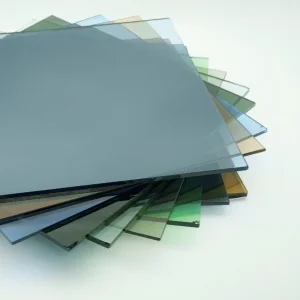
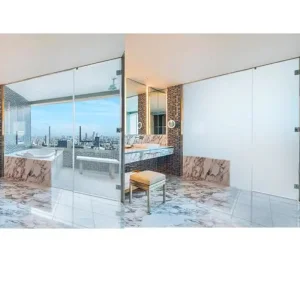
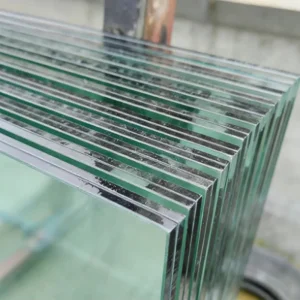
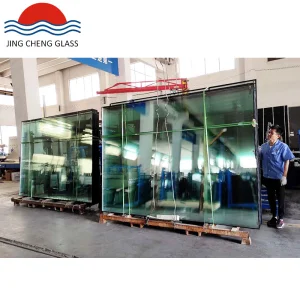
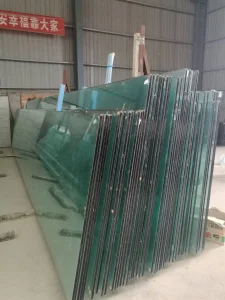
As the international community converges toward net-zero emissions targets, solar photovoltaics (PV) have established themselves as a cornerstone of future energy architectures. At the heart of this deployment is Photovoltaic Glass, a specialized material designed to protect fragile solar cells from harsh environments while maximizing light transmission to ensure optimal energy conversion. The market has grown beyond simple utility-scale solar farms. Today, architectural applications such as Building-Integrated Photovoltaics (BIPV), greenhouse glazing, and vehicle-integrated PV are expanding the requirements for high-performance solar glass.
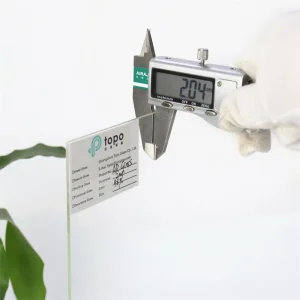
Modern PV glass requires an optimized balance of low-iron raw materials, advanced anti-reflective (AR) coatings, and mechanical strength through tempering and lamination. According to recent market analysis, global demand for solar glass is projected to rise exponentially over the next decade. As standard PV module designs pivot toward bifacial modules—which harvest light from both front and rear sides—demand for thin, durable dual-glass assemblies (typically 2.0mm to 2.5mm per pane) has dramatically outpaced traditional single-glass module construction.
China continues to control over 80% of the world's solar glass manufacturing capacity. This concentration is not merely a function of labor cost, but rather a result of deep supply-chain integration, technological scaling, and infrastructural advantages:
Established in 2005, Hebei DotView Glass Co., Ltd. has developed into a premier developer and manufacturer of specialized architectural safety glass, energy-saving glazing units, and industrial float glass substrates. Equipped with advanced domestic deep-processing lines and working under a rigorous quality management framework, we specialize in high-performance glass research, custom fabrication, and specialized architectural solutions.
Our core product line is engineered to meet demanding structural, mechanical, and optical parameters, and includes:
Holding over 50 core technology patents, DotView Glass has completed more than 100 benchmark engineering projects, supplying materials that optimize safety, environmental compliance, and aesthetics. Our domestic client roster includes premium developers like Longfor Properties, Vanke Properties, Hongkong Land, China Merchants Property, China Overseas Property, CapitalLand, Poly Developments, and Dazheng.
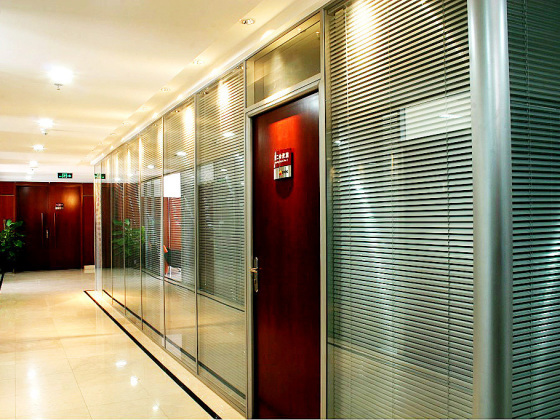
Detailing how custom glass specifications meet the demands of global architectural, commercial, and industrial markets.
Ultra-clear low-iron float glass treated with durable anti-reflective (AR) coatings optimizes solar transmittance, transforming facades and high-rise curtain walls into active power generators.
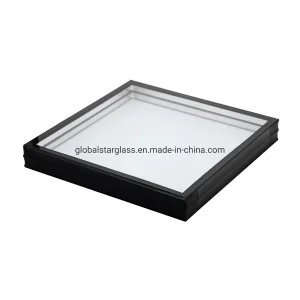
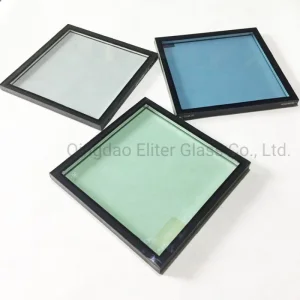
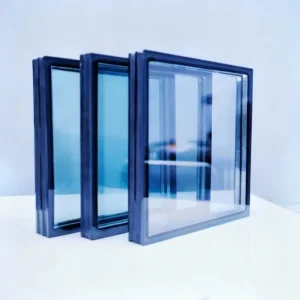
By combining Low-E magnetron sputtering with gas-filled double/triple glazing or advanced vacuum insulation, we reduce HVAC energy use by limiting solar heat gain while retaining internal warmth.
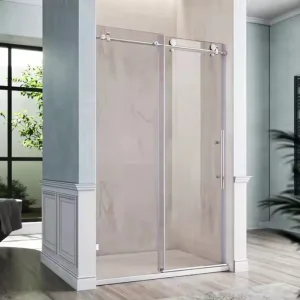
Toughened laminated and armored assemblies provide strong mechanical resistance against seismic shifts, wind shear, and impact loads, meeting global building codes.
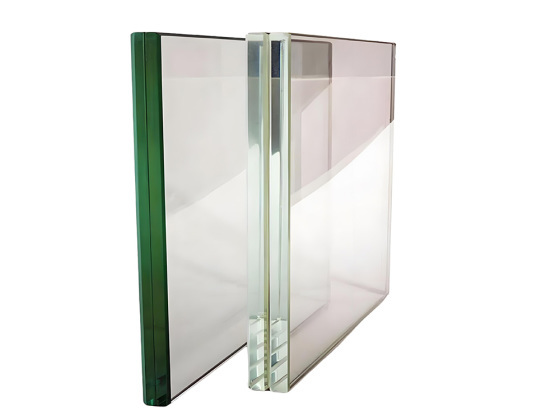
We supply high-efficiency glass solutions to iconic projects and regional developments. Representative landmarks incorporating our energy-efficient and structural glass installations include:
While headquartered in Hebei to serve Northern and Eastern China, DotView Glass actively participates in the Belt and Road Initiative. We export our processed products to growing structural and photovoltaic markets, including Thailand, Vietnam, Cambodia, Philippines, Indonesia, Russia, Pakistan, and Kyrgyzstan.
Our operation is guided by a commitment to safety, technological progress, and strong partner relationships.
To prioritize employee well-being, foster customer trust, and contribute positively to society through resource-efficient manufacturing and building envelope technologies.
We adhere to principles of integrity, pragmatism, and mutually beneficial cooperation to build long-term relationships with clients, vendors, and engineering partners.
We recognize that employee engagement and skill are vital to our manufacturing precision and service quality. DotView Glass invests in continuing safety training, clean production methods, and technological education to support a motivated workforce capable of delivering high-performance glass components.
We aim to understand project parameters from early engineering and design stages through final logistics. By providing technical reviews, structural glass calculation support, and custom processing, we ensure our architectural and solar glass solutions match design intent and construction schedules.
Procuring industrial or solar-grade glass from overseas requires careful evaluation to minimize supply-chain risk and ensure compliance with local building regulations. Procurement managers should focus on these performance and operational metrics:
Answers to common technical, commercial, and logistical questions about architectural and photovoltaic glass procurement.
Low-iron float glass is manufactured using raw silica sand that contains significantly lower iron oxide impurities (typically less than 0.01% or 100-120 ppm). Standard float glass has a higher iron concentration, giving it a greenish tint. Low-iron glass offers excellent clarity, higher light transmittance (exceeding 91.5%), and minimal color distortion. This makes it ideal for solar collectors, BIPV facades, and display installations.
AR coatings reduce light reflection at the glass surface. By applying a nanostructured silicon dioxide (SiO2) layer, light reflection is reduced from around 4% down to under 1%. This increases total light transmission through the glass to the solar cells, improving module power output by 2% to 3% depending on the angle of incidence.
Vacuum insulated glass (VIG) uses a thin vacuum gap (typically 0.1mm to 0.3mm) between two glass panes instead of a gas fill. This reduces conductive and convective heat transfer. A 10mm VIG unit can achieve thermal performance comparable to a thick triple-glazed IGU, offering excellent thermal insulation in a thinner, lighter profile. This makes it a great choice for retrofitting historical buildings and sleek curtain wall designs.
SGP interlayers are five times stronger and up to one hundred times stiffer than traditional PVB interlayers. SGP provides excellent moisture resistance, preventing edge delamination in damp environments. In the event of glass breakage, SGP retains its structural strength, keeping the pane standing within the framing system. This makes it ideal for balustrades, overhead glazing, and hurricane-resistant windows.
We supply hydrophilic coatings that use photocatalytic activity. When exposed to UV light, the coating breaks down organic dirt. When it rains, water spreads evenly over the hydrophilic surface rather than forming droplets, washing away the loosened dirt with minimal spotting. This reduces ongoing window maintenance costs for high-rise buildings.
No. All glass processing, including cutting to size, edge polishing, drilling holes, and making cutouts, must be completed before tempering. Attempting to cut or drill tempered glass will cause the internal stresses to release, shattering the entire sheet. Our engineering team works with clients to confirm all shop drawings and dimensions before fabrication begins.
Designed for architectural projects, safety compliance, and custom commercial specifications.

 DotView Glass