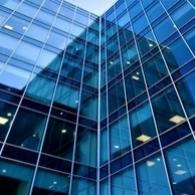
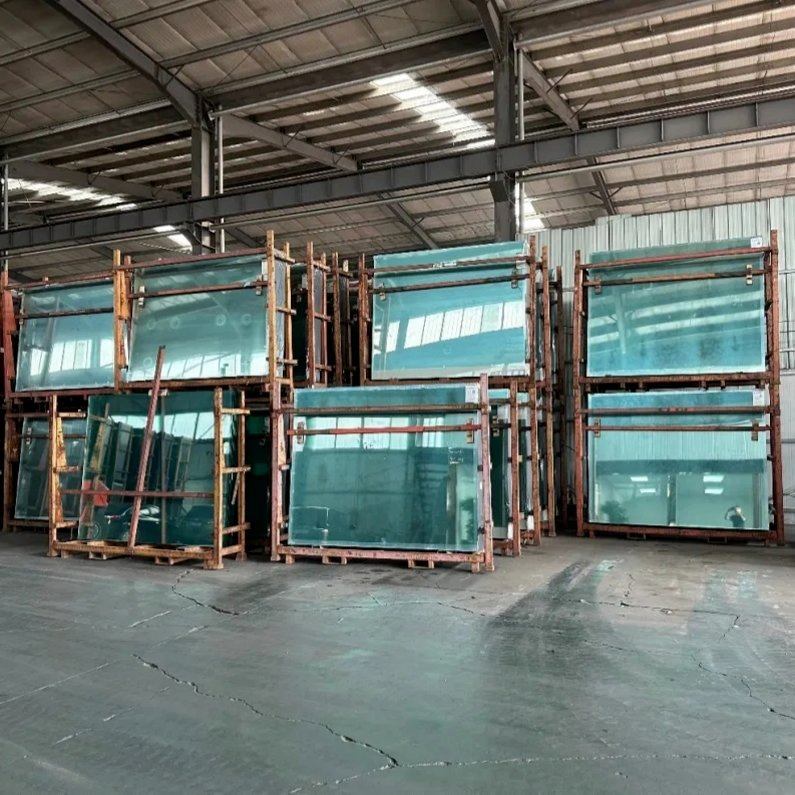
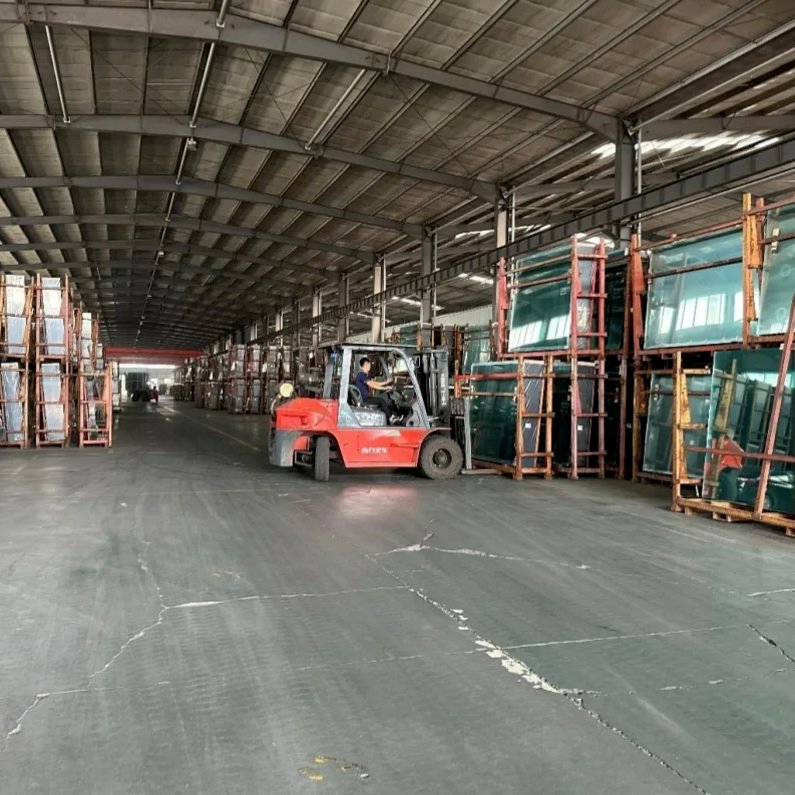
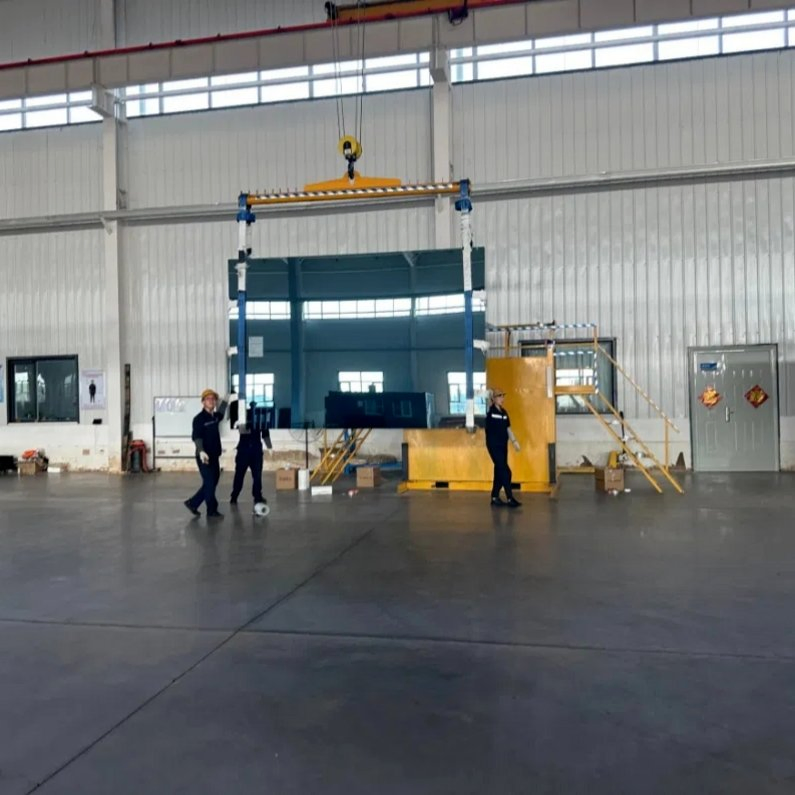
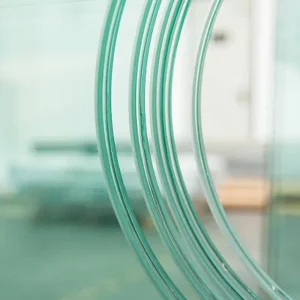
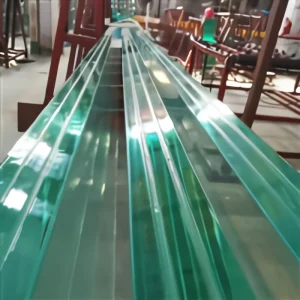
China Manufacturer PVB Sgp EVA Film Interlayer Glass Wall Window Unbreakable Bullet Resistant Curved Tempered Laminated Glass

Still deciding? Get samples of $ !
Request Sample

Product Description

Overview & Basic Information

Model NO.
Laminated Glass
Type
Laminated Glass
Shape
Flat
Appearance
Flat
Structure
Solid
Layer Type
Common Laminated Glass
Intermediate Film
Paper
Melting Point
High Temperature
Production
Dry Laminated Glass
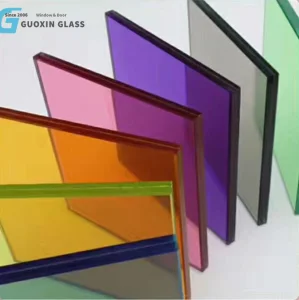
Color
Clear
Usage
Furniture, Door, Building, Window
Material
Qualified Laminated Glass
Size
Custom Sizes
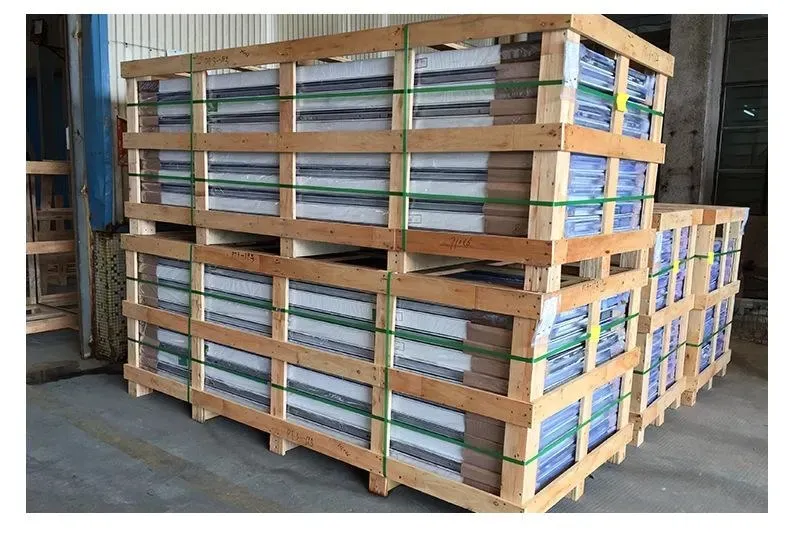
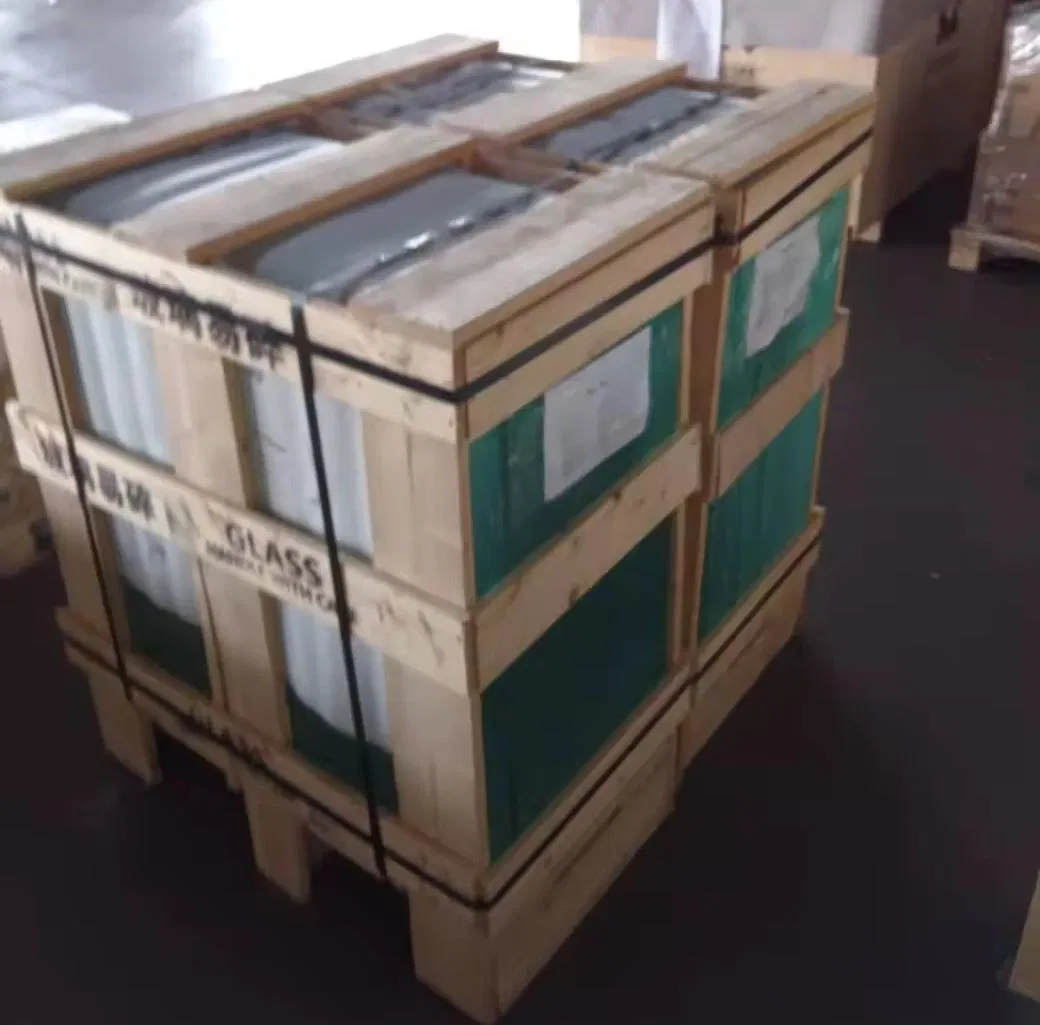
Package
Plywood Crates
Capacity
10000 Square/Day

Product Description

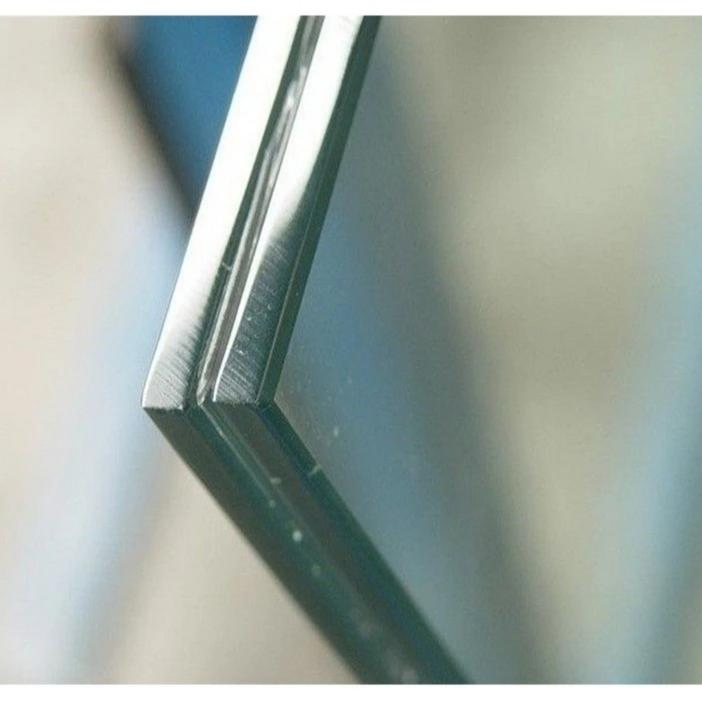
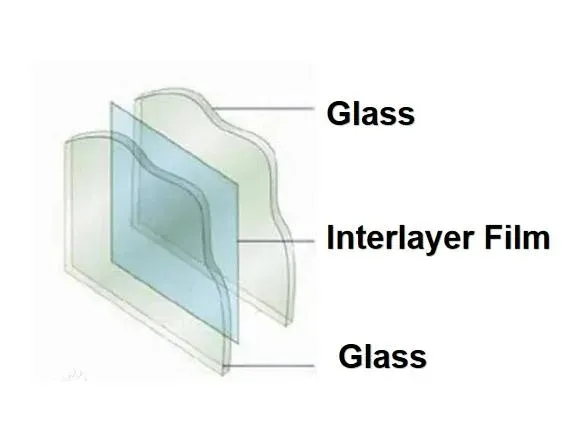
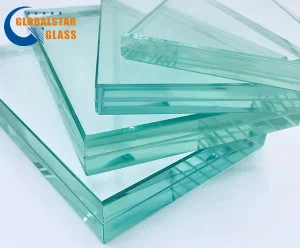
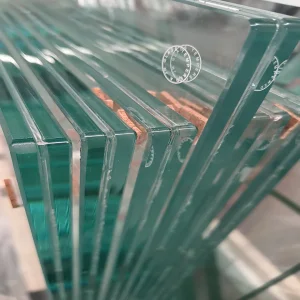
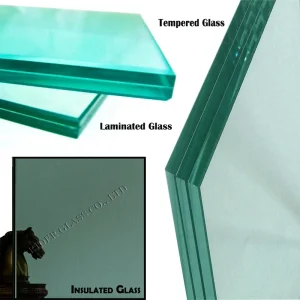
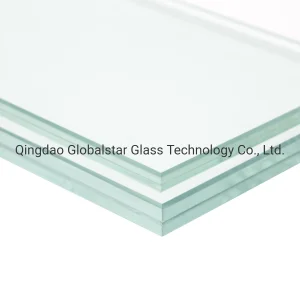
Laminated glass is a composite glass product consisting of two or more pieces of glass sandwiched with one or more layers of organic polymer intermediate film. After special high-temperature pre-pressing (or vacuum pumping) and high-temperature high-pressure processing, the glass and intermediate film are permanently bonded together. Commonly used interlayer films include PVB, SGP, EVA, PU, etc.
Laminated Glass Processing

The laminated glass processed mainly includes dry laminated glass and wet laminated glass. Dry lamination refers to the use of high temperatures to add a strong and thermoplastic resin interlayer (PVB) between two pieces of glass.

Product Parameters

Parameter Specification
Product nameLaminated Glass
Mini. size300*500mm
Max. size2440*6000mm
Interlayer filmsPVB / SGP / EVA safety glass
PVB thickness0.38mm, 0.76mm, 1.14mm, 1.52mm, 2.28mm, 2.66mm etc.
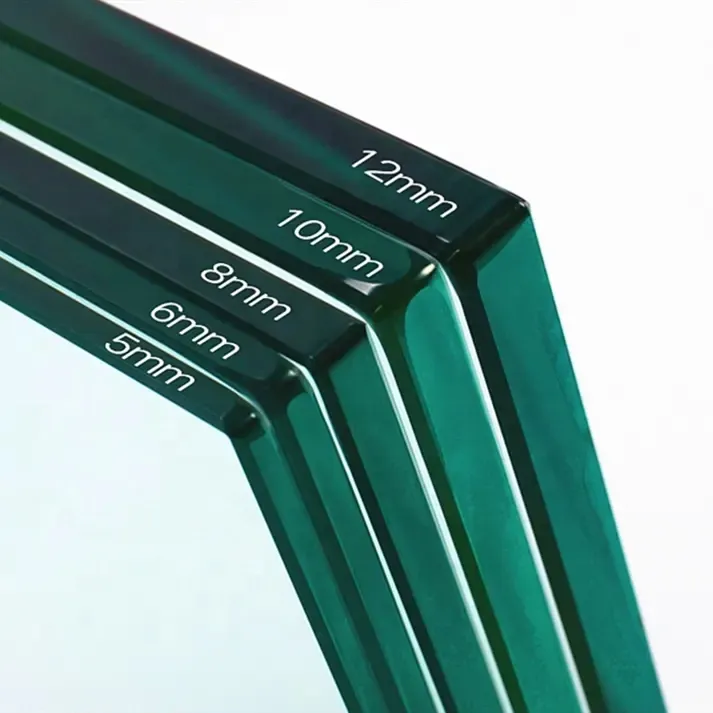
Total Thickness6.38mm ~ 30mm
Delivery time15-25 working days
Laminated Glass Specifications

Key Features

Safety Features

Most building glass adopts laminated glass to avoid accidents. It has excellent seismic intrusion resistance. The intermediate membrane can withstand continuous attacks from weapons such as hammers and cleavers, and can withstand bullet penetration for a considerable period.

PVB intermediate film blocks sound waves for a quiet office environment. Its unique UV filtering function protects skin health and prevents furniture and displays from fading. It also reduces sunlight transmission and cooling energy consumption.
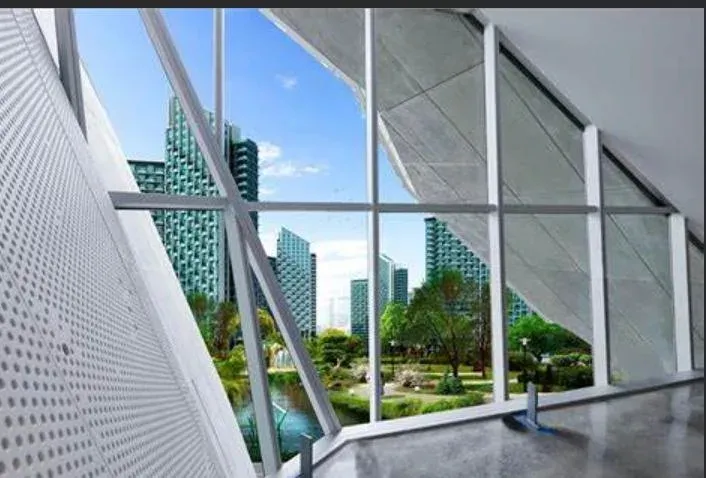
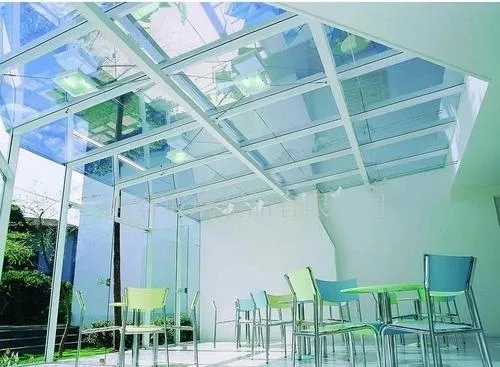
UV Filtering & Sound Insulation

Application Scenarios

Application 1
Application 2
Application 3

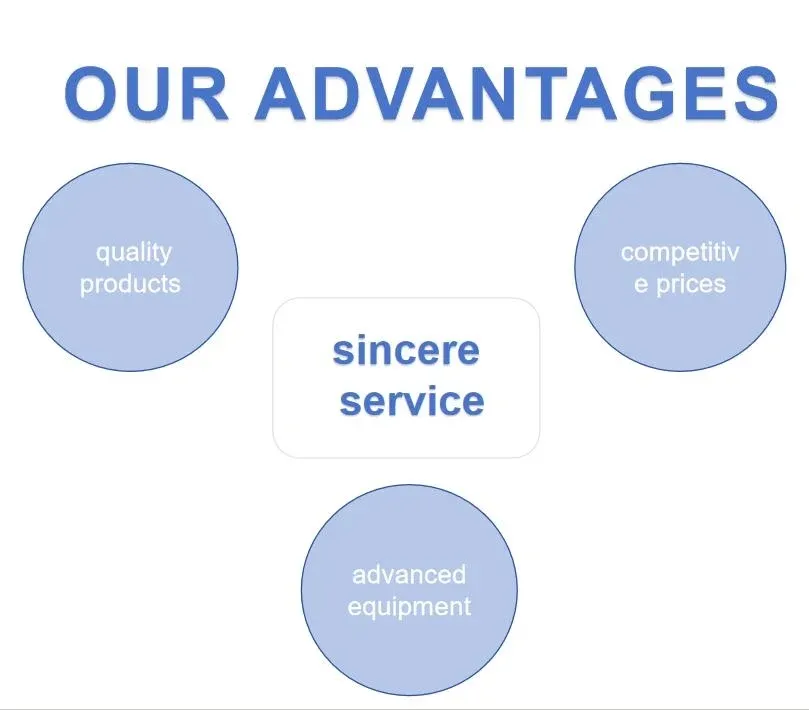
Our Advantages

Production Advantage
  • Premium Raw Materials: High quality float glass ensures a self-explosion rate of less than 0.1%.
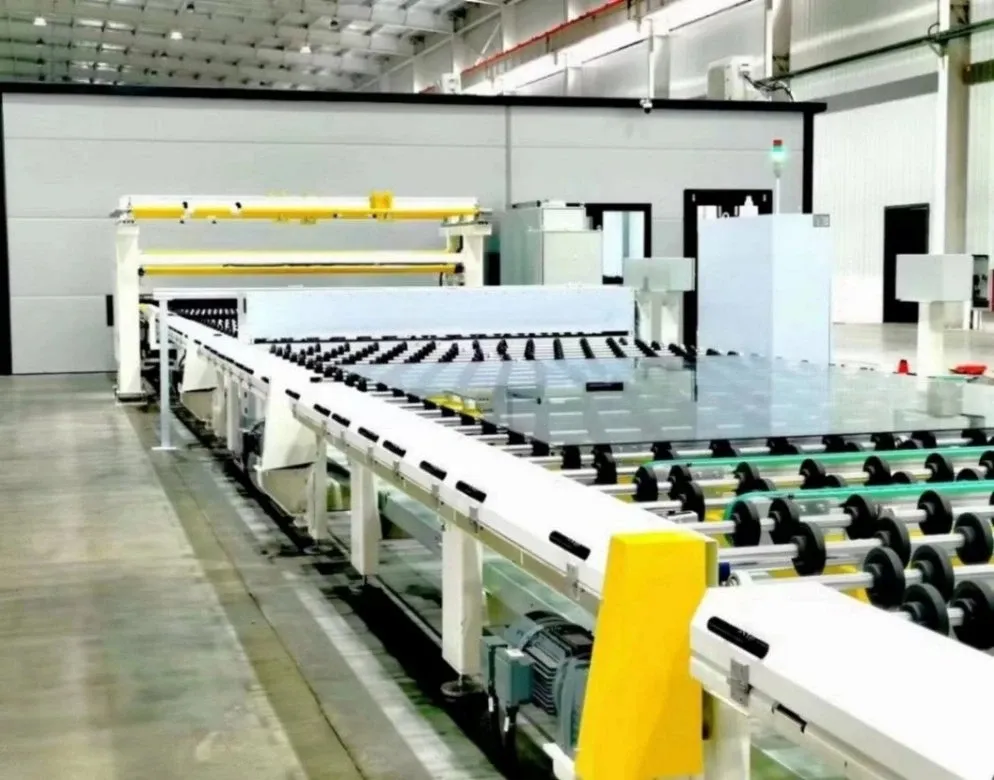
  • Strong Production Capacity: Daily output exceeds 20,000 square meters with advanced equipment.
  • Heat Resistance: 5 times more heat-resistant than standard glass, withstanding up to 250°C.
  • Sound Insulation: Reduces noise by up to 60 decibels, twice the capacity of standard glass.
  • Superior Strength: 3-5 times the strength of ordinary annealed float glass for safe use in balconies and shower doors.
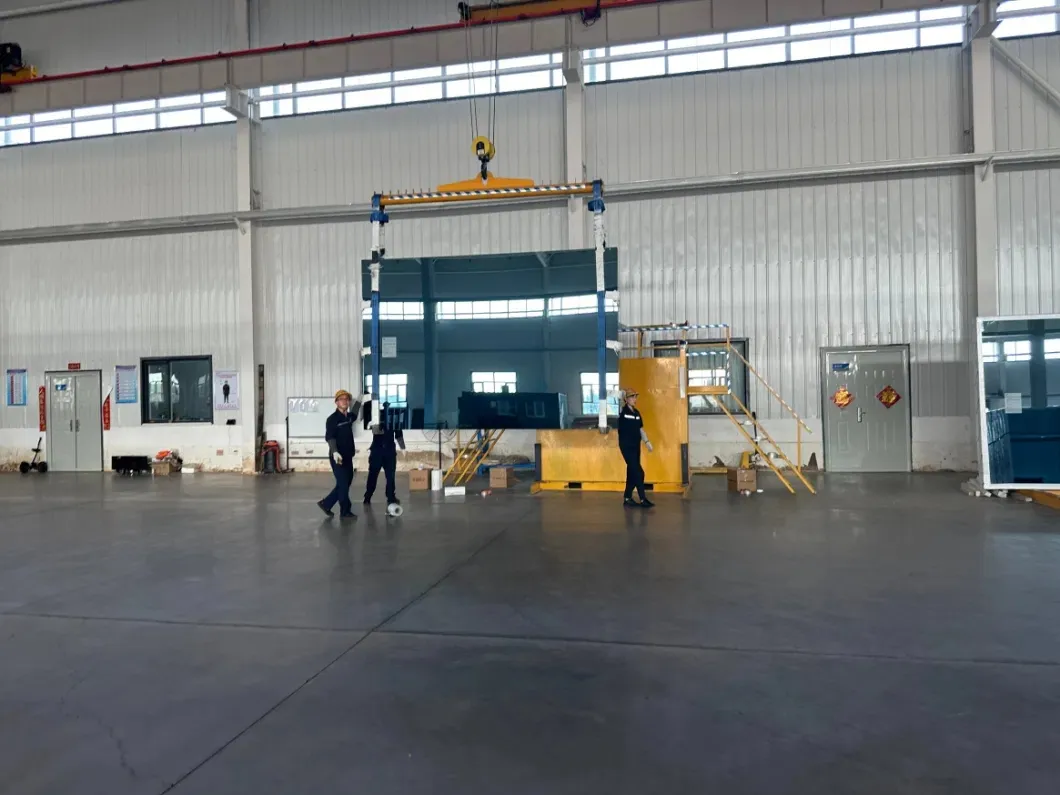
Quality Control 1
Quality Control 2

Our glass production respects strict environmental standards:
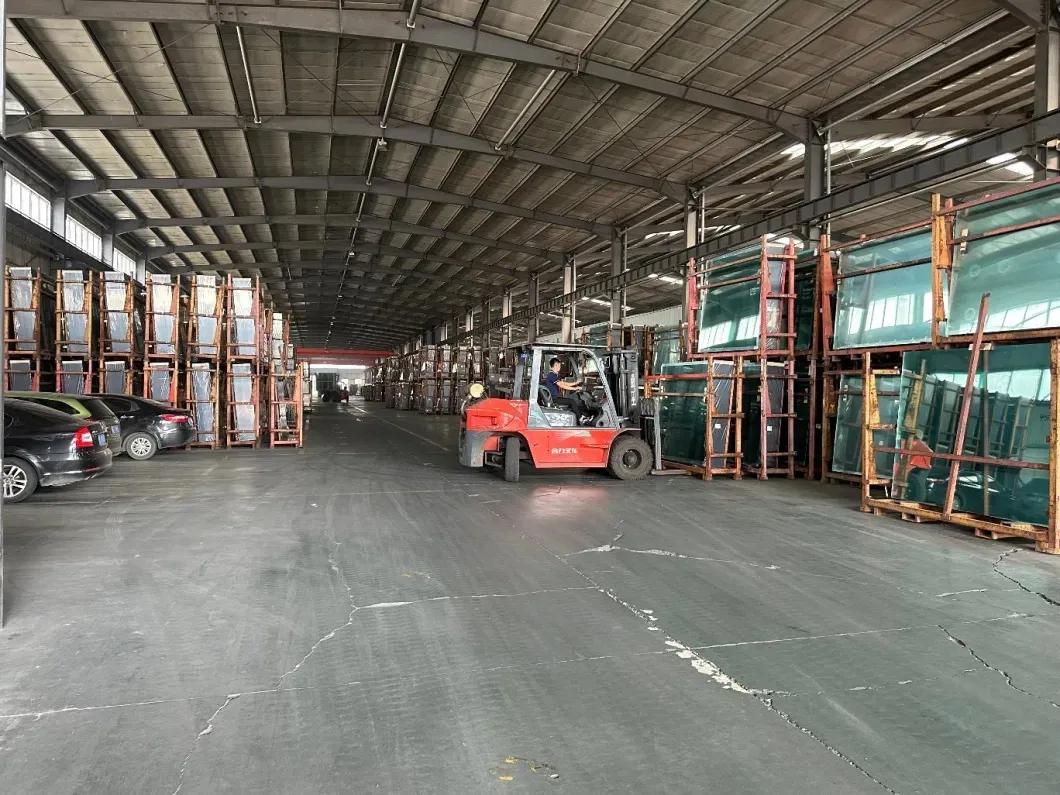
  1. Cutting and printing are processed in parallel machine environments.
  2. Tempering operations are handled by batch machines.
  3. Machine eligibility and setup time are optimized during cutting and printing stages.
  4. The entire system operates under time-of-use electricity pricing for efficiency.
Advanced Machinery 1
Advanced Machinery 2

Packaging & Shipping

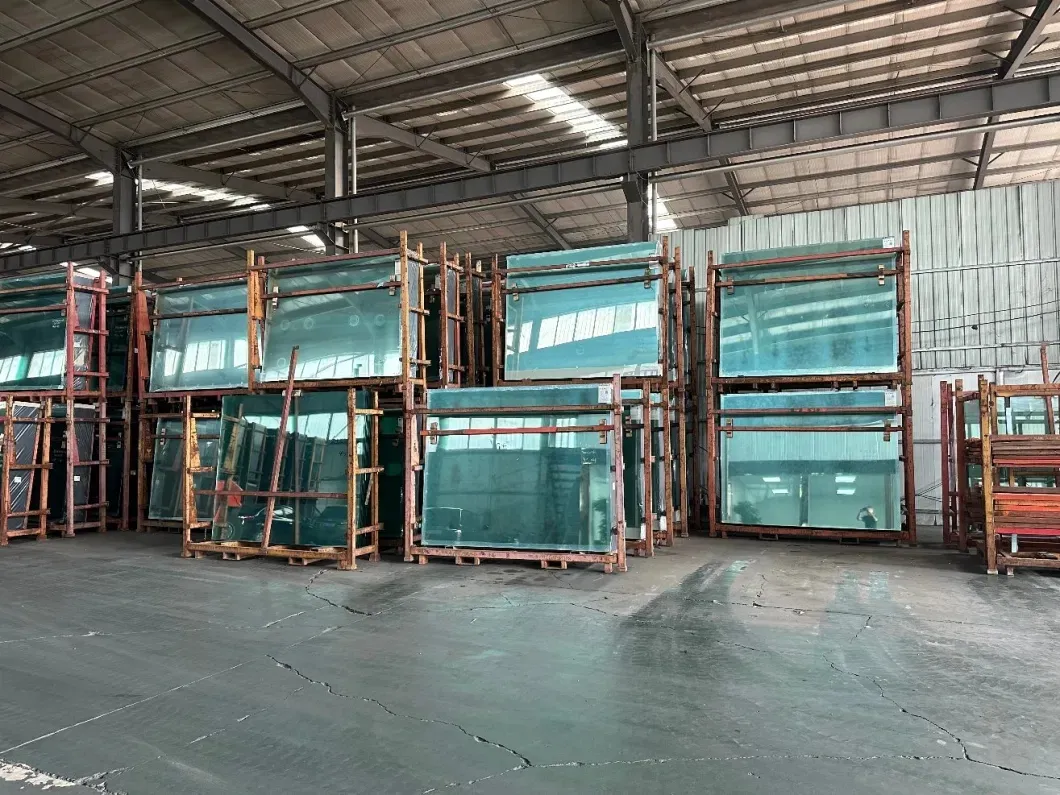
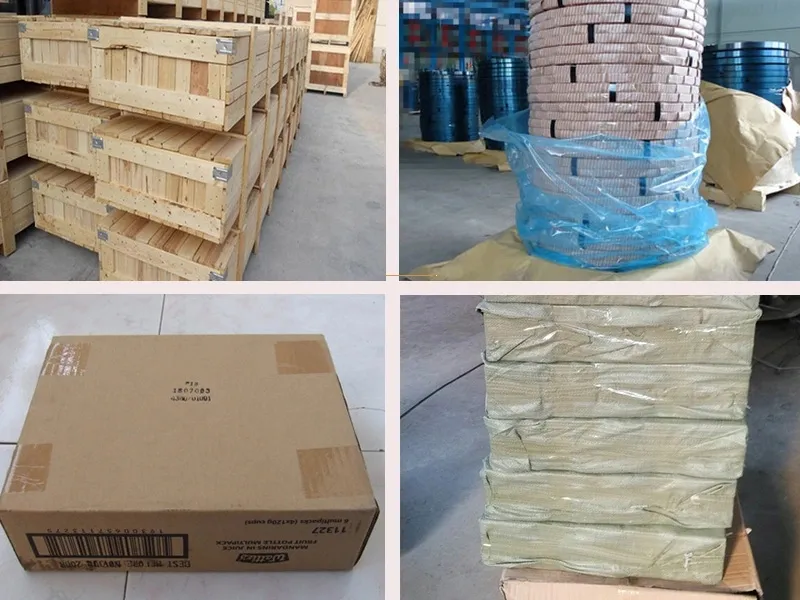
Packing Methods

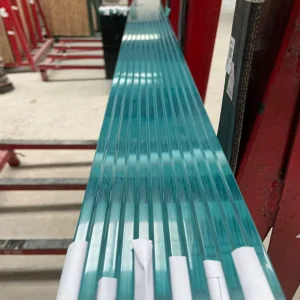
1. Plastic/Paper Interleaving: Placed between two sheets to prevent scratching.

2. Seaworthy Wooden Crates: Strong protection for long-distance ocean transport.

3. Consolidation: Iron or plastic belts are used for maximum stability during transit.
Shipping Container 1
Shipping Container 2

Frequently Asked Questions

What is the main benefit of using laminated glass?
The primary benefit is safety. Unlike standard glass, when laminated glass breaks, the pieces adhere to the internal polymer film, preventing dangerous shards from scattering and causing injury.
How does laminated glass help with noise reduction?
The PVB or SGP interlayer acts as a dampening layer that absorbs sound waves, significantly reducing noise transmission compared to monolithic glass.
Can laminated glass protect against UV rays?
Yes, the interlayer film has a high UV filtering capability, blocking up to 99% of harmful ultraviolet rays, which helps protect skin and prevents furniture from fading.
What are the common types of interlayer films used?
The most common interlayer materials are PVB (Polyvinyl Butyral), SGP (SentryGlas Plus), and EVA (Ethylene-Vinyl Acetate), each offering different levels of strength and clarity.
Is laminated glass heat resistant?
Laminated glass made with tempered sheets can be up to 5 times more heat-resistant than standard glass, withstanding temperatures up to 250 degrees Celsius.
What sizes are available for custom orders?
We support custom sizes ranging from a minimum of 300*500mm up to a maximum of 2440*6000mm to meet specific architectural requirements.

Related Products