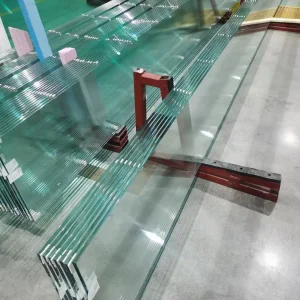
High-performance custom processed glass engineered for luxury building facades, structural thermal insulation, and advanced industrial display screens.
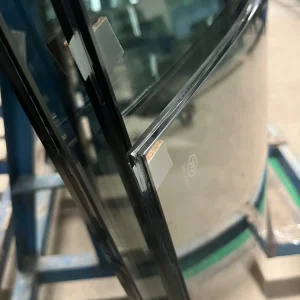
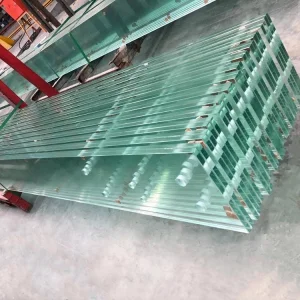
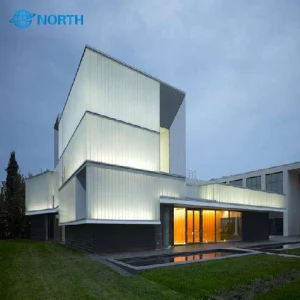
The international architectural and interior design landscape is undergoing a significant paradigm shift. Translucent glass—spanning acid-etched float glass, ceramic frit compositions, and advanced SGP/PVB frosted laminates—has transitioned from a purely decorative acoustic screening component into a critical vehicle for daylight harvesting and energy management. In modern sustainable engineering, balancing natural light penetration with optimal thermal insulation and visual privacy is paramount.
Global commercial markets in North America, the European Union, and rapidly expanding urban centers across Asia-Pacific are demanding highly integrated structural panels. These systems must comply with stringent energy codes such as ASHRAE 90.1 and the European Energy Performance of Buildings Directive (EPBD). Translucent formulations scatter direct sunlight, eliminating harsh glares and hot spots, while maintaining a high Visible Light Transmittance (VLT). This directly reduces a building's internal dependency on artificial lighting systems and optimizes the Solar Heat Gain Coefficient (SHGC) for commercial curtain walls.
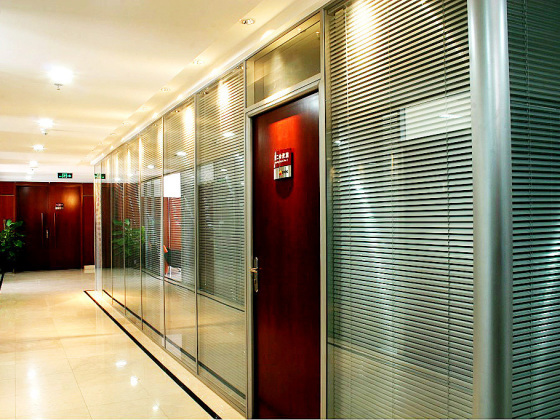
How upstream supply chain integration, advanced thermal tempering technology, and massive technical infrastructure yield incomparable global trade benefits.
Chinese deep-processing glass hubs integrate raw float lines, localized chemical etching facilities, and premium interlayer suppliers within a highly optimized radius. This extreme structural compression minimizes logistical transit overheads and material degradation vulnerabilities.
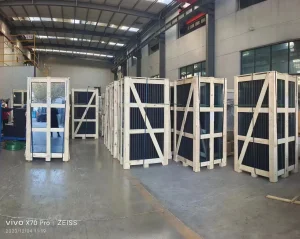
Equipped with computerized high-throughput cutting tables, autonomous CNC edge-polishing fleets, and convection tempering furnaces, modern Chinese facilities maintain dimensional tolerances down to ±0.5mm on multi-layered custom assemblies.
Top-tier manufacturing infrastructures operate in accordance with international testing protocols. Processes strictly comply with SGCC (North America), CE EN14179 (Europe), and AS/NZS 2208 (Oceania) standards to guarantee zero structural field failures.
An Enterprise Architectural Core Study in Structural Integrity, Precision Engineering, and Comprehensive Glass Solutions.
Hebei DotView Glass has provided energy-efficient glass products and complete enclosure solutions for notable landmark buildings such as Longfor Xinyi Street, Longfor Shunshan Mansion, Longfor Chenlinjian, Hongkong Land Yijiang County, Hongkong Land Qiyuan, Chongqing Dianjiang Fortune Center, Liangjiang Xinghui Longsheng, Guiyang High-Speed Rail Bus Building, Guizhou Zunyi Medical College, Yunnan Wenyuan Museum, Chengdu Aerospace City Shangcheng, COLI International Community, COLI Universal Mansion, COLI Ziyu Jiangshan, and Changjiahui.
Headquartered in Hebei, the company operates primarily in Northern and Eastern China. Additionally, leveraging the opportunities provided by the Belt and Road Initiative, Hebei DotView Glass exports its high-quality products to international markets including Thailand, Vietnam, Cambodia, Philippines, Indonesia, Russia, Pakistan, and Kyrgyzstan.
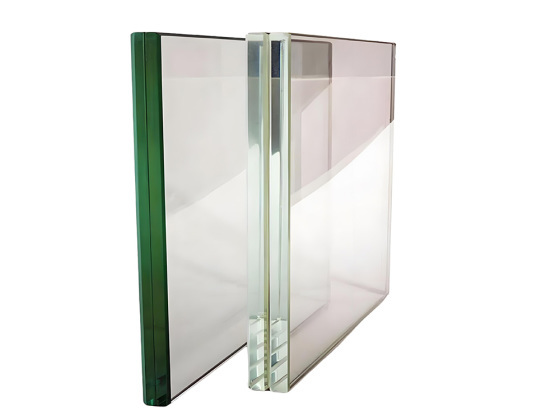
To prioritize employee well-being, foster customer trust, and contribute positively to society.
The company adheres to principles of integrity and pragmatism, aiming for mutual benefits and win-win cooperation to build a prosperous and happy corporate community.
At Hebei DotView Glass, we recognize the critical role each employee plays in the success of the company. Their hard work and dedication not only contribute directly to the company's growth but also help make a positive impact on society. We believe that a happy and motivated workforce is essential for long-term success, as it enables the company to provide excellent service and innovative solutions to its customers.
We firmly believe in providing proactive care to our customers, offering the highest quality products and services. Our commitment is to address customer needs promptly and thoughtfully, ensuring their complete satisfaction. By delivering exceptional service with sincerity and warmth, we aim to build lasting relationships based on trust, loyalty, and mutual respect.
Analyzing deep structural implementation of engineered translucent glass modules across highly demanding civil and industrial domains.
In Tier-1 corporate offices, localized application of acid-frosted laminated panels creates minimalist glass partitioning. These elements deliver acoustic dampening and physical isolation while ensuring corporate suites maintain a contiguous, luminous atmosphere without spatial confinement.
Translucent configurations utilizing ceramic frit non-porous glass surfaces provide pristine hygienic screens for medical units and intensive consultation spaces. They secure strict patient privacy requirements while optimizing diffuse soothing environmental illumination.
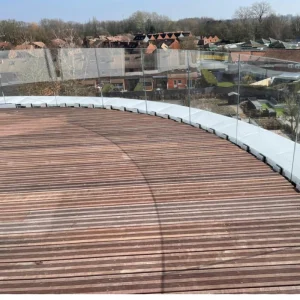
By implementing dual-layered DuPont SGP laminated frosted options, structural external engineers can integrate structural safety glass on multi-tier balconies. These products offer superior post-breakage load-bearing security and complete privacy protection from low-angle municipal sightlines.
The convergence of materials science, environmental data engineering, and automation in structural architectural glass processing.
The forward horizon of high-performance architectural glass processing centers fundamentally on the intelligence and active response of the materials. Traditional static translucent profiles are rapidly evolving into intelligent systems capable of adapting to real-time environmental stimuli. Technologies like Electrochromic polymer-dispersed liquid crystal (PDLC) switchable interlayers allow instantaneous conversion from highly transparent to micro-translucent frosted states via basic automation controllers.
Concurrently, the manufacturing community is directing massive research equity toward low-carbon footprint sputtering lines. Magnetron Sputtered Vacuum Deposition (MSVD) allows deep-processing factories to apply triple-silver Low-E metallic stacks directly onto acid-etched or patterned low-iron float glass substrates. This synthesis achieves an unprecedented technological benchmark: the preservation of maximum diffuse internal lighting alongside a dramatic drop in solar near-infrared transmission. This shift significantly eases the grid cooling demands of massive urban complexes.
Critical engineering metrics for international procurement departments, supply directors, and structural architects evaluating manufacturing facilities.
Procurement frameworks must require automated optical scanning records from tempering furnaces to ensure minimal polarization variations (iridescence) and prevent structural aesthetic discrepancies across exterior building envelopes.
Verify that the factory utilizes strictly regulated temperature-pressure cycles in cleanrooms rated at Class 1000 or better. This prevents micro-delamination, moisture ingress, and perimeter bubbling on SGP/PVB safety units over multi-decade cycles.
Insist on ultra-clear low-iron float substrates with iron content under 120 ppm, combined with systematic Heat Soak Testing (HST) in accordance with EN 14179. This practically eliminates the risk of spontaneous glass explosions triggered by Nickel Sulfide inclusions.
Resolving core technical queries, performance criteria, and structural engineering friction points for architectural planners.
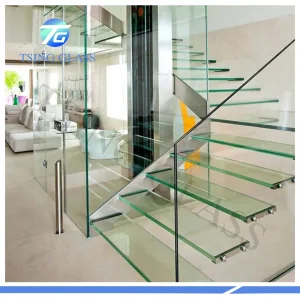
DuPont SentryGlas Plus (SGP) interlayers possess five times the tear strength and up to 100 times the mechanical stiffness of conventional Polyvinyl Butyral (PVB). In structural glass engineering, this allows the laminate to act as a fully unified structural load-bearing unit. SGP laminates retain superior residual strength and stay erect even if both glass plies suffer total fracturing, making them essential for hurricane-rated zones, glass stairs, and structural glass balustrades. PVB is ideal for high-efficiency acoustic attenuation and non-structural safety glass.
High-quality translucent acid-etched glass processes preserve a remarkably high VLT (typically between 75% and 85% depending on glass substrate thickness), but they transform sharp direct sunlight into comfortable, omnidirectional diffuse lighting. While a raw frosted profile offers minimal standalone infrared filtration, integrating it into an Insulated Glass Unit (IGU) containing low-emissivity (Low-E) coatings allows a building envelope to achieve an extremely low SHGC (under 0.25) while maximizing usable indoor daylight.
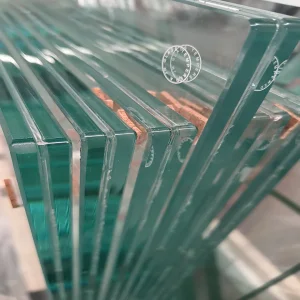
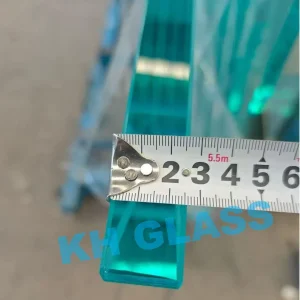
Standard clear float glass contains a high concentration of iron oxide, which introduces a distinct green tint across the surface and edges. When subjected to frosted or acid-etching treatments, this green cast becomes highly pronounced, shifting color rendering and dulling diffuse light quality. Low-iron substrates eliminate this coloration, delivering high-purity, crisp translucent effects that precisely preserve intended architectural color profiles.
Premium factories apply specialized chemical acid-etching solutions that restructure the glass face at a microscopic level, producing a uniform, high-density satin topography. This structural adjustment prevents body oils from settling deep into surface valleys, making the glass exceptionally stain-resistant and easy to clean with standard architectural solvents. This process outperforms low-cost sandblasted alternatives, which remain porous and highly vulnerable to staining.
Comprehensive product lineup detailing structural security glass, high-impact balustrading arrays, and technical solar integration designs.
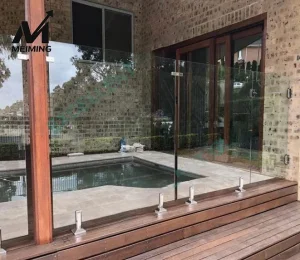
 DotView Glass