Explore our core certified configurations engineered for high-performance envelopes, solar control, blast mitigation, and modern interior partition designs.
The engineering principles governing safety, energy efficiency, and high-performance facades.
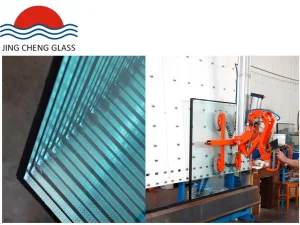
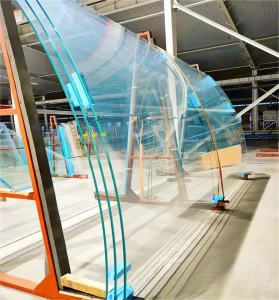
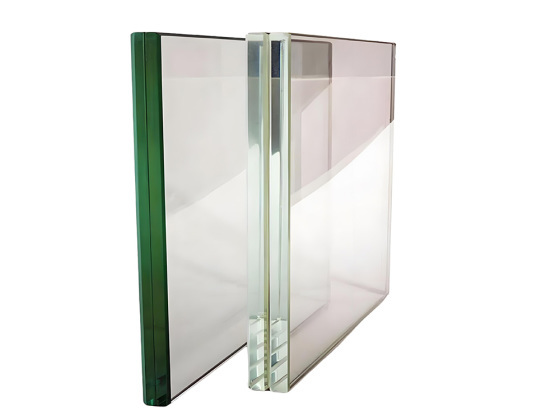
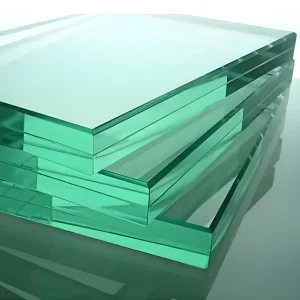
Impact resistant glass is a fundamental component of resilient infrastructure design. Unlike standard float glass, which fractures easily under mechanical loading, impact-resistant configurations combine heat treatments and polymer interlayers to absorb and distribute mechanical energy. The primary methods used to achieve this strength are chemical tempering, thermal tempering, and lamination using Polyvinyl Butyral (PVB) or SentryGlas Plus (SGP) ionomer interlayers.
In high-velocity hurricane zones (HVHZ) and security-sensitive environments, structural glazing must withstand direct missile impacts and subsequent cyclic wind load testing. When subjected to severe loading, the glass layers are designed to fracture, while the high-adhesion interlayer retains the fragments, keeping the building envelope intact to prevent interior pressurization and structural damage.
Established in 2005, a leading provider of architectural safety glass and high-performance energy-saving systems.
Hebei DotView Glass Co., Ltd. has established itself as a leading provider of specialized glass products and solutions. Equipped with advanced domestic glass deep-processing lines and a robust operational management system, we specialize in the research, development, and manufacturing of high-quality architectural safety energy-saving glass and industrial glass. We also offer customized product services to meet the diverse needs of our global clients.
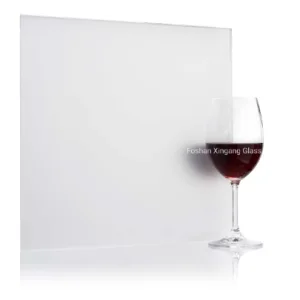
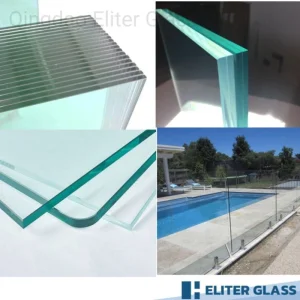
Our core product range includes tempered glass, laminated glass, Low-E insulating glass, fire-resistant glass, built-in Venetian blind insulating glass, and ceramic frit glass. These products are widely specified in high-end curtain walls, doors, windows, and decorative interior configurations, offering optimized thermal and acoustic performance.
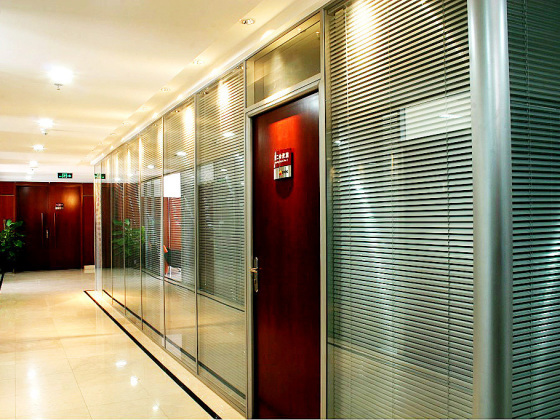
Our engineering expertise is demonstrated by our 50+ core technology patents and the successful completion of over 100 prestigious structural projects. Hebei DotView Glass maintains long-term, stable partnerships with leading global developers, including Longfor Properties, Vanke Properties, Hongkong Land, China Merchants Property, China Overseas Property, CapitalLand, Poly Developments, and Dazheng.
Why international projects rely on China's deep-processing hubs like Hebei.
Our facility in Hebei benefits from direct access to high-quality raw silica, soda ash, and state-of-the-art float lines. This local integration minimizes transport costs and stabilizes lead times.
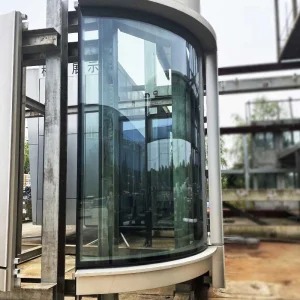
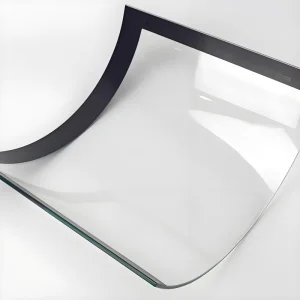
We invest in computerized cutting (Bottero), high-efficiency tempering ovens with flat and bend-forming capabilities, and cleanrooms for defect-free lamination.
Our on-site test labs perform drop-ball impact tests, pommel tests for lamination adhesion, thermal cycling, and optical distortion scanning to ensure alignment with international standards.
Demonstrated architectural reliability across residential, commercial, and public infrastructure developments.
Architects specify impact-resistant glass configurations based on local building codes and structural requirements. In Southeast Asian regions subject to typhoons (including Thailand, Vietnam, Cambodia, the Philippines, and Indonesia), high-performance laminated systems are used to prevent structural damage caused by wind-borne debris.
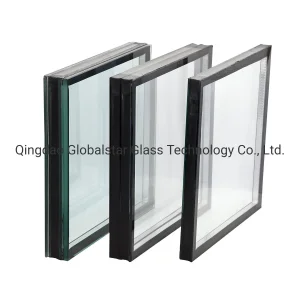
In Northern and Eastern China, as well as in export markets like Russia, Pakistan, and Kyrgyzstan, thermal performance is paired with security requirements. Our triple-glazed insulating Low-E systems provide thermal efficiency while protecting against accidental impacts and intrusion attempts.
Hebei DotView Glass has supplied energy-efficient glass products and custom enclosure solutions for notable landmark buildings, including: Longfor Xinyi Street, Longfor Shunshan Mansion, Longfor Chenlinjian, Hongkong Land Yijiang County, Hongkong Land Qiyuan, Chongqing Dianjiang Fortune Center, Liangjiang Xinghui Longsheng, Guiyang High-Speed Rail Bus Building, Guizhou Zunyi Medical College, Yunnan Wenyuan Museum, Chengdu Aerospace City Shangcheng, COLI International Community, COLI Universal Mansion, COLI Ziyu Jiangshan, and Changjiahui.
The convergence of physical security, thermal efficiency, and dynamic smart glazing.
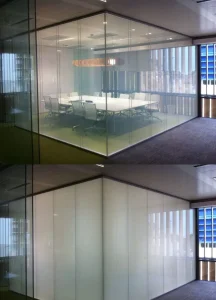
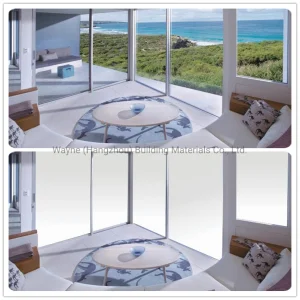
Laminating Polymer Dispersed Liquid Crystal (PDLC) layers between impact-rated sheets creates switchable smart glass. This technology provides dynamic privacy control, UV shielding, and physical protection within a single panel.
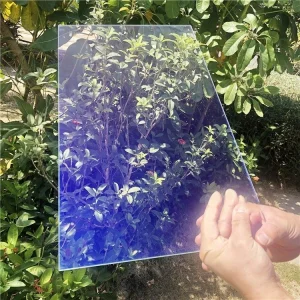
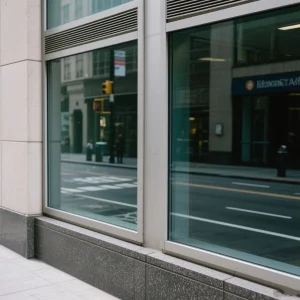
Modern building codes require low solar heat gain coefficients (SHGC). Applying multi-layer silver sputter (soft-coat) Low-E surfaces inside laminated double-glazed units balances solar control and safety requirements.
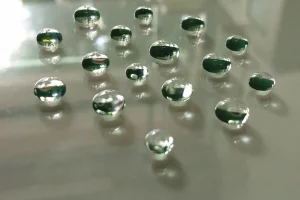
Hydrophilic titanium dioxide coatings utilize UV radiation to decompose organic dirt on exterior facades. Rainwater then spreads evenly across the glass, washing away debris without leaving streaks.
Essential technical guidance for façade engineers, project specifiers, and procurement managers.
A1: SGP (SentryGlas Plus) is an ionomer interlayer that is approximately five times stronger and up to 100 times stiffer than traditional PVB. SGP configurations maintain structural capacity and post-breakage integrity at higher temperatures, making them suitable for point-supported glass systems, balustrades, and structural facades in high-wind regions. PVB is a cost-effective option for standard safety glazing, acoustic insulation, and typical impact requirements.
A2: Our manufacturing processes utilize computerized convection tempering furnaces. These systems regulate heating across the glass surface, reducing common issues like roller wave distortion and edge lift. This ensures that bent and laminated panels conform to strict dimensional tolerances for complex architectural facades.
A3: Specifiers must calculate the design wind pressure (both positive and negative suction forces) according to local standards, such as ASCE 7. The glass configuration must pass missile impact tests (such as ASTM E1996 Level C or D) and withstand thousands of pressure cycles without tearing the interlayer or pulling out of the window frame.
A4: Yes. We can integrate soft-coat Low-E layers into multi-layered insulating glass units (IGUs) that feature a laminated inner pane for impact safety and a fire-resistant outer pane. It is essential to place the Low-E coating on surface #2 or #3 to optimize the solar heat gain coefficient (SHGC) while maintaining the integrity of the safety layers.
Additional processed configurations for specialized building envelopes, touch interfaces, and environmental control.
 DotView Glass