What Is Causing My Insulating Glass to Pop?

Time:2026-11-14 Author:Isabella
0%

A sharp pop from an insulating glass unit can be startling, especially when the room is quiet and the sound seems to come from the window itself. Why is my insulating glass making a popping noise? In many cases, the cause is ordinary movement: sunlight warms one part of the glass, the frame expands, or the temperature drops quickly after sunset. The materials shift by tiny amounts. Sometimes, that movement makes a distinct click or pop.

The sound may be brief. It may happen again. Changes in temperature, glass size, frame material, installation pressure, and shading can all affect how often it occurs. A large window facing direct afternoon sun may behave differently from a shaded bedroom unit. Still, a noise alone cannot confirm that the glass is damaged. Repeated loud pops, visible cracks, a failed seal, or moisture between the panes deserve closer inspection. I would not dismiss those signs just because seasonal movement is common.

Dr. Helen Sanders is a recognized glass-industry specialist, but a direct quotation should be checked against a reliable source before publication. No source text was provided here, so assigning her a quotation would risk putting words in her mouth. A useful editorial summary is: “Temperature changes can make glass and frames move, but persistent noise or visible damage calls for inspection.” That sentence is an original summary, not a verified quotation. It is a small distinction, but an important one.
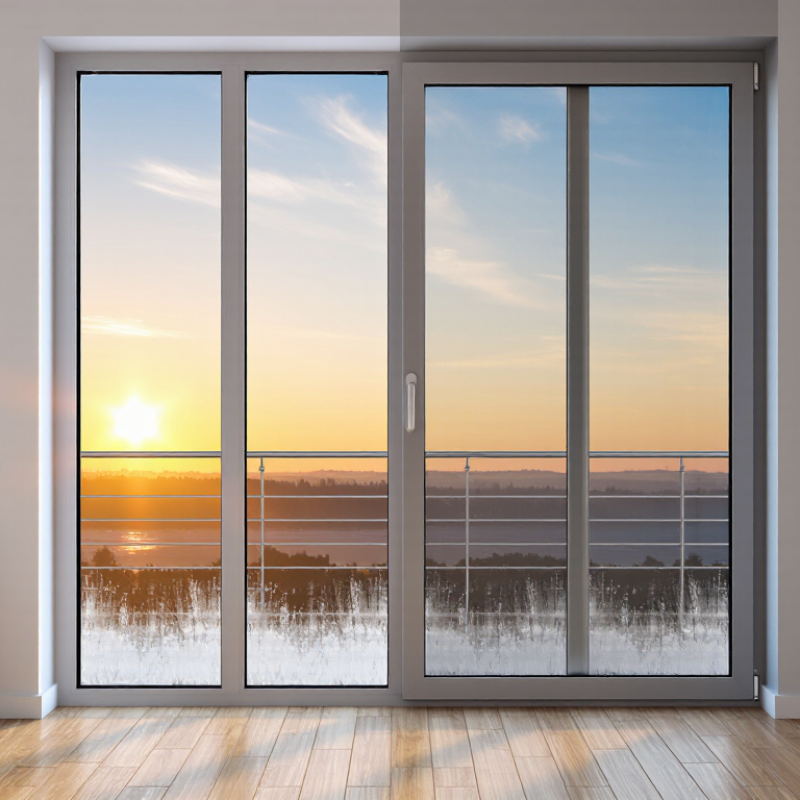
What Is Causing My Insulating Glass to Pop?

What Insulating Glass Is and How Its Sealed Unit Works

An insulating glass unit, often called a sealed unit, holds two panes of glass apart with a narrow spacer. The spacer keeps the panes evenly separated. A perimeter seal joins them and encloses a dry cavity, usually filled with air or an insulating gas. A desiccant inside the spacer absorbs lingering moisture.

That seal matters. It helps limit heat transfer and keeps humid air from entering the cavity. Not a vacuum. The panes, spacer, seal, and frame work together as one assembly.

When sunlight, outdoor temperatures, or air pressure changes, the panes and trapped cavity respond. Glass expands slightly as it warms, while the frame may expand at a different rate. That mismatch can cause a sudden tick or pop as parts shift against gaskets or supports.

Weather and elevation changes can also affect pressure inside the sealed unit. A sound alone does not prove the seal has failed. Still, repeated popping, a visible crack, or moisture between panes deserves inspection by a qualified glazing professional.

I would not assume every noise comes from the glass; loose trim or a moving frame may be the quieter culprit. Without seeing the window, the exact source can be hard to identify.

Common Causes of Popping Sounds in Insulating Glass

What Is Causing My Insulating Glass to Pop?

Common Causes of Popping Sounds in Insulating Glass

A sharp pop often comes from glass or its frame shifting as temperatures change. Sunlight may heat one part of a pane while a shaded edge stays cool, creating uneven expansion. National Glass Association technical guidance puts soda-lime glass’s expansion at about 9 × 10⁻⁶ per °C. Across a one-meter pane, a 30°C change means roughly 0.27 millimeters of movement. Small, but enough to stress tight frame contacts.

Often, the sound is harmless.

Pressure changes can also flex insulating glass units. Weather shifts, indoor temperature changes, and elevation differences affect the pressure sealed between panes. The glass may bow slightly, then settle with a click or pop. Poor setting-block placement or tight glazing clearances can make movement noisier. A sound alone does not confirm seal failure; persistent fogging or visible cracks deserve inspection. ASTM E2190 evaluates insulating-glass durability, including resistance to moisture and fogging, not the cause of every popping noise.

Tips: Note the time, sunlight, and weather when the sound occurs. Check for cracks, condensation between panes, or loose frame parts. Don’t press on the glass. If the popping repeats or the pane shifts, ask a qualified glazing professional to inspect the unit. Even careful observation can miss a hidden frame issue.

How Temperature, Pressure, and Frames Affect the Glass

What Is Causing My Insulating Glass to Pop?

Insulating glass can make a sudden pop when temperatures shift quickly. Sunlight may heat one pane while its shaded edge stays cool. Uneven expansion creates stress across the glass. That can sound sharp. Often, the noise comes from movement rather than a crack, but repeated popping deserves attention.

Pressure also changes the load on a sealed insulating glass unit. Weather swings, indoor heating, and elevation differences can make the panes flex slightly. The frame matters too. A tight frame, warped sash, or hard contact at an edge may restrict normal movement. Then a small shift can release with a pop. It is easy to blame the glass alone, but the frame or installation may contribute. A sound by itself cannot confirm the cause.

Tips: Note when the noise occurs, such as after direct sun or a cold snap. Look for visible cracks, fog between panes, or a loose frame. Don’t press or tap the glass. If popping repeats or you spot damage, ask a qualified glazing professional to inspect the unit and frame.

What Is Causing My Insulating Glass to Pop?

Estimated pressure change in a sealed, fixed-volume insulating glass unit as its gas temperature changes

This idealized estimate uses the ideal gas law, assuming the cavity is sealed, its volume stays fixed, and pressure is 101.3 kPa at 20°C. Real units flex, and outdoor pressure, cavity size, and glazing conditions also affect the pressure difference. Temperature changes can deflect the panes; uneven heating or a frame that restricts movement may add stress and contribute to popping sounds.

How to Distinguish Normal Sounds from Signs of Damage

What Is Causing My Insulating Glass to Pop?

How to Distinguish Normal Sounds from Signs of Damage

A sharp pop from insulating glass can sound alarming, especially at night. One isolated click does not automatically mean the unit is failing. Glass and frames expand or contract as sunlight, heating, and outdoor temperatures change. A shifting frame or trim can make a similar noise. Sound alone is hard to diagnose.

Check the window in daylight. A hairline crack, chipped edge, or line spreading from a corner deserves attention, even if the glass still looks clear. Persistent mist or droplets between panes usually indicate a failed seal; wiping the inside surface will not remove them. Notice whether popping repeats alongside drafts or a sash that suddenly sticks. Those clues matter more than one loud snap. Don’t press the glass to test it.

If there is no visible damage and the sound occurs during temperature changes, note when it happens and which pane is affected. It is tempting to call every pop harmless, but recurring noises deserve a closer look. Frame stress and glass damage can seem similar from indoors. Keep people away from cracked glass and arrange an inspection by a qualified window professional. Safe-distance photos can help track changes.

When to Seek Inspection or Repair

A pop from an insulating glass unit can come from a sudden temperature change, frame movement, or pressure stress. A single quiet tick is not proof of failure. But repeated pops, a new crack, or a visible change deserve attention. Look closely at the glass edges and frame. Is one pane bowing? Is the sash suddenly hard to open? Stop using the window if glass is cracked, and keep people away from the area. Don’t press on the pane to test it.

Seek a qualified window or glazing inspection when popping continues, condensation appears between panes, or the frame looks warped. Moisture trapped between panes often points to a failed seal; wiping the room-side glass will not clear it. The U.S. Department of Energy’s Energy Saver guidance estimates that windows account for about 25–30% of residential heating and cooling energy use, so failed units can affect comfort as well as energy performance. An inspector can check glass stress, setting blocks, frame fit, and seal condition before recommending repair or replacement. Keep a note of when the sound occurs, especially after direct sun or a cold night. It’s not a diagnosis, though. Timestamps and photos can help, but they can’t replace an on-site check.

FAQS

What is an insulating glass unit?

It has two glass panes separated by a narrow spacer. A sealed cavity between them usually contains air or insulating gas. A desiccant absorbs leftover moisture. It is not a vacuum.

Why might my window make a sharp pop?

Sunlight can warm one area of the glass while another stays cool. The glass and frame expand at different rates. Small shifts can make a sudden click. Often, it is harmless.

Can weather changes affect the sound?

Yes. Changes in temperature and air pressure can make the panes flex slightly. They may settle with a pop. Even elevation differences can affect pressure inside the sealed cavity.

Does one popping sound mean the seal has failed?

No. Sound alone cannot confirm seal failure. Loose trim or a moving frame may be responsible. One isolated click is not enough to diagnose the window.

What signs of damage should I look for?

Check for a hairline crack, chipped edge, or a line spreading from a corner. Persistent mist or droplets between panes can indicate a failed seal. Look in daylight.

Can I wipe away moisture between the panes?

Wiping the inside surface will not remove moisture trapped between panes. That kind of fogging deserves inspection. It may indicate that the seal has failed.

What should I do if the popping keeps happening?

Note the time, sunlight, and weather. Check for drafts, loose frame parts, or a sash that sticks. Take photos from a safe distance. Don’t press on the glass.

When should I ask for a professional inspection?

Arrange one if you see a crack, recurring fog, or repeated popping with visible movement. Keep people away from cracked glass. I might misjudge the cause without seeing the window.

Conclusion

Insulating glass is made from two or more panes joined around a sealed space that helps improve thermal and sound insulation. A popping noise can occur as the glass, spacer, seal, and frame respond to changes in temperature and air pressure. Sunlight may warm one part of a window more quickly than another, while pressure differences between the sealed unit and its surroundings can place stress on the panes. The frame can also expand, contract, or shift slightly, contributing to occasional sounds. If you are asking, “Why is my insulating glass making a popping noise?”, these natural movements are often the explanation.

Infrequent, brief pops that occur during changing weather and are not accompanied by visible changes may be normal. However, repeated loud noises, cracks, chips, condensation between panes, or signs that the seal has failed deserve attention. Check the glass and frame for changes, and note when the sounds happen. If the noise persists, damage is visible, or the unit no longer insulates properly, arrange an inspection. A qualified professional can determine whether the cause is ordinary movement, a frame or installation issue, or damage that requires repair or replacement.

Isabella

Isabella

Isabella is a dedicated marketing professional with a sharp focus on driving brand growth and engagement through strategic content creation. With an extensive background in digital marketing, she combines her passion for storytelling with her keen understanding of industry trends to deliver......