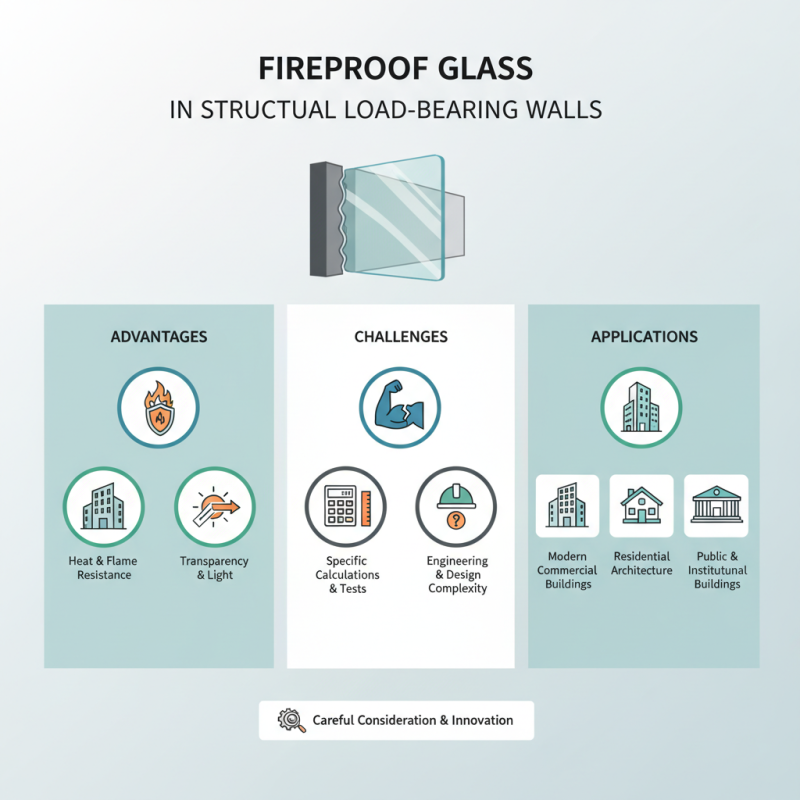
Fireproof glass is gaining attention in modern construction. Its unique properties include resistance to heat and flames. This raises an important question: Can fireproof glass be used as a structural load-bearing wall? Many architects and engineers are exploring this option.
The integration of fireproof glass into structural designs can enhance both safety and aesthetics. Traditional materials often dominate load-bearing applications. However, the potential of fireproof glass could reshape how we think about walls. It promises transparency and light while providing essential fire protection.
Despite its advantages, the use of fireproof glass in load-bearing structures necessitates careful consideration. Engineers must evaluate the glass's strength and durability. Each project may require specific calculations and tests to ensure safety. As we delve into this topic, we will discuss practical applications, advantages, and challenges faced by practitioners in the field.
Fireproof glass has become an essential component in modern construction. Its unique properties make it suitable for structural load-bearing walls. When correctly applied, it enhances safety and meets various building codes. Understanding the standards for fireproof glass is crucial for architects and builders.
The main characteristic of fireproof glass is its ability to withstand high temperatures. This feature is defined by various standards, including ASTM E119 and EN 13501. These benchmarks ensure that the glass can provide adequate fire resistance for designated timeframes. In structural applications, the glass must also support weight, adding complexity to its use in walls.
Tips: When selecting fireproof glass, consider local building regulations. Always check the list of approved materials. Proper installation is key; ensure the glass is fitted correctly for optimal performance. Regularly inspect the glass for any signs of damage or stress. This helps maintain safety and structural integrity.
When considering fireproof glass for structural load-bearing walls, it's essential to choose the right type. There are several varieties available, each with distinct properties. Laminated fireproof glass is popular for its strength and safety. This type consists of layers that can withstand high temperatures. It also offers sound insulation, making it suitable for various applications.
Another option is tempered fireproof glass. This glass undergoes a special heating process that increases its durability. It can resist thermal shock, and its strength helps prevent shattering upon impact. However, it may not be as effective in certain fire scenarios compared to laminated varieties. Thus, understanding the conditions of your project is vital.
Moreover, it's crucial to consider the installation process. Improperly installed fireproof glass can compromise safety. Always consult professionals to ensure compliance with safety standards. Evaluating your building's design and purpose will help you choose the most effective glass. Balancing aesthetics with functionality is essential, yet sometimes challenging to achieve.
| Type of Fireproof Glass | Fire Rating | Thickness | Recommended Applications |
|---|---|---|---|
| Ceramic Glass | Up to 60 minutes | 4-10 mm | Fire-rated windows, facades |
| Laminated Fire-resistant Glass | Up to 120 minutes | 6-20 mm | Interior and exterior walls, doors |
| Wire Glass | Up to 45 minutes | 6-12 mm | Partitions, doors |
| Intumescent Glass | Up to 120 minutes | 6-15 mm | Curtain walls, skylights |
| Fire-Resistant Transparent Insulating Glass | Up to 60 minutes | 20-30 mm | Large glass facades, energy-efficient walls |
Integrating fireproof glass into structural load-bearing walls requires careful design. It is essential to ensure the glass can handle the weight and force without compromising safety. The thickness of the glass is vital, as thicker glass panels offer more strength. However, this can also add to the overall wall weight, so considerations must balance integrity and load capacity.
Additionally, framing design plays a crucial role in supporting fireproof glass panels. The frame must be sturdy and appropriately anchored. Using materials that complement fire resistance in the frame is wise, such as steel or treated wood. These choices support both functionality and aesthetics.
Thermal expansion is another critical aspect to consider. Fireproof glass may expand when exposed to heat. Proper spacing and installation techniques must account for this expansion to prevent cracks or structural failures. Regular evaluations of the installation are advisable to ensure the integrity of both the glass and the wall. Engaging with experienced professionals during the design phase can prevent future challenges. Designing walls with fireproof glass mandates a focus on both safety and functionality.
Fireproof glass serves an essential role in structural load-bearing walls. Its ability to resist high temperatures ensures safety during fire incidents. A recent industry report highlights that modern fireproof glass can withstand temperatures exceeding 1,000 degrees Fahrenheit for extended periods. This characteristic is crucial, especially in commercial and high-rise buildings.
Evaluating the load-bearing capacity of fireproof glass involves understanding its structural limits. The American Society for Testing and Materials (ASTM) outlines rigorous testing methods. These methods assess how well fireproof glass can function under stress and heat. For instance, certain fire-rated glasses can maintain their integrity under significant loads, though precise performance varies. Manufacturers must validate their claims through third-party testing for reliability.
Nevertheless, challenges persist. The weight of fireproof glass can impact installation processes. Ensuring proper support is crucial to prevent sagging or breakage. Additionally, the cost of high-grade fireproof glass raises budget considerations for projects. Balancing safety, aesthetics, and costs requires careful planning and evaluation in any building design.
Fireproof glass is essential for safety in structural load-bearing walls. Its installation requires meticulous attention to detail. Start by preparing the opening where the glass will be placed. Ensure the surface is even and free of debris. Use a level to confirm alignment. If the frame is not square, adjustments are necessary. This step is critical for the glass to fit appropriately and maintain its fire-resistance rating.
When securing the fireproof glass, use suitable adhesives and sealants. Apply them evenly along the edges to eliminate risks of gaps. These gaps can compromise fire safety. During installation, it's important to maintain proper spacing for thermal expansion. This could prevent cracking over time. Regular inspections after installation can identify issues early. They help maintain the integrity of the wall. Some may overlook routine checks, which could lead to significant problems later.
While fireproof glass offers high protection, its installation can sometimes be challenging. Experience matters here. Seek guidance from experts if you're uncertain. This ensures safety and compliance with building codes. Proper installation is not just about following steps; it’s about continuous learning and adaptation. Each project may reveal new insights or adjustments needed.
: Fireproof glass is designed to withstand high temperatures and enhance safety in construction.
Standards ensure adequate fire resistance and safety for buildings, guiding architects and builders in their projects.
Laminated and tempered are common types, each with unique properties for different applications.
Laminated glass consists of layers that can resist high temperatures and provide sound insulation.
Tempered glass undergoes heating to improve durability and resist thermal shock, making it less likely to shatter.
Improper installation may compromise safety, making professional consultation necessary for compliance with standards.
Regular inspections for damage or stress are vital to ensure safety and structural integrity.
Consider local building regulations and the specific conditions of your project for optimal selection.
Yes, achieving this balance can be challenging and requires careful evaluation of design and purpose.
Yes, improper selection or installation can lead to safety risks, necessitating thorough planning and evaluation.
Fireproof glass has gained attention in modern construction due to its ability to withstand high temperatures while providing visibility and aesthetic appeal. To answer the question, "Can fireproof glass be used as a structural load-bearing wall?", it's essential to understand the properties and standards that govern its use in construction. Various types of fireproof glass are suitable for incorporating into structural load-bearing walls, provided they meet specific design and performance criteria.
When integrating fireproof glass into these walls, careful consideration must be given to the load-bearing capacity and structural integrity. Evaluating the capabilities of fireproof glass in structural applications involves testing its resistance to both physical loads and fire exposure. Furthermore, following proper installation techniques and best practices is crucial to ensure safety and functionality, allowing architects and engineers to effectively utilize fireproof glass in innovative ways within load-bearing frameworks.

DotView Glass