Latest Trends in Architectural Glass Design for 2026?

Time:2026-07-09 Author:Amelia
0%

The architectural landscape is evolving rapidly. As we approach 2026, the question arises: What are the latest trends in architectural glass design for 2026? Leading expert Dr. Sarah Anderson, a renowned architect in sustainable design, emphasizes the importance of innovation. She states, "Glass is not just a material; it's a means to connect people with their environment."

In this context, transparency and light are at the forefront. New technologies allow glass to change properties, enhancing energy efficiency. Smart glass can adjust its tint in response to sunlight, creating comfortable interiors. These advancements reflect a growing commitment to sustainability. However, the integration of such technologies poses challenges in design and practicality.

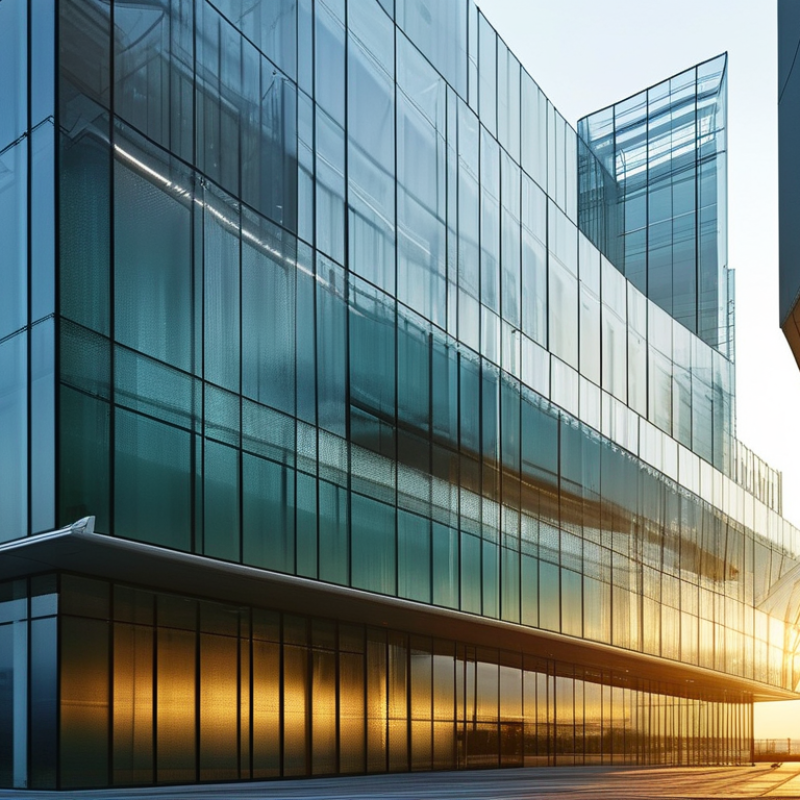
Another trend lies in the use of textured glass. This adds depth and character to buildings. It enables architects to play with light, casting intriguing shadows and reflections. Despite these exciting possibilities, there is a constant need for balance. Designers must ensure form does not compromise function. As we look toward 2026, the architectural glass landscape will surely invite further exploration and innovation.
Latest Trends in Architectural Glass Design for 2026?

Recent Innovations in Architectural Glass Materials and Technologies

Architectural glass design is evolving rapidly. Recent innovations focus on sustainability and performance. For instance, a report from the Glass Association indicates that energy-efficient glass can reduce heating and cooling costs by up to 30%. Such advancements cater to eco-conscious designers and builders.

New materials are also changing the landscape. Self-cleaning glass, incorporating nanotechnology, is gaining traction. It uses photocatalytic coatings to break down dirt. This innovation not only maintains aesthetics but also lowers maintenance costs. Despite these benefits, some industry experts caution that long-term performance remains to be fully assessed.

Smart glass technology is on the rise as well. Electrochromic glass can change its tint based on light conditions. Studies suggest that this can enhance interior comfort and save energy. However, the high initial cost may deter some projects. Overall, while architectural glass continues to impress, challenges regarding cost and long-term durability deserve attention.

Sustainable Design Approaches with Architectural Glass for 2026

In recent years, architectural glass has evolved significantly, particularly in sustainable design. By 2026, a growing emphasis on eco-friendly materials will reshape the industry. According to the International Glass Association, even now, sustainable glass accounts for nearly 30% of the market. This trend is set to rise as more architects prioritize environmental impact.

Recycled glass is becoming a popular choice. It reduces waste and energy use. Studies indicate that using recycled materials can cut production energy by up to 50%. Smart glazing technologies also contribute to sustainability. These products regulate temperature, minimizing energy costs while enhancing occupant comfort.

However, challenges remain. The initial costs of sustainable glass can deter some projects. Architects must balance aesthetic and ecological needs. Transparent materials should not compromise energy efficiency. Future designs must strive for better integration of performance and beauty. This ongoing dialogue will be crucial for evolving architecture.

Emerging Aesthetic Trends in Architectural Glass Applications

Architectural glass design is rapidly evolving. In 2026, several emerging aesthetic trends are reshaping this field. More architects are exploring textured glass to create dynamic surfaces. This technique adds depth and character to buildings. It helps distinguish spaces, enhancing user experience. Different light conditions interact uniquely with textured surfaces, creating ever-changing visuals.

Color plays a vital role in architectural glass. Iridescent coatings are gaining popularity. They provide a vibrant spectrum that changes throughout the day. This shift transforms buildings into art pieces. Transparent and translucent glass are utilized more in designs. This allows natural light to flood interiors, reducing energy use. However, achieving the right balance between privacy and openness can be challenging.

Tips: Explore local regulations about glass installations. Considering climate factors is essential for performance. Collaborate with designers to ensure aesthetic goals align with functionality. Test samples to visualize the potential outcome before finalizing designs. Reflect on these elements to create innovative spaces that resonate with users.

Latest Trends in Architectural Glass Design for 2026

Integration of Smart Glass Solutions in Modern Architecture

The integration of smart glass solutions is shaping the landscape of modern architecture. This technology allows for dynamic control of light and privacy. Imagine glass that adjusts its tint based on sunlight intensity, enhancing energy efficiency. Smart glass can significantly reduce the need for artificial lighting, making spaces feel more inviting.

Tips: Consider using smart glass in areas where sunlight is overwhelming. It creates a more comfortable atmosphere. Explore options that can be integrated into various structures, from residential homes to commercial buildings.

Architects are beginning to realize the potential of this technology. However, the high costs and installation complexity can be challenges. It's critical to weigh the benefits against these factors. Smart glass is also an investment in sustainability. This dual promise of beauty and functionality attracts many designers.

Tips: Research local experts for installation advice. Their experience can help navigate the complexities. Keeping an eye on the evolving trends in smart glass can aid in making informed decisions for future projects.

Impact of Architectural Glass on Energy Efficiency and Building Performance

Architectural glass is revolutionizing energy efficiency in building designs. Reports indicate that glass facades can reduce energy consumption by up to 30%. This significant reduction is achieved through advancements in low-emissivity (low-E) coatings and tinted glass. These technologies decrease heat transfer while allowing natural light to penetrate building interiors. With a well-designed glass façade, architects can achieve optimal daylighting— enhancing both comfort and productivity.

However, the integration of large glass surfaces poses challenges. While modern designs prioritize aesthetics, they may overlook thermal performance. If not correctly implemented, extensive glass usage can lead to excessive heat gain and glare. Some studies reveal that buildings with improper glass design experience increased energy costs by up to 15%. This signifies the need for holistic approaches in architectural planning, considering both form and function.

Moreover, a focus on sustainable materials can drive future trends. Biodegradable films and enhanced insulation techniques are gaining traction. These innovations not only boost energy efficiency but also minimize lifecycle impacts. As the industry evolves, continuous research is essential. Understanding the balance between design appeal and energy performance is critical. Future architects must navigate these complexities to create functional and beautiful buildings.

FAQS

: What are the benefits of energy-efficient glass?

: Energy-efficient glass can reduce heating and cooling costs by up to 30%. It helps in making buildings sustainable.

How does self-cleaning glass work?

Self-cleaning glass uses nanotechnology. Photocatalytic coatings break down dirt for lower maintenance costs and better aesthetics.

What is smart glass technology?

Smart glass can change its tint based on light conditions. This feature can enhance comfort and potentially save energy.

Are there any downsides to using smart glass?

The initial cost of smart glass is high. This may deter some projects despite its long-term benefits.

What are the emerging trends in architectural glass?

Textured glass is trending for unique surfaces. Iridescent coatings provide vibrant color changes, making buildings visually dynamic.

How can natural light impact building designs?

Transparent and translucent glass allows natural light in. This can reduce energy use, but balancing privacy with openness is tricky.

What challenges come with large glass surfaces?

Expansive glass can cause excessive heat gain and glare if not designed well. This may increase energy costs by up to 15%.

Why is sustainable material important in glass design?

Sustainable materials like biodegradable films improve energy efficiency. They also minimize lifecycle impacts, driving future design trends.

What should be considered when installing glass?

Local regulations and climate factors should be explored. Collaboration with designers ensures aesthetic and functional goals are met.

How can architects enhance building performance with glass?

Understanding the balance between aesthetics and energy performance is crucial. Architects must implement holistic approaches during planning.

Conclusion

In exploring what are the latest trends in architectural glass design for 2026, we witness a significant shift towards innovative materials and technologies that enhance both aesthetics and functionality. Recent advancements allow for more versatile applications of architectural glass, incorporating sustainable design principles that optimize energy efficiency and minimize environmental impact.

Emerging trends emphasize the integration of smart glass solutions, enabling buildings to adapt to varying lighting and temperature conditions, thus improving overall energy performance. Additionally, aesthetic trends are evolving, focusing on unique textures and finishes that complement modern architectural styles. As architectural glass continues to play a pivotal role in contemporary design, the emphasis on sustainability and technology will shape its influence on future developments in the industry.

Amelia

Amelia

Amelia is a seasoned marketing professional with a wealth of expertise in our company’s core offerings. With an unwavering passion for driving growth and innovation, she plays a pivotal role in shaping our marketing strategies and enhancing brand visibility. A key aspect of her responsibilities......