The 139th Canton Fair is set to showcase the latest innovations in various sectors. Among these is the spotlight on Spherical Curved Glass, which is gaining significant traction in architectural and automotive design. Reports indicate that the global Spherical Glass market is expected to grow at a CAGR of 7% from 2021 to 2026, driven by rising demands for aesthetic and functional glass solutions.
At the fair, attendees will discover state-of-the-art products featuring advanced sustainability features. The integration of AI tools will allow buyers to navigate over 1.5 million square meters of exhibition space efficiently. This innovation will enable quick access to qualified suppliers who adhere to international standards like ISO and CE certification. Yet, challenges remain. Some manufacturers struggle to meet the rapidly changing demands of the market, resulting in quality inconsistencies.
As industry leaders gather, the conversation around Spherical Curved Glass will be critical. It represents a fusion of style and utility, yet the path to widespread adoption is not without obstacles. Companies must overcome production challenges to ensure quality while pushing the boundaries of design.
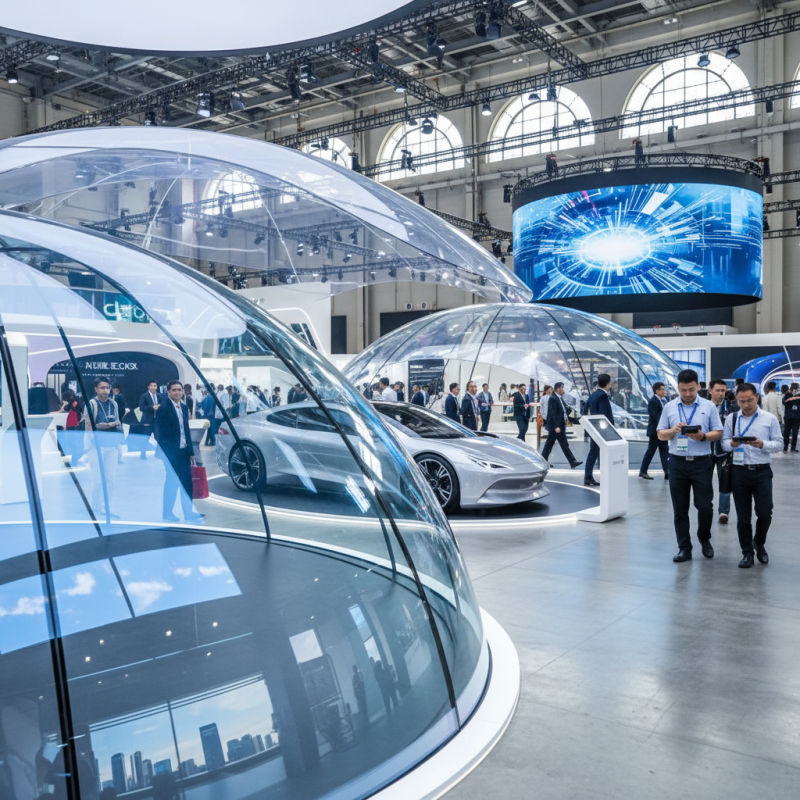
At the 139th Canton Fair, spherical curved glass showcased a range of innovative designs. Many exhibitors presented pieces that merge functionality with art. Curved glass panels adorned with intricate patterns caught the eyes of attendees. These designs are not just beautiful but also cater to modern architectural needs.
One striking trend was the emphasis on sustainability. Many designs utilized eco-friendly materials, reflecting a commitment to the environment. However, some visitors noted that while aesthetics were impressive, the practicality of these elements sometimes felt overlooked. The balance between design and function appears challenging.
Additionally, the color palettes in this year's displays were diverse. From vibrant hues to muted tones, options catered to various tastes. Yet, some designs could benefit from deeper exploration of color theory. More experimentation could lead to even more captivating results. This year's showcase highlighted the importance of innovation, but also called for reflection on its practicality and environmental impact.
At the 139th Canton Fair, a spotlight shone on innovations in coatings and treatments for spherical curved glass. The industry is experiencing a pivotal shift. The growing demand for durability is evident, with a projected market value of over $15 billion by 2025. This significant leap stems from advancements in technology that enhance glass resilience against weather elements.
Recent reports indicate that coatings with anti-scratch and anti-fog properties are gaining traction. These coatings not only improve longevity but also maintain clarity. They are crucial in reducing maintenance costs. As architects and designers prioritize aesthetics and functionality, these innovations align perfectly with market needs. The challenge is that not all treatments achieve the desired results. Some products may fall short, demonstrating the need for rigorous testing.
Market analysts highlight that consumer awareness is growing. More buyers are considering the longevity of curved glass in projects. This creates pressure for manufacturers to keep up. They must balance innovation with reliability. The current trends suggest that while there are advancements, the path to perfecting these treatments is still under reflection. The quest for the ideal blend of durability and clarity in spherical glass continues.
The demand for spherical curved glass products continues to grow. Recent reports show an annual growth rate of 7.3% in this market. This rise is driven by architectural and automotive industries, where aesthetics and functionality matter most.
Innovation in manufacturing techniques is essential. Automated processes are becoming more common, enhancing precision and reducing waste. However, some manufacturers still struggle with quality control, leading to inconsistencies. It is crucial for businesses to invest in advanced technologies to maintain a competitive edge.
**Tip:** Stay updated with market trends. Regularly analyzing industry reports can provide valuable insights into emerging opportunities.
Consumer trends also play a role. The move toward sustainable materials is significant. Products made with eco-friendly practices are gaining attention. Yet, many businesses are not fully committed to sustainability. This gap presents a chance to innovate and capture a broader audience.
**Tip:** Engage with customers. Their preferences shape the future of spherical curved glass products. Regular feedback can guide product development and marketing strategies.
| Dimension | Market Demand (2023) | Growth Rate (%) | Usage Applications |
|---|---|---|---|
| Small (1-3m Radius) | 15000 units | 10% | Furniture, Decorative Items |
| Medium (3-6m Radius) | 12000 units | 8% | Architectural Glass, Facades |
| Large (6-10m Radius) | 7000 units | 5% | Vehicle Windows, Display Cases |
| Custom Shapes | 5000 units | 15% | Art Installations, Signage |
Sustainable manufacturing is gaining traction in the glass industry. At the 139th Canton Fair, visitors noted innovative approaches. Manufacturers are focusing on eco-friendly materials and efficient production methods.
Recycling is a key trend. More companies are using recycled glass. This reduces waste significantly. The process of recycling also consumes less energy than producing new glass. It’s a win-win for both the environment and manufacturers.
Tips: Consider adopting local sourcing practices. This can minimize carbon footprints. Also, evaluate processes regularly to identify wasteful steps. Small changes can lead to significant improvements.
Energy-efficient technologies are being implemented, too. These include smarter equipment and renewable energy sources. While progress is evident, challenges remain. Not every factory is ready to invest in these technologies. It takes time and resources. Reflection is needed in tackling these issues.
Sustainability is a journey, not a destination. Manufacturers must keep pushing for innovation. Balancing efficiency with environmental responsibility is crucial. The road may be tough, but the potential rewards are great.
Spherical curved glass is making waves in architecture and interior design. Its unique aesthetics and functionality are transforming spaces. According to a recent report by the Architectural Glass Association, the global market for curved glass is projected to reach $30 billion by 2025. This growth is driven by increasing demand for innovative design solutions.
In modern architecture, spherical curved glass is often used for facades and skylights. These elements not only enhance visual appeal but also improve natural light flow. For instance, a study from the National Institute of Architecture found that buildings with curved glass can reduce energy consumption by up to 15%. However, challenges remain. Fabrication and installation can be complex, often requiring specialized skills.
Interior spaces are also benefiting from this trend. Designers are using curved glass for partitions and decorative features. This creates an open feel while maintaining privacy. However, the cost of such installations can be prohibitive for some projects. Balancing aesthetics with budget constraints is crucial. The future of spherical curved glass in design seems promising, but it requires careful consideration and innovation.
: The fair highlighted innovative designs in spherical curved glass, merging functionality and art.
Many designs utilized eco-friendly materials, indicating a commitment to sustainability.
Some attendees felt that functionality was sometimes overlooked in favor of impressive aesthetics.
The displays featured a variety of color palettes, from vibrant hues to muted tones.
A deeper exploration of color theory could enhance the visual impact of the designs.
The use of recycled glass is gaining popularity, reducing waste and energy consumption.
Adopting local sourcing practices is a suggested way to minimize carbon footprints.
Energy-efficient technologies and renewable energy sources are increasingly used in production.
Not every factory has the resources or willingness to invest in energy-efficient technologies.
Sustainability requires ongoing innovation and a balance between efficiency and environmental responsibility.
The 139th Canton Fair showcased numerous emerging designs in Spherical Curved Glass, highlighting its growing popularity in various applications. Innovations in coatings and treatments have enhanced the durability of these glass products, catering to the increasing market demand reflected in recent growth statistics. Spherical Curved Glass is becoming a preferred choice in architecture and interior design, offering aesthetic appeal and structural versatility.
Additionally, the fair emphasized sustainable manufacturing trends within the glass industry, focusing on eco-friendly practices and materials. As the demand for Spherical Curved Glass continues to rise, the integration of cutting-edge technologies and sustainable methods is expected to shape its future, making it a significant component in modern design solutions.

DotView Glass