Do you ever hear strange noises from your windows? This question plagues many homeowners: "Why is my insulating glass making a popping noise?" According to industry experts, insulating glass units are designed for energy efficiency and comfort. However, they can sometimes exhibit unsettling sounds.
Research indicates that around 10% of homeowners experience such annoyances. The popping noise often stems from temperature changes. Glass expands and contracts with heat fluctuations. This natural response can lead to stress in the glass seals. Furthermore, the quality of the materials used plays a significant role. A study by the National Glass Association highlights that inferior seals are more prone to these issues.
Addressing the popping sound is crucial for maintaining the integrity of your home's insulation. Homeowners may feel alarmed, but it's important to analyze the situation carefully. Sometimes, these noises signal deeper issues that could impact energy efficiency or safety. Recognizing this helps in taking timely action. Understanding your windows better can lead to greater peace of mind.
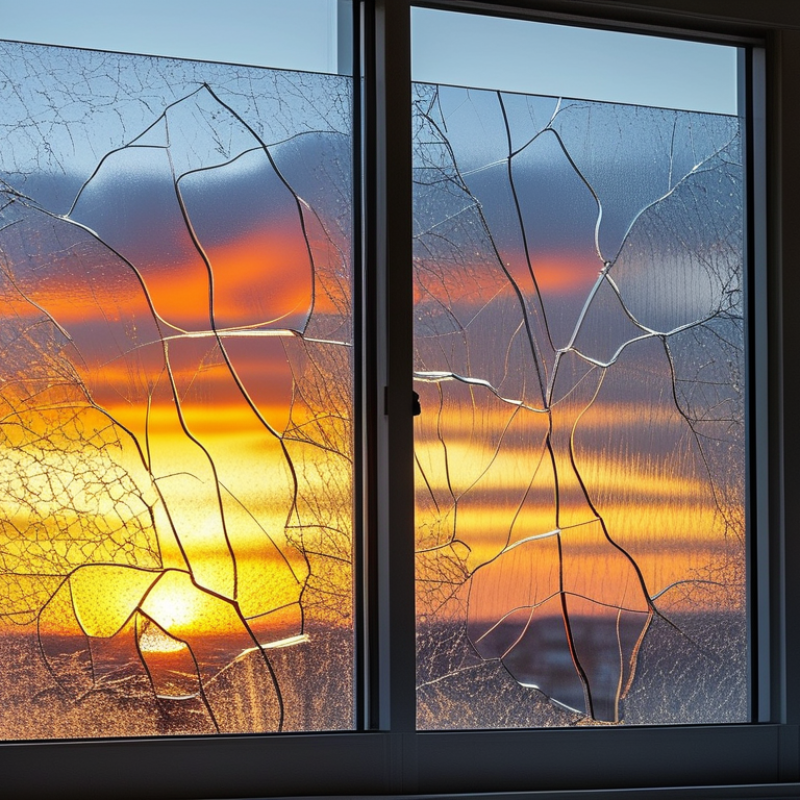
Common Causes of Popping Noises in Insulating Glass Units
Popping noises in insulating glass units can be annoying and concerning. These sounds often stem from temperature fluctuations. When glass expands or contracts, it can create stress. This stress sometimes leads to small cracks or other issues. According to industry reports, nearly 30% of homeowners experience this problem within the first five years of installation.
Another common cause involves the spacer bars used in insulated glass. These bars can become dislodged or damaged over time, especially if moisture intrusion occurs. A study showed that about 25% of insulated glass failures are linked to spacer bar issues. Inadequate sealing can further exacerbate this, allowing more air and moisture to enter. Regular maintenance and inspections can help identify these problems early.
In some cases, the noise is not related to the glass at all. It may come from the surrounding frame or building structure. House settling or shifting can cause this. As homes age, the materials can loosen or warp, creating unexpected sounds. Understanding these various factors is essential for diagnosing and resolving the issue effectively.
Thermal Expansion and Contraction Effects on Glass
Thermal expansion and contraction can significantly impact insulating glass systems. When temperature fluctuates, glass expands or contracts at different rates. This disparity creates internal stress. Over time, these stresses can lead to popping noise, which many homeowners find concerning.
Industry reports indicate that glass can expand nearly 1/8 inch for every 10-foot length per 100°F change. In regions with extreme temperature variations, the risks increase. Even subtle changes may cause noticeable effects. High-quality insulating glass is designed to withstand some stress. However, persistent popping sounds often signal a need for inspection.
Failing to address these noises can lead to larger issues. Poor installation or aging frames might exacerbate the problem. Homeowners should consider that these popping noises aren't always trivial. They may indicate that the insulating efficiency is compromised. Understanding these effects helps in maintaining both the aesthetics and functionality of windows.
Pressure Changes and Their Impact on Insulating Glass
Insulating glass units (IGUs) can produce
popping noises due to pressure changes.
These changes can happen due to temperature shifts or
humidity variations. According to the U.S. Department of Energy, about 90% of residential glass failures
stem from thermal stress. This stress leads to sudden internal pressure variations, which may manifest as
audible pops.
When temperatures fluctuate, the gases sealed within the glass expand and contract. A
report by the Glass Association states that this movement can trigger the glass to flex.
In some cases, it may create a vacuum. Such conditions can cause the seals to weaken, increasing the chances of
failure. Homeowners often notice these sounds during extreme weather changes. While it is normal for IGUs
to make some noise, frequent popping could indicate an underlying issue.
Monitoring the condition of insulating glass is essential. Regular inspections can prevent
more significant problems down the line. Ensure that the seals are intact and the frame is properly aligned.
These actions not only enhance longevity but also maintain energy efficiency. A focus on upkeep allows for
a better understanding of when to seek professional help.
Improper Installation Leading to Glass Distortion
Improper installation is a common issue that can affect insulating glass. When glass is not fitted correctly, it may distort over time. This distortion creates tension within the glass panes. As a result, you might hear popping noises, which is often alarming.
The alignment of the insulating glass matters greatly. If frames are not square or if the seals are improperly applied, the pressure builds. Windows might expand and contract due to temperature changes, adding to the stress. A small installation error can lead to significant long-term problems. Even slight misalignments can cause glass to experience stress points.
Listening to popping noises is crucial. It could signal deeper issues tied to installation. Regular maintenance and checks can help. If your windows don't look straight or function well, reevaluating the installation process is smart. Engaging a knowledgeable professional can save both time and money in the long run. Addressing installation errors promptly can prevent further damage and extend the life of your insulating glass.
Top 10 Reasons Why Is My Insulating Glass Popping Noise?
Aging Sealants and Their Role in Popping Noises
Aging sealants play a significant role in the popping noises associated with insulating glass. Over time, sealants can degrade due to environmental factors. Extreme temperatures, humidity, and UV exposure affect their integrity. A recent report from the National Fenestration Rating Council indicates that up to 30% of insulating glass units may experience sealant failure in the first 10 years of use.
When sealants age, they become brittle and less flexible. This brittleness leads to thermal expansion and contraction, causing the glass panels to shift slightly. These movements generate popping sounds that can be alarming to homeowners. Studies show that nearly 50% of homeowners report hearing such noises, often attributing them to other issues without realizing the underlying cause.
It's important to monitor the condition of your windows. If you hear consistent popping, inspect the sealants. Look for cracks, discoloration, or gaps. Making timely repairs can prevent more significant problems and maintain the energy efficiency of your home. Neglecting these signs might result in further degradation, driving up maintenance costs in the long run.
FAQS
: Popping noises often result from temperature fluctuations that create stress in the glass.
Nearly 30% of homeowners report experiencing popping noises within five years of installation.
Damaged or dislodged spacer bars can lead to popping noises, particularly due to moisture intrusion.
About 25% of insulated glass failures are linked to problems with spacer bars.
Yes, noises can originate from the frame or building structure due to settling over time.
Pressure changes result from temperature shifts, leading to audible pops in the glass.
Around 90% of residential glass failures are attributed to thermal stress.
Regular inspections and maintenance can identify problems early and enhance longevity.
Weak seals can increase pressure variations inside the glass, causing more frequent popping sounds.
Homeowners should check that seals are intact and frames are properly aligned for optimal energy efficiency.
Conclusion
If you’ve ever wondered, "Why is my insulating glass making a popping noise?" you’re not alone. This common issue can arise from several factors. One of the primary culprits is thermal expansion and contraction, which causes the glass to shift and create audible noises as temperatures fluctuate. Additionally, pressure changes can impact the insulating glass, leading to similar popping sounds.
Another significant cause may be improper installation, which can lead to glass distortion over time. Furthermore, aging sealants can deteriorate, contributing to this phenomenon as they lose their ability to adequately hold the glass in place. Understanding these common causes can help homeowners address the issue effectively and maintain the integrity of their insulating glass units.

 DotView Glass