Top Fire Rating Requirements for Commercial Office Glass?

Time:2026-05-07 Author:Sienna
0%

In commercial office buildings, safety is paramount. One crucial aspect is fire safety, particularly regarding glass materials used in construction. As architects and builders face challenges in creating safe environments, understanding fire ratings is essential. What are the fire rating requirements for commercial office glass? This question highlights the need for rigorous standards and regulations.

Fire-rated glass serves as a barrier against flames and smoke. It plays a vital role in protecting lives and property. Different types of glass come with varying fire ratings, making it important to choose the right type for specific applications. Regulations often dictate the necessary ratings based on building height, occupancy, and function.

However, determination of suitability goes beyond just compliance. Often, professionals might struggle with balancing aesthetics and safety. Choosing the right glass can sometimes lead to overlooked options that are both safe and visually appealing. Understanding these nuances ensures that designs not only meet safety requirements but also align with modern architectural trends.
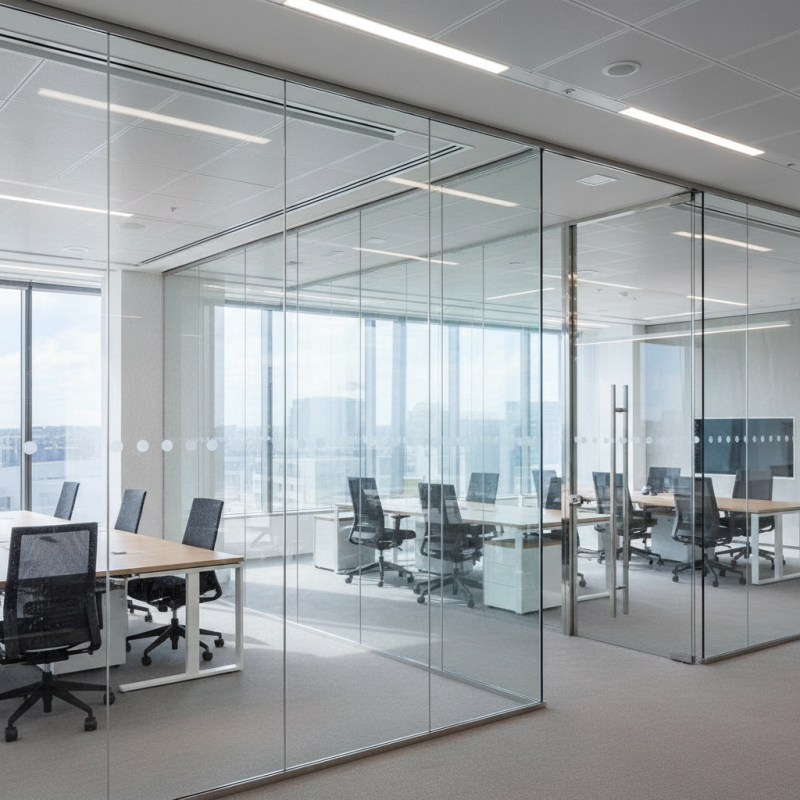
Top Fire Rating Requirements for Commercial Office Glass?

Top Fire Rating Standards for Commercial Office Glass

When it comes to fire safety in commercial buildings, the glass used plays a crucial role. Different standards dictate how glass should perform in a fire situation. The National Fire Protection Association (NFPA) sets stringent guidelines for materials, ensuring they can withstand high temperatures without compromising structural integrity.

One of the most recognized standards is the ASTM E119. This test evaluates a material's fire-resistance rating based on how long it can prevent the passage of fire and hot gases. For instance, a one-hour fire-rated glass product can withstand flames for at least 60 minutes. This is vital for providing safe egress routes in office environments.

There are also emerging standards focused on energy efficiency, such as the IGCC (International Green Construction Code). This highlights a new trend where fire-resistance must align with thermal performance. Balancing safety with energy needs creates challenges. Certain materials may meet fire ratings but lack the required insulation levels. Finding solutions to these conflicts requires ongoing research and innovation in the industry.

Understanding Different Fire Rating Classes and Their Applications

When it comes to fire-safe office glass, understanding fire rating classes is crucial. Glass can significantly influence a building's overall safety. Fire ratings classify materials based on their ability to withstand fire exposure. Common classes include A, B, and C, each offering varying degrees of protection and applications.

Class A rated glass provides the highest level of fire resistance. It’s suitable for areas with strict safety protocols, such as stairwells and fire exits. Class B is appropriate for spaces that require a moderate fire rating; these areas might include conference rooms or partitions. Class C is generally used in low-risk areas but should be approached with caution.

Tips: Always consult with a fire safety expert before selecting glass for your space. They can help interpret fire codes in your area, ensuring compliance and safety. Regular maintenance of fire-rated glass is essential. Small cracks or blemishes can reduce effectiveness, so periodic inspections are recommended.

Key Factors Influencing Fire Rating Requirements in Office Buildings

When it comes to fire safety in commercial office buildings, several factors influence glass fire rating requirements. One critical factor is the building's location. Areas prone to wildfires often demand higher fire performance. Additionally, local regulations play a significant role in determining the necessary fire ratings for glass products. Compliance with these regulations is essential to ensure the safety of employees and property.

The design and layout of an office space affect fire rating needs. For instance, wide open spaces may require fire-resistant glass to curb flame spread. From a functional standpoint, this glass must meet aesthetic needs without sacrificing safety. Moreover, the fire load of the building materials can change the specifications for glass. More combustible materials require stricter standards, making the choice of glass even more pivotal.

While advancements in fire-resistant glass technology have evolved, challenges still exist. Some glass types might not perform well under extreme heat, leading to potential failures. It is crucial for architects and builders to stay informed about these materials. Lack of research can lead to inadequate fire safety measures. Regularly reviewing these guidelines can help ensure that office buildings meet safety standards and protect lives.

Regulations and Compliance for Fire-Rated Glass in Commercial Spaces

In commercial office environments, fire-rated glass plays a crucial role in safety and compliance. These products are specifically designed to withstand high temperatures and prevent fire from spreading. Regulations vary by region, but adhering to local codes is essential. Building owners must consult fire safety experts to understand these requirements.

Understanding classification and testing methods is vital. Products fall into different categories based on their fire resistance ratings. For instance, some glasses may last only 30 minutes, while others can endure for two hours. Specific tests determine these ratings, ensuring that the glass performs as expected in case of a fire. Many regulations demand proper installation and maintenance for compliance.

Even with all the guidelines, there are often gaps in knowledge. Many professionals mistakenly overlook essential details like the type of framing used with fire-rated glass. This oversight can lead to safety risks. Keeping abreast of these regulations ensures that the glass installed meets the necessary standards. Regular updates from authorities help in maintaining compliance in commercial spaces.

Top Fire Rating Requirements for Commercial Office Glass

Fire Rating (Hours) Application Area Test Standard Compliance Code
1 Hour Interior Partitions ASTM E119 IBC 2015
1.5 Hours Egress Routes UL 263 IBC 2018
2 Hours Exterior Walls NFPA 251 IBC 2021
3 Hours Fire Barrier Walls ASTM E119 IBC 2021

Testing Methods for Evaluating Fire Ratings of Office Glass Products

When it comes to fire safety in commercial office spaces, the right glass can play a crucial role. Evaluating the fire ratings of office glass products is essential for ensuring occupant safety. Various testing methods exist to measure the effectiveness of these materials under fire conditions. Commonly, the ASTM E119 and NFPA 251 methods are utilized to evaluate fire resistance.

These tests measure how long a glass assembly can withstand fire exposure without failure. The results help architects and builders select appropriate materials for their projects. Transparency during testing is vital. Independent laboratories must conduct these evaluations to guarantee unbiased results. Additionally, industry standards should be adhered to for every product involved.

While these testing methods provide valuable insights, factors such as installation and surrounding materials can impact overall fire safety. It’s important to consider the full context of the building environment. Misunderstandings about fire ratings may lead to complacency in safety measures. Vigilance in understanding these products ensures a safer working environment. Regular updates on testing methodologies will help maintain industry standards.

FAQS

: What is the role of glass in fire safety for commercial buildings?

: Glass is crucial in fire safety, as its performance can significantly impact overall safety.

What does ASTM E119 measure?

ASTM E119 evaluates a material's fire-resistance rating, indicating how long it can withstand fire.

What are the common fire rating classes for glass?

Common classes include A, B, and C, with Class A offering the highest resistance.

Where is Class A rated glass typically used?

Class A glass is suitable for high-risk areas like stairwells and fire exits.

Why is consulting a fire safety expert important?

Experts can help interpret local fire codes to ensure compliance and enhance safety.

How can the effectiveness of fire-rated glass be compromised?

Small cracks or blemishes can reduce the effectiveness of fire-rated glass significantly.

What factors can affect the fire safety of glass installations?

Installation techniques and surrounding materials can impact the overall fire safety of glass.

Why is ongoing research necessary in fire safety standards?

Balancing energy efficiency with fire resistance poses challenges that require continuous innovation.

How often should fire-rated glass be inspected?

Periodic inspections are essential to maintain the effectiveness of fire-rated glass products.

What can lead to complacency in fire safety measures?

Misunderstandings about fire ratings may cause individuals to overlook necessary safety precautions.

Conclusion

The article "Top Fire Rating Requirements for Commercial Office Glass" delves into the essential standards and regulations governing fire-rated glass in commercial office environments. It outlines the different fire rating classes, explaining their specific applications and the importance of compliance with safety regulations. Key factors influencing fire rating requirements in office buildings are also discussed, emphasizing how building design and use can impact the necessary ratings.

Importantly, the article addresses the question, "What are the fire rating requirements for commercial office glass?" by highlighting the testing methods used to evaluate fire ratings of various glass products. Understanding these requirements is crucial for architects, builders, and property owners to ensure that their designs not only meet legal standards but also protect occupants in the event of a fire.

Sienna

Sienna

Sienna is a skilled marketing professional with a deep expertise in our company’s core products and services. With a passion for innovation and detail, she plays a pivotal role in crafting insightful blog posts that not only highlight the unique features of our offerings but also provide valuable......