Choosing the right color for tinted decorative glass can be challenging. It affects both aesthetics and functionality. As industry expert Emily Huang states, “The right tint transforms any space, reflecting your style and enhancing light quality.”
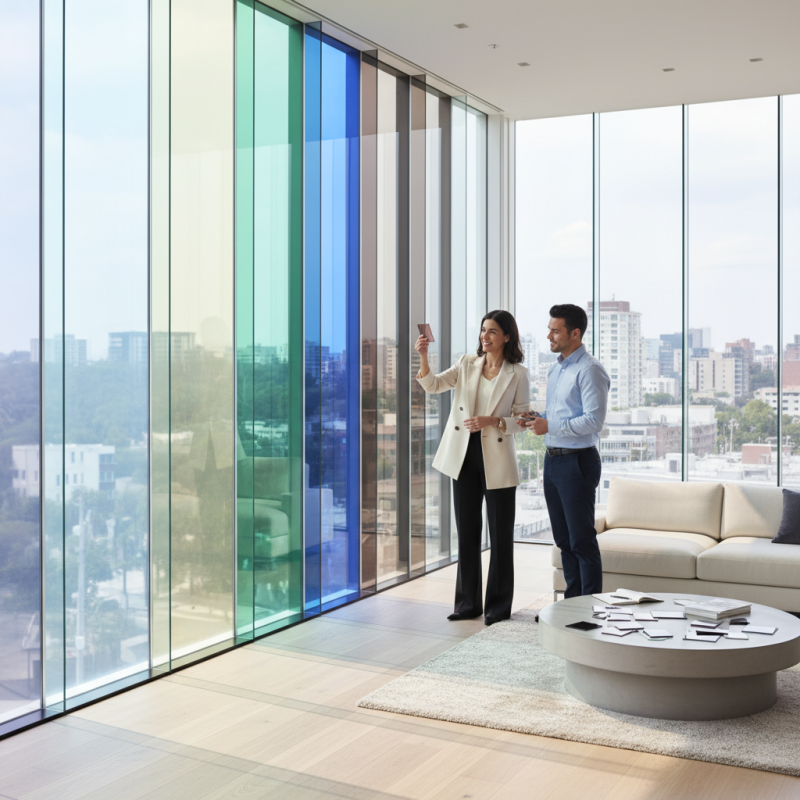
When considering how to choose the best color for tinted decorative glass, you must think about your space. Consider the existing decor and color scheme. Light colors promote brightness, while darker shades offer intimacy. It’s essential to visualize how different colors influence mood and ambiance.
Moreover, practicalities matter. Some tints reduce glare and improve privacy, while others can affect window efficiency. Not all options work in every setting. Understanding these aspects can lead to a better selection process. Delve into your preferences and experiment with samples. Reflection on your choices will enhance your decision-making.
Understanding the Importance of Color in Tinted Glass Selection
Choosing the right color for tinted glass is crucial for various applications, from architecture to automotive design. Color affects aesthetics, energy efficiency, and the overall ambiance of a space. A recent industry report highlighted that over 60% of consumers prioritize color when selecting tinted glass, showing how vital this choice is.
When considering tinted glass, think about the environment. Warm colors can create a cozy atmosphere, while cool hues often evoke calm. Understanding how different colors react to sunlight can improve energy efficiency. For instance, darker tints block more heat and ultraviolet radiation, with reports suggesting a reduction in energy costs by up to 30%. Yet, in poor lighting, darker colors may reduce visibility, requiring balance.
Tip: Assess the intended use before making a decision. If glare reduction is critical, opt for mid-tones. Often overlooked, the color of tinted glass can change perception significantly. It’s worthwhile to reflect on how the color fits with existing designs. Ultimately, the right selection can enhance a building's appearance while providing practical benefits.
Analyzing the Impact of Light Transmission and Solar Heat Gain
When selecting tinted glass, light transmission is a crucial factor. It determines how much natural light filters into a space. High light transmission can create a bright, airy atmosphere, which is important for workplaces and living areas. Conversely, lower levels may help reduce glare but can lead to darker interiors. Balancing these elements requires careful consideration.
Solar heat gain is another critical aspect to evaluate. This refers to the amount of heat from sunlight that enters a room through the glass. Tinted options can significantly reduce heat accumulation. However, extreme tinting may obstruct outdoor views and can give a claustrophobic feel indoors. Examine the balance between comfort and connection to the outside world.
Choosing the right tint isn’t always straightforward. A deeper tint might seem appealing, yet it might lead to higher energy costs in winter. It could also clash with your design vision. Therefore, testing different samples in various lighting conditions can reveal unexpected effects. Always prioritize real-world testing over assumptions.
Exploring Popular Tinted Glass Colors and Their Aesthetic Appeal
Choosing the right color for tinted glass can significantly enhance the aesthetics of any space. Popular hues like bronze, gray, and green provide distinct looks while serving practical purposes. A recent industry report reveals that 45% of consumers prefer neutral shades for residential applications. These colors blend well with various architectural styles, adding to a home’s visual appeal.
Each color has its unique attributes. For example, bronze tinted glass creates a warm, inviting atmosphere. It is especially favored in urban settings, where it reduces glare and enhances privacy. Gray, on the other hand, offers a sleek and modern touch. It works well in commercial buildings, where professional aesthetics are crucial. Research shows that 60% of office spaces utilize gray tints due to their ability to reduce eye strain while maintaining a clear view.
However, selecting the perfect tint color involves challenges. Personal preference may clash with design consistency. A shade that appears great in samples can look different in natural light. Hence, testing samples in various lighting conditions is crucial. Considering the surrounding environment will make a significant difference. Taking time to reflect on these choices can lead to a more satisfying outcome.
Evaluating Energy Efficiency Ratings Related to Tinted Glass Colors
When selecting tinted glass, energy efficiency ratings are crucial. Different colors impact the amount of heat and light entering a space. Darker tints often block more sunlight and reduce heat gain. However, they can also limit natural light. Finding the right balance is key for comfort and energy savings.
Consider the specific energy efficiency ratings associated with various tinted glass colors. These ratings indicate how well glass can insulate and protect against UV rays. Some colors may excel in reflecting heat while others might not perform as well. It’s essential to analyze these metrics carefully. Reflective tints can enhance energy performance but may create glare.
Visualizing the space helps too. A lighter tint might not block heat as effectively but can keep areas bright and welcoming. There’s a trade-off between aesthetics and efficiency. Experimenting with different options is sometimes necessary. Ultimately, understanding how color affects energy efficiency allows for informed decisions. It’s worth reflecting on personal preferences and needs in the long run.
Regulatory Standards and Industry Recommendations for Tinted Glass Tinting
When selecting tinted glass, understanding regulatory standards is crucial. Many regions have specific codes governing the acceptable levels of tint for both residential and commercial buildings. These standards ensure safety and visibility while preventing excessive heat and glare. Manufacturers often design products that comply with these guidelines, which can provide peace of mind for consumers.
Industry recommendations also play a key role in the decision-making process. Professionals advise on the effectiveness of different tint levels based on climate and building orientation. For instance, darker tints may be more suitable in hotter areas to block sunlight effectively. However, it's essential to consider the possibility that too dark a tint can reduce visibility. This risk might lead to discomfort, especially during nighttime driving or in low-light conditions.
Balancing aesthetics and functionality is another challenge. Some hues may look attractive but may not perform well in terms of energy efficiency or glare reduction. It's vital to consult with experts who can offer insights tailored to your needs. Taking the time to explore options will ensure a more satisfactory outcome that aligns with both regulatory requirements and personal preferences.
Conclusion
Choosing the right color for tinted decorative glass is a crucial decision that can greatly influence both aesthetic appeal and energy efficiency. Understanding the importance of color in tinted glass selection sets the stage for exploring how light transmission and solar heat gain can affect indoor temperatures and lighting quality. Popular tinted glass colors not only offer various aesthetic options but also play a significant role in energy conservation.
When considering how to choose the best color for tinted decorative glass, it’s essential to evaluate energy efficiency ratings that correspond to different colors, ensuring they meet regulatory standards and industry recommendations. This comprehensive approach allows homeowners and designers alike to make informed choices that enhance the beauty and functionality of their spaces while adhering to necessary guidelines.

 DotView Glass