Tempered glass is widely praised for its strength and safety features. Yet, spontaneous breakage remains a concern for manufacturers and consumers alike. Industry statistics reveal that over 5% of tempered glass products may fail unexpectedly. Thus, understanding "How to prevent spontaneous breakage in tempered glass?" becomes crucial for ensuring safety and longevity.
Expert Mark Thompson, a leading figure in glass manufacturing, emphasizes, “Proper handling and installation are key to preventing breakage.” His insights highlight the importance of manufacturing processes and guidelines. Factors like thermal stress, surface flaws, and improper installation can lead to unexpected failures.
A comprehensive approach is necessary. That includes choosing high-quality materials, maintaining consistent manufacturing practices, and training installation personnel. Reflections on common practices reveal gaps in awareness. Many overlook the impact of minute surface imperfections. A meticulous examination of tempered glass can prevent potential disasters. It’s clear that knowledge and diligence play vital roles in enhancing safety.
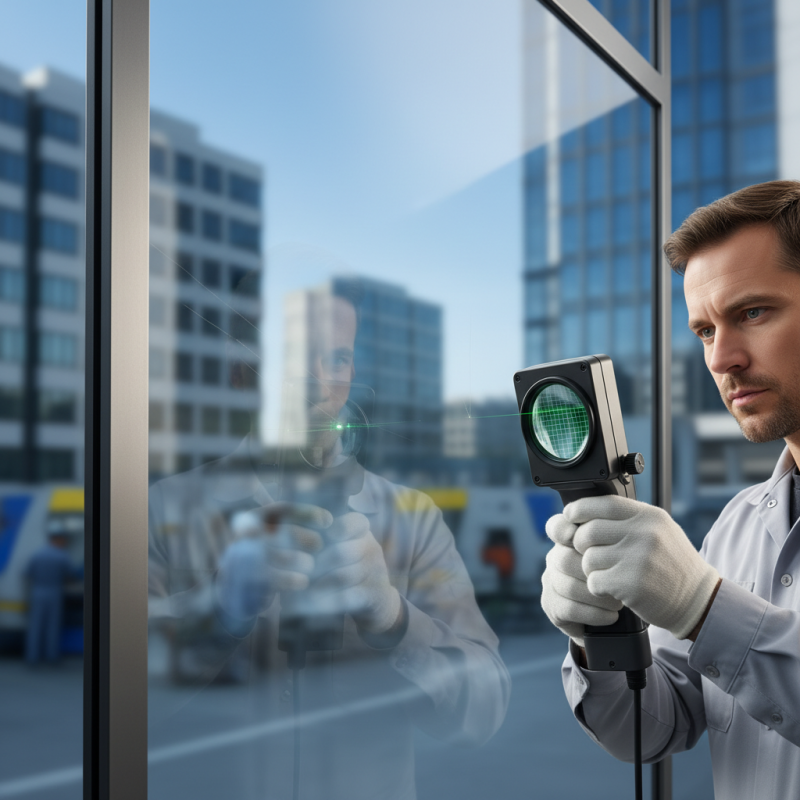
Understanding Tempered Glass and Its Properties
Tempered glass is known for its durability and strength. It undergoes a special heating and cooling process that strengthens its structure. This process results in a glass that is more resistant to impact than regular glass. However, it can still break spontaneously under certain conditions. Understanding its properties is crucial for preventing such incidents.
The unique characteristics of tempered glass contribute to its benefits and risks. It can withstand high temperatures and sudden changes. Yet, imperfections in the glass or manufacturing defects may lead to unexpected failures. Regular inspections are important. Small chips or scratches might go unnoticed but can compromise strength. Maintaining clean surfaces helps avoid stress points.
In addition, installing tempered glass correctly is vital. Poor installation can increase stress distribution across the glass, leading to breakage. Using appropriate framing and support reduces this risk. Considering environmental factors, like extreme temperature changes, is also necessary. Both natural and man-made conditions can affect glass integrity, requiring vigilance from users.
Common Causes of Spontaneous Breakage in Tempered Glass
Tempered glass is susceptible to spontaneous breakage, often due to stress points or flaws. Common causes include uneven heating, minor surface scratches, and inclusions. Understanding these issues is crucial for prevention.
To minimize risks, inspect the glass regularly. Look for small cracks or chips. Even minor imperfections can lead to significant problems. Ensure that glass is installed correctly. Poor fitting can create pressure points that may cause breakage.
Consider environmental factors. Extreme temperature changes can stress the glass. Avoid placing hot items directly on it. Also, be mindful of cleaning agents; they can weaken the surface. Some cleaners leave residues that may not be visible but can affect the glass’s integrity over time.
Monitoring these factors can enhance the safety of tempered glass. Yet, it is essential to acknowledge that no material is perfect. Regular checks and careful usage are key to longevity.
Proper Manufacturing Techniques to Reduce Breakage Risk
The manufacturing process of tempered glass plays a crucial role in minimizing breakage risks. To begin with, precise temperature control during the heating phase is essential. If the glass isn't heated uniformly, it can create weaknesses, making it prone to spontaneous breakage. Additionally, cooling should be done gradually. Rapid cooling can induce internal stresses, which may lead to fracture over time.
Another key factor is the quality of raw materials. Using high-grade silica and additives reduces impurities. Impurities can cause flaws in the glass structure, increasing the likelihood of breakage. Regular quality checks during production are vital. Even minor inconsistencies can lead to major issues later. Implementing rigorous testing protocols will ensure that only the best glass passes through.
It's important to note that even the best manufacturing techniques cannot eliminate all risks. Unexpected conditions, like thermal shock, can still cause breakage. Careful handling and transportation of tempered glass are equally important. Staff training on proper techniques helps mitigate additional risks. Thus, maintaining a balance between manufacturing excellence and cautious handling is necessary to achieve optimal results.
Maintenance Practices to Enhance the Longevity of Tempered Glass
Tempered glass is prized for its strength and resilience. However, it can still break under certain conditions. Regular maintenance is essential for enhancing its longevity. Keeping the surfaces clean is a key practice. Use a gentle cleaner and a soft cloth. Avoid abrasive materials that could scratch the surface. Regular cleaning minimizes dirt buildup, which can cause weak points over time.
Humidity and temperature fluctuations can also affect tempered glass. Ensure proper sealing in areas where glass is installed. High humidity can promote condensation that may weaken seals. Additionally, be mindful of extreme temperature changes. Sudden shifts can create stress within the glass, leading to breakage.
On occasion, inspecting for chips or cracks is crucial. Small issues can escalate if left unattended. It is essential to address these signs promptly to prevent larger breakage.
Recognizing the Role of Environmental Factors in Glass Stability
Environmental factors play a crucial role in the stability of tempered glass. Temperature fluctuations can increase stress in the glass, leading to breakage. When exposed to extreme heat or cold, glass may expand or contract unevenly. This can create micro-cracks, which may grow over time.
Humidity is another factor that can impact tempered glass. High humidity levels can affect how glass interacts with its surroundings. If there’s condensation, it can weaken the bond between glass and its frame. Poor drainage or water pooling can also result in unexpected failure.
Always monitor your glass installations. Regular inspections are essential. Look for signs of wear or stress. Even minor issues can become significant problems. Awareness of these environmental factors can help maintain the integrity of your tempered glass over time, preventing spontaneous breakage. Consider how your environment shapes the performance of your glass and reflect on necessary adjustments.
Top 10 Environmental Factors Impacting Tempered Glass Stability
FAQS
: Typical causes include stress points, flaws, uneven heating, surface scratches, and inclusions.
Regularly inspect for cracks or chips. Minor imperfections can lead to significant problems.
Incorrect fitting may create pressure points, increasing the likelihood of breakage.
Extreme temperature fluctuations can stress the glass, leading to breakage.
Harsh cleaners may weaken the glass surface. Residue can affect its integrity.
Precise temperature control and quality materials reduce the likelihood of flaws.
No, some risks like thermal shock can still cause breakage despite best practices.
Humidity and condensation can impact glass stability and lead to unexpected failure.
Regular inspections are vital. Minor issues can escalate into major problems if ignored.
Reflect on how temperature and humidity influence glass performance and integrity.
Conclusion
Tempered glass, known for its strength and safety features, can unexpectedly break due to various factors. To understand "how to prevent spontaneous breakage in tempered glass," it's crucial to recognize its properties and common causes of failure. Issues such as improper handling during manufacturing, thermal stress, and environmental impacts can lead to breakage. Implementing proper manufacturing techniques, such as precise annealing and quality inspections, significantly reduces these risks.
Additionally, regular maintenance practices, including cleaning methods and monitoring for physical damage, are essential for enhancing the longevity of tempered glass. Environmental factors like rapid temperature changes and exposure to harsh conditions also play a role in the glass's stability. By addressing these aspects, individuals and manufacturers can effectively mitigate the risk of spontaneous breakage in tempered glass, ensuring safer and more durable installations.

 DotView Glass