Determining the maximum size for custom jumbo tempered glass is crucial in various construction and design projects. "What is the maximum size for custom jumbo tempered glass?" is a common question among architects and builders. John Smith, a renowned expert in glass manufacturing, once stated, “Understanding size limits ensures optimal performance and safety.” His insight highlights the importance of knowing specifications.
Custom jumbo tempered glass can span impressive dimensions. However, specific factors influence size limitations. The thickness, manufacturing processes, and handling capabilities all play a role. For instance, larger sheets may require special transportation and installation techniques.
Checking with suppliers is essential for accurate information. They often provide data sheets that detail maximum sizes. Sometimes, these sizes vary based on the glass type and its intended use. Therefore, it’s critical to consult with professionals who can navigate these complexities. The quest for the right dimensions can lead to delays and extra costs if not carefully managed.
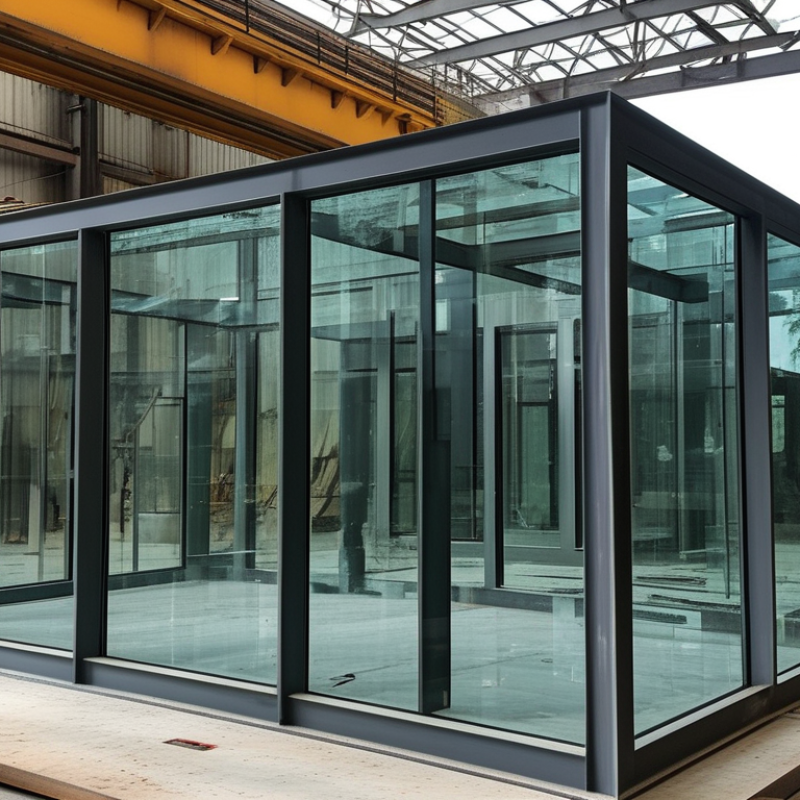
Factors Influencing the Size of Custom Jumbo Tempered Glass
When determining the maximum size for custom jumbo tempered glass, several factors come into play. The thickness of the glass greatly influences its size. Thicker glass can resist breakage and supports larger dimensions. However, a balance must be struck. If the glass is too thick, it might not fit the intended design or structural needs.
The method of tempering also affects sizing. Different tempering techniques yield varying strengths and thicknesses. For instance, the thermal tempering method is reliable but has limitations on maximum size. Additionally, transport and installation logistics cannot be ignored. The larger the pane, the more challenging it can be to move and position safely.
Building codes and safety standards are crucial considerations. They dictate the maximum allowable sizes for different applications. It's essential to comply with these regulations. Failure to do so can create serious issues and risks. Reflecting on these factors can lead to better decisions during the design phase. Creating oversized glass without understanding these dynamics can lead to unnecessary complications. Evaluating each aspect of the process can foster a more thorough approach to custom jumbo tempered glass sizing.
Factors Influencing the Size of Custom Jumbo Tempered Glass
This chart illustrates the key factors influencing the maximum size of custom jumbo tempered glass, including dimensions like width, height, thickness, weight, and thermal resistance. Understanding these parameters is crucial in determining the glass size suitable for specific applications.
Understanding the Manufacturing Limits of Tempered Glass
The manufacturing limits of tempered glass are crucial for determining the maximum size of custom jumbo pieces.
Tempered glass undergoes a process of extreme heating and rapid cooling, which enhances its strength. However, this process does not allow for unlimited sizing.
The standard maximum size ranges from 60 inches by 120 inches, but larger dimensions are possible depending on specific conditions.
According to industry reports, the maximum thickness for tempered glass commonly reaches ½ inch, with limitations based on the size and application.
Beyond these parameters, the risk of defects rises significantly. One significant factor is the glass manufacturing furnace size.
Most furnaces can only handle sheets below a certain width and length, which limits production flexibility.
Factors such as thermal stress, handling, and installation further impact size limitations. Large sheets are more prone to breakage.
Environmental conditions, such as temperature fluctuations during installation, also play a role.
To ensure optimal performance, it's essential to consult guidelines and collaborate with experienced fabricators.
Being aware of these constraints helps in making informed decisions about custom glass projects, balancing durability with size requirements.
Evaluating Building Codes and Regulations for Glass Size
When considering custom jumbo tempered glass, evaluating building codes and regulations is crucial. These guidelines vary by location, impacting the maximum acceptable size. Compliance ensures safety and durability in your project. For example, height restrictions might differ based on location, so consulting local regulations is a must.
Additionally, factors like wind load calculations and thermal stress play significant roles. These calculations determine glass thickness and size, affecting overall performance. Skipping these steps can lead to structural failures. It’s vital to engage with experienced professionals who understand these intricacies to avoid costly mistakes.
Many designers overlook the importance of testing and material procurement. Just assuming the glass can handle specific loads could be risky. Performing proper assessments can help establish trust in the glass's capability. Be prepared to make adjustments based on findings, ensuring the end result meets safety standards. Prioritize compliance to achieve both aesthetics and functionality.
Assessing Structural Support and Design Requirements
When designing custom jumbo tempered glass, understanding structural support is crucial. The glass size impacts the overall strength and demands precise calculations for safety. Often, engineers refer to the "Glass Association of North America" guidelines, which emphasize that thicker glass can withstand more weight. For instance, a 1-inch thick glass can support nearly 80% more load compared to its ½-inch counterpart. This data is vital for ensuring that the glass remains resilient under various environmental conditions.
Design requirements also play a significant role in determining the maximum size of tempered glass. Different applications, from facades to partitions, require tailored design considerations. According to a report by the International Code Council, improperly designed installations could lead to catastrophic failures. The glass design must align with building codes and standards. This includes wine load calculations and thermal stress assessments, which are often overlooked.
While there are resources available, determining the maximum size can still be challenging. Engineers must collaborate closely with architects to discuss load distribution and safety factors. They need to reflect on potential flaws in their designs. Evaluating past projects can provide insights, but that process can be subjective. Ultimately, careful planning and professional expertise are necessary to ensure the glass meets structural and aesthetic needs.
Calculating the Safe Handling and Transportation Dimensions
When calculating the safe handling and transportation dimensions for custom jumbo tempered glass, several key factors must be considered. The glass's weight and size will largely determine how it can be moved. Lifting points, securing straps, and the type of vehicle used for transport all play a crucial role in ensuring safety. Improper handling can lead to breakage, posing risks to both people and property.
It’s vital to assess the glass dimensions accurately. Measure the thickness and dimensions carefully. Always allow for clearance when planning transport routes. Sharp edges can pose hazards. Using padding and proper supports during transportation can help mitigate risk. Regular training for personnel on handling techniques is necessary. It ensures that everyone understands the complexities involved.
Despite the best planning, challenges will arise. Glass may shift during transport, leading to potential damage. Reflecting on previous experiences can guide improvements. Being mindful of different environmental conditions, like temperature changes, can also influence the glass. Adapting transportation strategies can enhance safety and efficiency.
How to Determine the Maximum Size for Custom Jumbo Tempered Glass? - Calculating the Safe Handling and Transportation Dimensions
| Dimension (inches) |
Safe Handling Weight (lbs) |
Max Transportation Size (inches) |
Recommended Thickness (inches) |
| 48 x 96 |
150 |
54 x 102 |
1/4 |
| 60 x 120 |
200 |
66 x 126 |
1/2 |
| 72 x 144 |
300 |
78 x 150 |
5/8 |
| 96 x 120 |
250 |
102 x 126 |
3/8 |
| 108 x 72 |
180 |
114 x 78 |
1/4 |
Conclusion
Determining the maximum size for custom jumbo tempered glass involves several key factors that influence its dimensions. First, understanding the manufacturing limits of tempered glass is crucial, as these limits are dictated by the production processes and technology employed. Additionally, evaluating building codes and regulations ensures that the glass complies with safety standards and legal requirements.
Moreover, structural support and design requirements play a significant role in determining the feasible size, as the glass must be adequately supported to prevent failure. Finally, calculating safe handling and transportation dimensions is essential to avoid damage during installation and movement. Overall, the inquiry "What is the maximum size for custom jumbo tempered glass?" requires a comprehensive analysis of these interconnected factors to ensure safety and compliance in its application.

 DotView Glass