Why Choose Low-E Glass Over Clear Glass for Energy Savings?

Time:2026-05-09 Author:Mason
0%

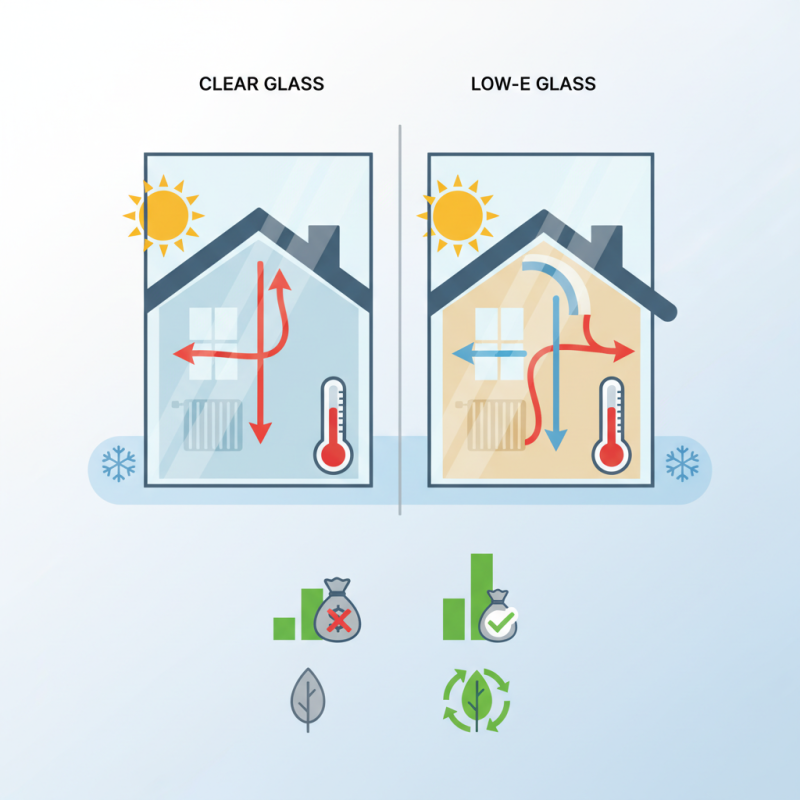
In the quest for energy efficiency, "Why is Low-E glass better than clear glass for energy saving?" becomes a crucial question for homeowners and builders alike. Low-E glass features a special coating that reflects infrared light while allowing visible light to pass through. This technology significantly reduces heat loss in winter and minimizes heat gain in summer. According to the U.S. Department of Energy, using Low-E glass can improve a building's energy efficiency by up to 30%, offering substantial savings on heating and cooling costs.

Industry expert Dr. Emily Thompson asserts, "Low-E glass is a game-changer in energy conservation. Its ability to regulate temperature efficiently cannot be overstated." Despite its clear advantages, some may still opt for traditional clear glass due to lower upfront costs. However, over time, the savings in energy bills and the enhanced comfort level in a space far outweigh these initial expenditures. The immediate aesthetic appeal of clear glass often overshadows its longer-term inefficiencies.

Choosing Low-E glass not only benefits the environment but also aligns with modern standards of energy-saving building practices. As more homeowners become conscious of energy consumption, the shift toward Low-E glass is essential for sustainable living. In a world increasingly focused on efficiency and comfort, the choice becomes clear.
Why Choose Low-E Glass Over Clear Glass for Energy Savings?

Understanding Low-E Glass: Definition and Key Features

Low-E glass, or low-emissivity glass, stands out due to its unique properties. It features a thin metallic coating that reflects infrared light. This coating helps maintain indoor temperatures by reducing heat transfer. When you choose this glass, you invest in superior energy efficiency. It keeps homes cooler in the summer and warmer in the winter. This helps lower energy bills while enhancing comfort.

The benefits extend beyond energy savings. Low-E glass also minimizes UV exposure. This feature protects furnishings and floors from fading. Additionally, the glass remains highly transparent, allowing natural light to enter without significant glare. However, not all low-E coatings are the same. Some may offer better performance than others. It’s important to consider these differences when choosing the right product.

While low-E glass offers many advantages, it is not without drawbacks. The initial cost is typically higher than clear glass. Some homeowners may find this off-putting. It’s essential to balance long-term savings with initial investments. Evaluating your specific needs can lead to a more informed decision. Ultimately, the right choice can make a significant difference in energy usage and comfort levels in your home.

Comparative Analysis: Low-E Glass vs. Clear Glass Energy Performance

Low-E glass stands out when compared to clear glass in terms of energy efficiency. It is coated with a thin metallic layer that reflects heat while allowing light to pass through. This unique feature helps regulate indoor temperatures. In contrast, clear glass does not provide this benefit, making homes less energy-efficient.

The thermal performance of Low-E glass makes it a wise choice for energy-conscious homeowners. During summer months, it keeps interiors cool. In winter, it helps retain warmth. Clear glass, however, allows heat to escape, resulting in higher energy costs. Research shows that buildings with Low-E glass can achieve significant reductions in HVAC energy use.

Some may wonder if the aesthetic difference is noticeable. While Low-E glass may appear slightly tinted, many appreciate its subtle look and energy-saving properties. Additionally, some projects might require adjustments to window frames for installation. These considerations should be weighed against the long-term savings on energy bills. Choosing the right glass involves careful thought and planning for anyone focused on improving energy performance.

Energy Efficiency Statistics: Impact of Low-E Glass on Heating and Cooling Costs

Low-E glass is gaining attention for its energy-saving potential. Studies show that using Low-E glass can significantly reduce heating and cooling costs. For instance, the U.S. Department of Energy reports that Low-E glass can lower energy bills by up to 30%. This is a significant difference for homeowners and businesses alike.

Energy efficiency is crucial. Low-E glass reflects infrared radiation while allowing visible light to pass through. According to the National Fenestration Rating Council, windows rated with Low-E coatings can improve energy performance by 10%-15%. This reduction in energy use translates to a notable decrease in reliance on HVAC systems. However, not all Low-E glass is created equal, and consumers should be aware of variations in performance based on coatings.

Interestingly, the adoption rate of Low-E glass remains low. Reports suggest that only about 25% of new residential windows include Low-E coatings. This is troubling, considering the clear benefits. Energy savings are essential in combatting rising utility costs. People should question why this effective solution isn't more widely embraced.

The Science Behind Low-E Coatings: How They Work to Reduce Energy Loss

Low-E coatings change how glass interacts with heat and light. These thin layers reflect infrared light while allowing visible light to pass through. This property reduces heat transfer effectively. By controlling heat flow, Low-E glass keeps homes warmer in winter and cooler in summer. Many homeowners report lower energy bills when switching to Low-E glass.

The science behind this is intriguing. When sunlight hits a Low-E coated surface, much of the heat is redirected outside in summer. In winter, the coating reflects heat back into the room. This process helps maintain a consistent indoor temperature. Yet, many still choose clear glass, unaware of these benefits.

Some properties of Low-E glass might feel different. For example, colors seen through Low-E glass may appear slightly altered. This can lead to concerns about aesthetics. Realizing the energy savings versus potential color shifts is crucial. A thoughtful choice is essential when considering glass options for your home.

Long-Term Benefits: Environmental Impact and Cost Savings of Low-E Glass

Low-E glass, short for low emissivity glass, plays a crucial role in energy efficiency. According to the U.S. Department of Energy, using Low-E glass in buildings can reduce energy consumption by up to 30-50%. This energy efficiency leads to significant cost savings over time. For instance, homes equipped with Low-E glass can save an average of $300 annually on heating and cooling costs.

Moreover, the environmental impact is substantial. The production and installation of Low-E glass reduce greenhouse gas emissions significantly compared to standard clear glass. A study by the National Renewable Energy Laboratory (NREL) found that buildings using Low-E glass can lower their carbon footprint by approximately 15% over a typical lifespan. These figures highlight an environmental advantage that should not be overlooked.

While low-E glass is indeed beneficial, it's essential to remember that not all Low-E coatings are created equal. Some variations might perform better in specific climates. It is advisable to consult professionals to assess unique building needs. Evaluating long-term benefits reveals the importance of informed choices regarding glass types, even as market options continue to evolve.

Energy Savings Comparison: Low-E Glass vs Clear Glass

FAQS

: What is Low-E glass?

: Low-E glass has a thin metallic coating that reflects infrared light, reducing heat transfer.

How does Low-E glass improve energy efficiency?

It keeps homes cooler in summer and warmer in winter, lowering energy bills significantly.

Does Low-E glass block UV rays?

Yes, Low-E glass minimizes UV exposure, protecting furnishings and floors from fading.

Are there any drawbacks to Low-E glass?

The initial cost is higher than clear glass, which some homeowners may find off-putting.

Is there a noticeable aesthetic difference with Low-E glass?

Low-E glass may look slightly tinted, but many appreciate its subtle appearance and efficiency.

How does sunlight affect Low-E glass?

Sunlight hitting Low-E glass redirects heat outside in summer while reflecting it back inside in winter.

Do colors appear differently through Low-E glass?

Yes, colors may seem slightly altered, which could cause concerns about aesthetics for some homeowners.

Can Low-E glass qualify for energy savings?

Many homeowners report lower energy bills after switching to Low-E glass due to reduced heat transfer.

What should I consider when choosing glass for my home?

Evaluate your specific needs, initial investment, and potential long-term savings before deciding.

Conclusion

Low-E glass is increasingly recognized for its superior energy-saving capabilities compared to clear glass. Why is Low-E glass better than clear glass for energy saving? The answer lies in its special coatings that regulate heat transfer, significantly reducing energy loss in buildings. This is crucial for maintaining comfortable indoor temperatures, as it minimizes the need for heating and cooling systems, leading to lower energy bills.

Statistical analyses indicate that adopting Low-E glass can lead to substantial savings in heating and cooling costs over time. Furthermore, beyond immediate financial benefits, Low-E glass contributes positively to the environment by reducing overall energy consumption, which in turn lessens carbon emissions. In summary, Low-E glass not only enhances energy efficiency but also supports long-term environmental sustainability.

Mason

Mason

Mason is a seasoned marketing professional with a deep expertise in the company's offerings and a passion for driving brand awareness. With a strong background in digital marketing strategies, he has an innate ability to connect with diverse audiences and effectively communicate product benefits.......