When selecting glass products, safety is paramount. It's essential to ask, "How to identify if your glass is safety certified?" This inquiry is not trivial; it can make a significant difference in your well-being. Industry expert Dr. Emily Hart, a leading glass safety consultant, emphasizes, "Understanding safety certification can protect you from potential hazards."
Identifying safety certification on glass can feel daunting. Look for labels like ASTM or ANSI, which signify rigorous testing standards. Not all glass is created equal. Some glassware may appear similar, yet lack crucial safety features. Inspecting these details is vital for informed choices.
Tools and resources exist to aid in your research. Online databases and consumer guides can offer insights. Remember, your safety is worth the effort. A few minutes spent verifying certifications can lead to significant long-term benefits. However, the multitude of products available can complicate decisions. It’s worthwhile to reflect on the choices you make in terms of safety and reliability.
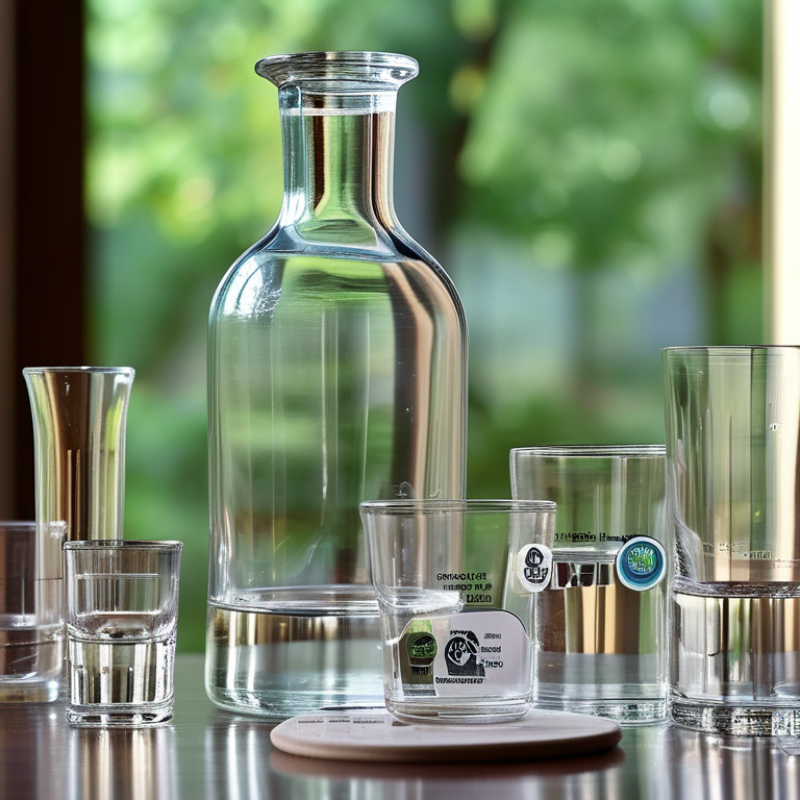
When evaluating glass products, understanding safety certification is essential. Safety certification serves as a quality assurance measure, indicating that the glass meets specific industry standards. Many consumers overlook this crucial aspect. Without proper certification, the glass may not provide the expected safety features.
To identify whether your glass has safety certification, first look for marks or labels on the product. These symbols often indicate compliance with safety standards. Common certifications include those for impact resistance, thermal performance, and UV protection. If no markings are present, consider seeking documentation from the retailer or manufacturer. A lack of certification is a red flag.
It's also beneficial to know the testing procedures involved in certification. These tests often simulate real-world conditions. Understanding these processes can enhance your confidence in your glass products. However, not all manufacturers publish their testing results. This lack of transparency can hinder consumer trust. Always prioritize purchasing from suppliers known for their reliability and transparency in certification.
When evaluating glass safety certification, understanding common standards is essential. Certification ensures that glass products meet safety performance criteria. The most recognized standards include ANSI Z97.1 and ASTM C1036. ANSI Z97.1 focuses on impact safety, verifying that glass can withstand certain physical stresses. A study by the National Glass Association highlights that products meeting this standard can significantly reduce injury risks in the event of breakage.
Another pertinent standard is ASTM C1036, which emphasizes the quality of flat glass products. This standard checks for defects and ensures durability. Reports show that glass meeting ASTM C1036 specifications has a lower failure rate. This rigorous testing is crucial for applications in construction and architecture where safety is non-negotiable.
Nonetheless, gaps in certification compliance can occur. Some suppliers may claim adherence to these standards without proper verification. It's vital to examine documentation and request proof of certification from manufacturers. This diligence helps ensure that the glass installed in homes and buildings meets essential safety benchmarks. By being informed and cautious, consumers can make sound choices about glass safety.
When checking for safety certification on glass items, look closely at labels and marks. Many glass products display symbols indicating compliance with safety standards. Familiar symbols include the "ANSI" mark or "ISO" certification logo. These indicators show that the item has been tested for safety and quality.
You may find small labels located at the bottom or side of the glass. Sometimes, these markings are hard to see. It can be frustrating when you're uncertain, but this detail matters. If you don't find any symbols, ask the seller for documentation or verification. It's important to trust what you buy, but not all sellers provide clear information.
Additionally, consider the type of glass. Tempered glass should have a label indicating its strength. Regular glass may not offer the same safety features. Look for scratches or chips, as these can compromise safety. Engaging in thorough inspections and asking for details enhances your confidence about the product. Remember, investing time in checking labels can lead to better choices for safety-conscious consumers.
| Certification Type | Description | Label/Mark Example |
|---|---|---|
| ANSI Z97.1 | Basic safety standards for glass products in buildings. | [Image of ANSI Mark] |
| ISO 4001 | International standard for safety in glass manufacturing. | [Image of ISO 4001 Mark] |
| CPSC Certified | Certification by the Consumer Product Safety Commission for meeting safety regulations. | [Image of CPSC Mark] |
| AGC Certification | Certification for specific glass products indicating they meet safety and performance standards. | [Image of AGC Mark] |
| EN 12150 | European standard for heat-treated glass safety. | [Image of EN 12150 Mark] |
When assessing the safety certification of glass, you should know where to look for credible resources. Many organizations provide safety standards for glass products. The American National Standards Institute (ANSI) is a reliable reference point. Their guidelines help ensure that glass meets safety requirements. Another trustworthy source is the Consumer Product Safety Commission (CPSC), which monitors product safety.
To verify a glass product’s certification, you can search the manufacturer’s website. Look for safety certification logos or relevant documentation. If there are no clear indicators, consider contacting the manufacturer directly. They can provide specific details about their certification process. Always remember, vague claims may warrant further inquiry.
Testing your glass for safety can also be a diligent approach. Consider using a simple scratch test. This might indicate the durability of the glass. If it scratches easily, it may not meet safety standards. Additionally, check for any certifications listed on the product itself. These markings can include important information about manufacturing processes. Some certifications might be missing even if the glass appears high-quality. Reflecting critically on these aspects ensures you make an informed choice about your glass products.
If you discover that your glass lacks safety certification, it’s crucial to take proactive measures. A study by the American National Standards Institute reveals that nearly 30% of glass products fail to meet safety standards. This can lead to serious risks during everyday use, from chipping to shattering.
Start by examining your glass for visible defects. Cracks and uneven surfaces can indicate lower quality. If there are no markings or labels showing certification, consider contacting the manufacturer for more information. They should provide documentation about their products. If this proves difficult, look for alternatives known for their reliability.
Educating yourself on safety standards is essential. Organizations such as the Consumer Product Safety Commission outline specific criteria for glass products. A lack of certification doesn't always mean a product is unsafe, but it's a red flag. Assess your options. Sometimes, spending a little more on certified products can save you from potential hazards in the long run.
: Safety certification indicates that glass meets specific industry standards, ensuring expected safety features.
Look for marks or labels on the product. These symbols indicate compliance with safety standards.
ANSI Z97.1 focuses on impact safety, while ASTM C1036 emphasizes quality and durability of flat glass.
Examine for visible defects. Contact the manufacturer for documentation about their products.
No, some manufacturers do not publish their testing results, which can hinder consumer trust.
Uncertified glass may lead to serious risks such as chipping or shattering during everyday use.
Refer to organizations like the Consumer Product Safety Commission for specific criteria on glass products.
Not always, but it is a red flag. Assess your options carefully.
Yes, spending on certified products can prevent potential hazards and save costs related to injuries or replacements.
Prioritize suppliers known for reliability and transparency in their certification process.
Understanding how to identify if your glass is safety certified is crucial for ensuring the safety and reliability of glass products. The article outlines the importance of safety certifications, explaining common standards that govern glass quality and performance. It highlights various labels and marks you should look for on glass items, providing guidance on how to interpret these certifications effectively.
Additionally, the piece offers valuable resources to help you verify the authenticity of safety certifications. If you discover that your glass lacks proper certification, it outlines essential steps to take, ensuring you can make informed decisions regarding the use of glass products in your home or business. Overall, it serves as a comprehensive guide for anyone concerned about the safety of glass materials.

DotView Glass