Laminated glass is a popular building material known for its durability and safety. However, over time, it can suffer from delamination, raising concerns among architects and builders. Dr. Emily Wang, a leading expert in materials science, emphasizes, "Understanding what causes delamination in laminated glass over time is crucial for its longevity."
Many factors contribute to this issue. Environmental conditions, such as humidity and temperature fluctuations, play a significant role. These elements can weaken the bond between layers of glass, leading to separation. Additionally, poor manufacturing processes may introduce weaknesses. Regular maintenance and inspections could help identify early signs of delamination.
Industry professionals must be aware of these causes to mitigate risks. Prevention strategies include using high-quality materials and ensuring proper installation. As Dr. Wang points out, “By addressing these problems proactively, we enhance the life of laminated glass.” Recognizing what causes delamination in laminated glass over time is essential for maintaining its integrity and performance.
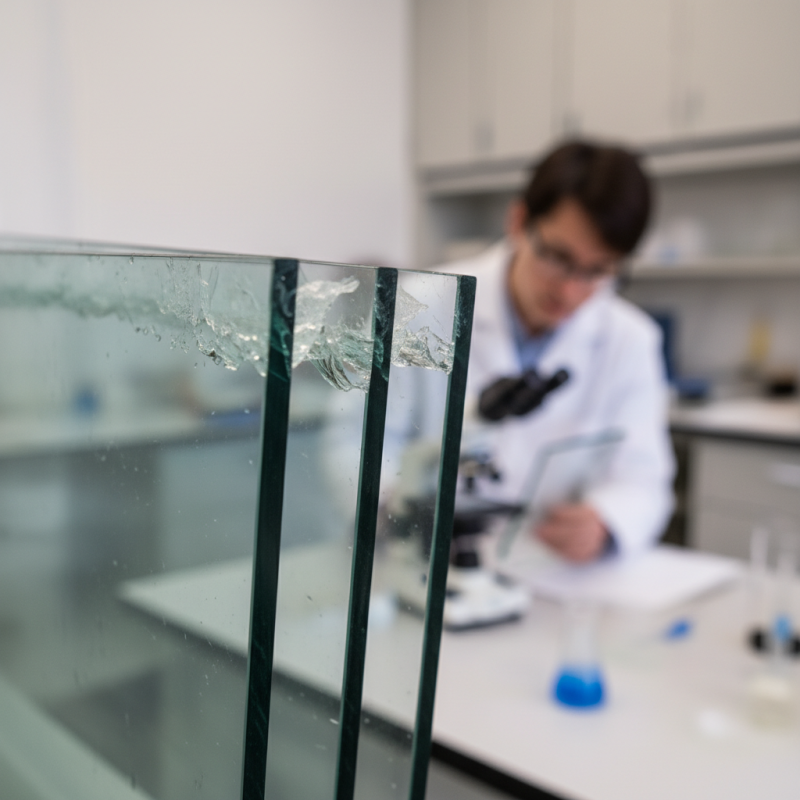
Delamination is a serious issue in laminated glass. Understanding its definition helps in recognizing its impact. Delamination occurs when layers of glass and interlayer separate. This can compromise the integrity of the glass. It can lead to safety hazards and aesthetic issues. Identifying the causes is crucial for remedy.
One common cause of delamination is moisture intrusion. Water can penetrate through seals or edges. This moisture causes the bonding material to weaken over time. Another culprit might be UV exposure, which can degrade the interlayer. Regular inspections are essential to catch these issues early.
Tips for maintaining laminated glass include checking for visible bubbles or discolorations. Ensure the glass is installed correctly to prevent seal failures. Look for signs of water damage around edges. Keeping laminated glass clean can also help in preventing delamination.
Pay attention to environmental conditions too. High humidity and extreme temperatures can accelerate delamination. If issues arise, consult professionals for timely solutions. Regular maintenance ensures longevity and safety in laminated glass.
Delamination in laminated glass can arise from various factors. One major cause is inadequate adhesion between layers. If the bonding material is not applied uniformly, it creates weak points. These areas are more susceptible to stress and environmental factors, leading to delamination over time.
Environmental conditions play a critical role too. High humidity levels can weaken adhesive bonds. Thermal cycling, or fluctuations in temperature, may also contribute. These changes cause expansion and contraction, stressing the glass layers. Over time, such stress can cause layers to separate.
In some cases, manufacturing defects can be the culprit. Bubbles or impurities in the laminate can lead to weak spots. If these defects go unnoticed during production, they become a hidden risk. Moreover, improper installation can exacerbate these issues. It’s essential to conduct rigorous inspections throughout the process. Recognizing these causes is vital for preventing delamination.
| Cause | Description | Impact Level | Preventive Measures |
|---|---|---|---|
| Moisture Ingress | Water penetration between layers can cause separation. | High | Use proper sealing and moisture barriers. |
| Thermal Stress | Extreme temperature variations can lead to differential expansion. | Medium | Select materials with similar thermal expansion coefficients. |
| Poor Adhesive Quality | Inferior adhesive can weaken the bond between layers. | High | Use high-quality polyvinyl butyral (PVB) or EVA films. |
| Mechanical Damage | Impact or pressure can cause the layers to separate. | Medium | Implement protective measures around glass installations. |
| UV Exposure | Prolonged sunlight exposure can degrade adhesives. | Low | Apply UV protective coatings or films. |
Visual inspection is a crucial step in identifying delamination in laminated glass. This process often begins with a careful examination of the glass surface. Look for visible bubbles or blisters that may indicate a failure at the adhesive layer. Use natural light to enhance visibility; it can reveal defects that are not apparent under artificial lighting.
Pay attention to the edges of the glass. Delamination often starts here due to weaknesses during manufacturing. Small cracks or discoloration along the edges are red flags. Inspecting with a magnifying glass can help spot fine details that are easy to overlook. It’s important to document your findings, as this provides a basis for further investigation.
In some cases, auditory inspection can also prove useful. Tapping the glass lightly may produce different sounds, indicating areas of weakness. This method requires experience and a trained ear. Ultimately, effective inspection combines visual and tactile techniques. Reflecting on past inspections can improve future assessments. Learn from each experience to hone your skills in identifying delamination.
Environmental factors play a crucial role in the integrity of laminated glass. High humidity levels can compromise the adhesive layers within the laminate. Prolonged exposure to sunlight may cause ultraviolet degradation, leading to delamination. Temperature fluctuations can also create stress, resulting in separation between the glass layers.
To enhance the lifespan of laminated glass, consider the installation location. Avoid places with extreme weather or high moisture. Regular inspections can identify signs of delamination early. If you notice bubbles or discoloration, act immediately to evaluate the glass's condition.
For maintenance, use a mild detergent and soft cloth to clean the surface. Avoid harsh chemicals that could damage the lamination. Investing in protective films can also shield the glass from environmental stressors. These small steps can significantly improve the durability of laminated glass over time.
Delamination in laminated glass can be a significant concern. To mitigate risks, understanding preventative measures is crucial. Regularly inspecting the glass for visible defects is an effective practice. Data from the Glass Association indicates that about 15% of delamination cases arise from poor installation practices. Ensuring skilled labor during installation can drastically lower this percentage.
Another factor is environmental conditions. High humidity can exacerbate delamination. A study from the National Institute of Standards and Technology found that prolonged exposure to moisture can weaken adhesive bonds. Keeping laminated glass in controlled environments can help reduce these risks.
: Inadequate adhesion between layers is a major cause. Weak bonding creates stress points.
High humidity can weaken adhesive bonds. Temperature changes create stress, leading to layer separation.
Yes, bubbles or impurities can create weak spots. Unnoticed defects pose hidden risks.
Inspections identify potential failures early. They help prevent serious issues later on.
Examine for visible bubbles or blisters. Check edges for cracks or discoloration.
Natural light enhances visibility of defects. Artificial lighting may hide problem areas.
Yes, tapping glass may produce different sounds. This indicates weak areas needing attention.
Documenting findings creates a reference. It helps track issues for future assessments.
Learning from past inspections refines skills. Reflection on experiences aids in identifying delamination.
Neglecting the importance of rigorous inspections. Skipping this step can lead to serious problems.
Delamination in laminated glass is a critical issue that affects its structural integrity and performance. Understanding what causes delamination in laminated glass over time is essential for maintaining its safety and durability. Common causes include moisture infiltration, temperature fluctuations, and inadequate bonding during the manufacturing process. Visual inspection techniques, such as checking for bubbles or separations, can help identify early signs of delamination.
Environmental factors, such as UV exposure and humidity, also play a significant role in weakening the adhesive bonding between glass layers. To mitigate the risks of delamination, implementing preventative measures such as proper sealing, using high-quality materials, and regular inspections can significantly enhance the longevity of laminated glass structures. By addressing these aspects, one can effectively reduce the occurrence of delamination and ensure the effectiveness of laminated glass applications.

DotView Glass