How to Effectively Remove Scratches from Architectural Glass?

Time:2026-06-01 Author:Madeline
0%

Architectural glass is a popular choice for modern buildings due to its aesthetic appeal and functionality. However, scratches can diminish its beauty. The question "How to remove scratches from architectural glass surfaces?" often arises in maintenance discussions. According to a report by the Glass Association, over 70% of architectural glass surfaces experience minor scratches within the first five years. This statistic highlights the importance of effective scratch removal techniques.

Expert Richard Larson, a leader in glass restoration, emphasizes, "Proper techniques can restore the clarity of glass without damaging the surface." His insight underscores the complexity involved in handling glass repairs. While many solutions exist, not all methods are equally effective or safe. The choice of approach may depend on the severity of the scratch and the glass type.

Removing scratches requires a careful balance of skill and appropriate materials. Common methods range from polishing compounds to professional refinishing. Yet, it’s crucial to remember that improper techniques can lead to further damage. Therefore, understanding “How to remove scratches from architectural glass surfaces?” must be grounded in practical knowledge and experience. This ensures the right approach is utilized, preserving the integrity of the glass while restoring its visual appeal.
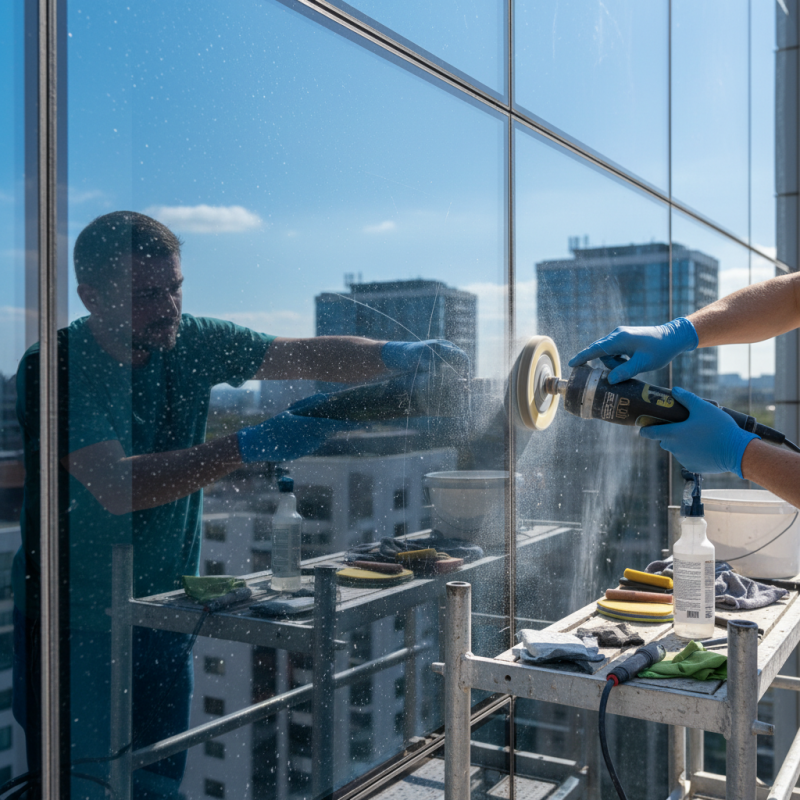
How to Effectively Remove Scratches from Architectural Glass?

Understanding the Types of Scratches on Architectural Glass

Architectural glass can enhance a building's aesthetic but is often susceptible to scratches. Understanding the types of scratches is crucial for effective removal. Scratches can be classified into two main categories: surface scratches and deep scratches. Surface scratches are usually minor and affect the coating rather than the glass itself. In contrast, deep scratches penetrate the glass, posing a more significant challenge for repair.

To address surface scratches, one effective tip is to use a glass polishing compound. Apply a small amount to a soft cloth and rub it over the scratch in a circular motion. This method can restore clarity and shine. However, it's important to test the compound on an inconspicuous area first.

For deeper scratches, seeking professional help is often necessary. If you attempt to repair them yourself, consider using fine-grit sandpaper, but proceed with caution. Sanding can inadvertently create more scratches. Always keep the area wet to minimize additional damage. Remember, reflecting on your methods can lead to better results in the future.

Common Methods for Removing Scratches from Architectural Glass

Scratches on architectural glass can compromise both aesthetics and functionality. Several methods exist for effective scratch removal. One popular technique is the use of cerium oxide polish. This compound is known for its polishing properties and is effective on minor scratches. According to a 2021 industry report, using cerium oxide can improve clarity by up to 80% when applied correctly.

Another common approach utilizes diamond abrasives. These abrasives are suitable for deeper scratches and work by gradually removing material from the glass surface. Professionals note that correct pressure and technique are essential to avoid further damaging the glass. A study indicated that using diamond abrasives could restore about 75% of glass surfaces, but results can vary widely with skill level.

Lastly, some opt for professional services that utilize advanced technologies. Laser technology, for example, can effectively remove scratches while maintaining the integrity of the glass. Industry experts emphasize that the choice of removal method should be based on the scratch depth and the material's overall condition. However, the cost of professional services can sometimes exceed initial expectations, leading to considerations about DIY methods.

Choosing the Right Tools and Materials for Scratch Removal

When it comes to scratching architectural glass, choosing the right tools and materials is essential. Commonly, professionals recommend using specialized glass polishing compounds. These compounds typically contain fine abrasives that can restore the surface without causing additional damage. According to a study conducted by the Glass Association, using suitable tools can help reduce the visibility of scratches by up to 90%.


Many experts suggest investing in diamond polishing pads as they provide a balance between effectiveness and safety. The right grit size is crucial; a finer grit minimizes the risk of enlarging the scratch. It's important to apply consistent pressure and technique for optimal results. However, not all scratch types can be repaired perfectly. Some may still show signs of previous damage, highlighting the need for realistic expectations during the process.


Regular maintenance using non-abrasive cleaners can help prevent future scratches. High-quality glass protectants can also create a barrier. They are proven to reduce susceptibility to scratches by approximately 30%. Yet, these protectants do wear off over time. It's good practice to reapply them periodically, even if the glass looks clean. Remember, transparency regarding the limitations of scratch removal ensures clients know what to expect.

Step-by-Step Guide to Polishing Out Scratches

Scratches on architectural glass can diminish its aesthetic appeal. Polishing them out requires a careful approach and the right tools. Industry reports indicate that up to 40% of architectural glass damages occur during installation. Thus, understanding how to repair these scratches is essential for maintaining glass quality.

Begin by cleaning the affected area thoroughly. Use a soft cloth and mild cleaner to remove dirt and debris. After drying, assess the depth of the scratch. If it is superficial, a gentle polish might suffice. Use a glass polishing compound, often containing cerium oxide, for effective results. Apply the compound with a microfiber cloth in circular motions, ensuring even coverage. Experts recommend a two-minute polish for best results.

For deeper scratches, more effort is needed. It may be necessary to sand the surface lightly before polishing. Reports show that 25% of scratches can be mitigated this way. However, be cautious with sanding; too much pressure can lead to new imperfections. Patience and attention to detail can lead to aesthetically pleasing results. Reflect on this process as part of improving skills in glass maintenance.

Preventive Measures to Avoid Future Scratches on Glass

Architectural glass adds beauty and functionality to structures. However, it is prone to scratches, which can compromise its appearance. Preventive measures are crucial to maintaining its integrity. One key strategy is to use softer cleaning materials. A study indicates that 70% of scratches occur during routine maintenance. Using microfiber cloths instead of rough materials can significantly reduce risks.

Another essential practice involves the regular application of protective coatings. Reports show that surfaces treated with high-quality coatings exhibit a 50% reduction in scratch incidence over a five-year period. This protective layer helps absorb impacts and shields against abrasive forces. However, many overlook the importance of reapplying these coatings regularly.

Environmental factors also play a significant role. Dust and debris can easily scratch glass surfaces, especially in high-traffic areas. Implementing a no-shoe policy can reduce debris. Educating staff and visitors about the importance of handling glass fixtures carefully can also help. Despite these efforts, scratches may still occur. Regular inspections are necessary to identify and address issues promptly. A responsive maintenance approach could mitigate potential damages before they worsen.

FAQS

: What methods can be used to remove scratches from architectural glass?

: Common methods include using cerium oxide polish, diamond abrasives, and professional services with advanced technologies.

How effective is cerium oxide polish for minor scratches?

Cerium oxide can improve clarity by up to 80% when applied correctly to minor scratches.

What are diamond abrasives used for?

Diamond abrasives target deeper scratches by removing material gradually. Pressure and technique are crucial to avoid further damage.

Can professional services help with scratch removal?

Yes, professional services use advanced technologies like lasers, but costs can be higher than expected.

What should I consider when choosing tools for scratch removal?

Use specialized glass polishing compounds and diamond polishing pads. The right grit size is essential for safety and effectiveness.

How can I maintain scratched glass to prevent future damage?

Regularly use non-abrasive cleaners and apply high-quality glass protectants, as they can reduce future scratches.

What is the first step in polishing out scratches?

Start by cleaning the affected area thoroughly with a soft cloth and mild cleaner to remove any debris.

What if the scratch is deeper?

For deeper scratches, light sanding might be necessary before polishing. Be cautious of applying too much pressure.

Are all scratches easily repaired?

No, not all scratches can be completely removed. Some may still show signs of damage after treatment.

What should I remember about expectations for scratch removal?

Understanding limitations is important. Clients should be informed that some scratches may not be perfectly restored.

Conclusion

When considering "How to remove scratches from architectural glass surfaces?", it is essential to first understand the different types of scratches that can occur. Scratches can vary in depth and severity, which influences the method of removal. Common techniques include using polishing compounds, diamond abrasives, and specialized scratch removal kits, each suited for different scratch types.

Choosing the right tools and materials is crucial for effective scratch removal. A step-by-step polishing guide can help you achieve optimal results, starting from cleaning the surface, applying the chosen product, and finishing with careful buffing to restore clarity. Additionally, implementing preventive measures, such as using protective films or regular maintenance, can help avoid future scratches on your glass surfaces. By following these guidelines, you can successfully maintain the aesthetics and functionality of architectural glass.

Madeline

Madeline

Madeline is a dedicated marketing professional with a wealth of expertise in our company's core offerings. With a keen understanding of the industry, she brings a unique perspective to her role, consistently delivering high-quality content that highlights the superior aspects of our products. As......