Cleaning built-in louvers in hollow glass units can be a daunting task. These areas often collect dust and grime, making maintenance feel overwhelming. Many homeowners wonder, "How to clean built-in louvers in hollow glass units?" The answer lies in understanding the design and accessibility of these components.
To begin, it’s crucial to gather the right tools. Microfiber cloths, soft brushes, and a gentle cleaning solution are essential. Dust can accumulate in hard-to-reach places, and standard cleaning methods may not suffice. Some might try to use power tools or harsh chemicals, but these can cause damage. Reflecting on past experiences, many people regret using abrasive materials.
Achieving a spotless finish requires patience and attention. Working methodically ensures that no area is overlooked. It might take time, but the results will be worth the effort. Many find that their initial attempts do not meet expectations. Learning from these experiences is part of the process. By understanding how to clean built-in louvers in hollow glass units effectively, you can enhance not only the appearance but also the longevity of your windows.
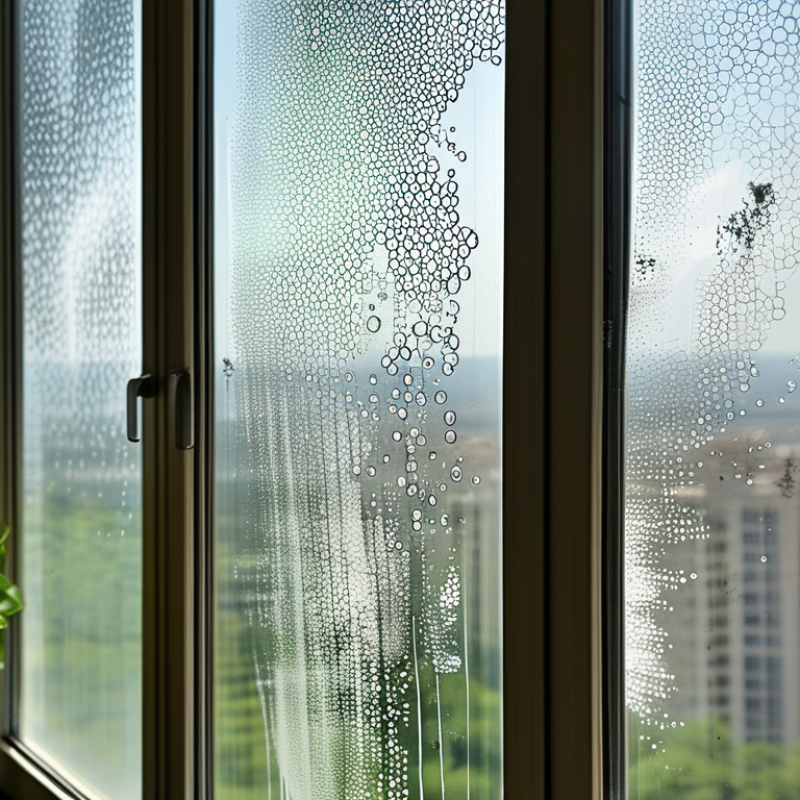
Built-in louvers are an essential feature in glass units. They allow controlled airflow and light regulation within spaces. These adjustable slats can enhance ventilation while maintaining privacy and temperature. Built-in louvers often function in both residential and commercial settings, providing an elegant solution for managing indoor environments.
When considering their function, one must acknowledge the need for maintenance. Dust and debris often accumulate on these surfaces. This buildup can hinder their effectiveness in airflow and light modulation. Regular cleaning is necessary but can be overlooked in busy lives. A thoughtful approach to their upkeep can prevent loss of functionality. For example, using a soft brush or a vacuum attachment can prevent scratches and damage.
Awareness of potential cleaning pitfalls is also crucial. Over-cleaning with harsh chemicals may harm the louvers or the glass surface. A gentle cleaning solution paired with a microfiber cloth can usually be enough. It's important to assess how much cleaning is truly necessary, promoting a balance between maintenance and practicality. Achieving cleanliness while preserving the architectural integrity of your glass units calls for careful consideration and a little patience.
Built-in louvers in glass units often accumulate dirt and grime over time. This buildup can lead to various issues. Homeowners frequently notice reduced airflow and diminished appearance. When louvers are dirty, they block sunlight and can even trap moisture. This creates an ideal environment for mold growth. Many people underestimate these problems. A simple cleaning can make a significant difference.
Cleaning built-in louvers is often overlooked. Improper cleaning can scratch glass surfaces. Additionally, using harsh chemicals may damage the internal mechanics of the louvers. Regular maintenance helps avoid larger issues later. Consider a gentle soap solution for basic cleaning. A soft brush can reach into small crevices without scratching surfaces. Sometimes, homeowners might notice persistent stains that simply won't budge. Reflecting on this can remind us that some things require professional help.
Recognizing the signs of dirty louvers is vital. If you see dust accumulation, it's time to act. Delaying maintenance can lead to costly repairs. An unclear view through glass units affects not only aesthetics but also energy efficiency. Take the time to check your built-in louvers regularly. A clean louver system enhances both the look and functionality of your home.
Cleaning built-in louvers in glass units can seem daunting. Yet, it’s essential for maintaining air quality and aesthetics. According to industry studies, nearly 70% of indoor air pollution stems from dust and allergens settling in household fixtures. Louvers, with their intricate designs, can trap dust, leading to health concerns.
Begin by gathering your supplies:
a soft microfiber cloth, mild soap, and warm water. Gently wipe each louver to avoid damage. Many homeowners overlook this because they don’t realize how much dirt accumulates. Reports show that neglecting regular cleaning can reduce airflow efficiency by nearly 30%. Using a soft brush can help dislodge stubborn particles in tight spots.
The process can reveal signs of wear, such as discoloration or corrosion. These issues raise questions about the durability of your units. Noticing these details helps in understanding whether replacement or professional cleaning is necessary. Committing to this cleaning routine not only enhances the longevity of your glass units but also ensures a healthier indoor environment. Regular maintenance is key; ignoring the task may lead to neglect and bigger issues down the line.
Cleaning built-in louvers in glass units requires the right tools and supplies for an effective job. Microfiber cloths are essential. They trap dust and grime without scratching the surfaces. A spray bottle filled with a mild soap solution can help in loosening stubborn dirt. Soft-bristle brushes are perfect for getting into those tight spaces between the louvers.
Sometimes, a vacuum with a brush attachment can save time. It helps to remove debris without causing a mess. Always check for any residue that might remain after cleaning. This practice promotes better airflow through the louvers. However, people often overlook corners where built-up dust resides.
Additionally, a squeegee can be useful for removing excess moisture after washing the glass surfaces. Be cautious; using too much water can lead to streaks. Remember, occasionally, these cleaning tasks may reveal areas needing repair or deeper cleaning. It’s useful to reassess your cleaning routine and tools every few months.
Keeping built-in louvers in glass units clean is vital for maintaining air quality and aesthetic appeal. Regular maintenance can prevent the buildup of dust and grime. According to a study by the American Society of Heating, Refrigerating and Air-Conditioning Engineers (ASHRAE), improper ventilation and dirty air filters are responsible for 20% of indoor air quality issues. Ensuring louvers are clean contributes significantly to a healthier living environment.
Implementing preventive measures can greatly enhance the cleanliness of louvers. Simple practices like regular dusting can decrease the frequency of deep cleaning required. Using a damp cloth to wipe the louvers weekly can help avoid stubborn stains and dust accumulation. Keeping the surrounding areas tidy will also minimize exterior dirt from entering the louvers. Reports have indicated that dedicated cleaning schedules can reduce maintenance costs by up to 30%.
It's essential to stay vigilant about these tasks. Overlooking cleaning schedules may lead to complications. Once grime sets in, removing it becomes increasingly difficult. Moreover, many homeowners underestimate the effectiveness of a little preventive care. Small, routine efforts can save time and effort later on. By prioritizing the cleanliness of built-in louvers, we ensure better air quality and a pleasant living space.
: Dirty louvers can block airflow, reduce sunlight, and trap moisture, causing mold growth.
Regular cleaning is important. Check your louvers at least once a month for dust accumulation.
Gather a soft microfiber cloth, mild soap, warm water, and a soft brush for tight spots.
Avoid harsh chemicals. They may damage the louvers and scratch glass surfaces.
Reflect on the issue. Sometimes, these stains require professional cleaning services.
Dust settling in louvers can contribute to indoor air pollution, impacting health and air quality.
Regular dusting and using a damp cloth weekly can help maintain cleanliness and reduce deep cleaning needs.
Look for discoloration or corrosion. These may signal that cleaning or replacement is necessary.
Yes, dirty louvers decrease airflow efficiency, potentially leading to increased energy costs.
Yes, ignoring maintenance can result in stubborn grime and costly repairs down the line.
In addressing the question of how to clean built-in louvers in hollow glass units, it’s essential to first understand what built-in louvers are and their purpose in providing ventilation and light control. However, dirty louvers can lead to various issues, including reduced airflow and aesthetic concerns. This article outlines a step-by-step guide for effectively cleaning these components, emphasizing the importance of using the right tools and supplies.
To maintain optimal function and cleanliness of louvers, preventive measures should also be taken. Regular maintenance, such as routine dusting and checks for blockages, can help preserve their condition and prevent the buildup of dirt and grime. By following these guidelines, homeowners can ensure that built-in louvers in their glass units remain functional and visually appealing.

DotView Glass