The use of decorative glass in outdoor structural balustrades is gaining interest. Many designers seek aesthetic appeal while ensuring safety and durability. According to the Glass Association, decorative glass can provide both beauty and functionality, making it a popular choice for modern architecture.
Renowned expert Dr. Sarah Thompson states, “Can I use decorative glass for outdoor structural balustrades?” This question is crucial for architects and builders. They must consider weather resistance and structural integrity while maintaining an attractive design. Reports indicate that properly treated glass can withstand outdoor conditions. However, not all decorative glass is created equal, and failure to choose wisely can lead to safety issues.
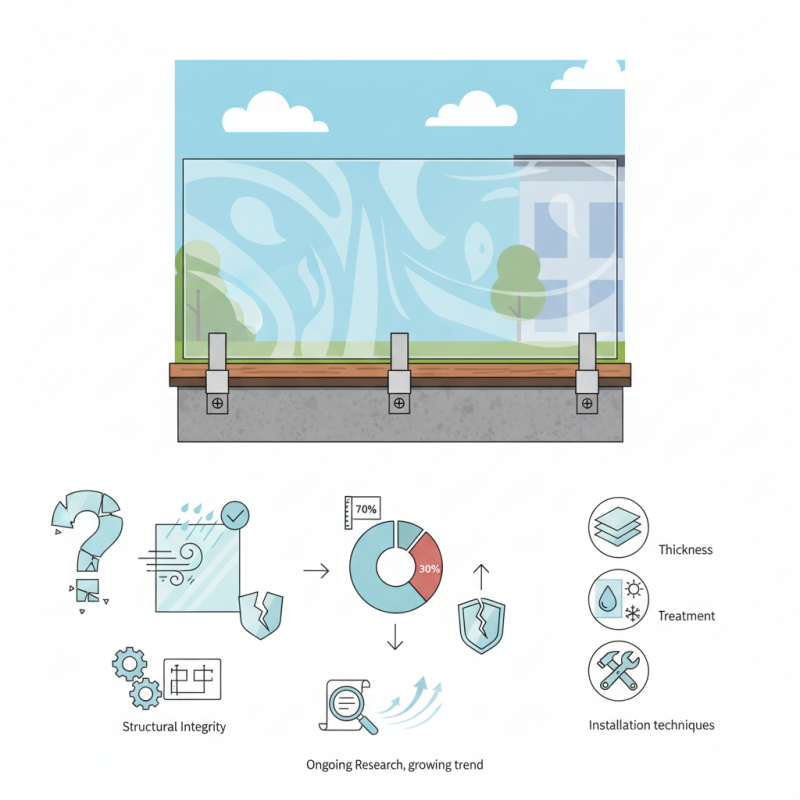
Choosing decorative glass also requires careful planning. Factors such as thickness, treatment, and installation techniques are key. Data suggests that 30% of balustrade failures stem from inadequate design choices. As the trend continues to grow, ongoing research into best practices remains essential for achieving safe and stylish outdoor spaces.
Decorative glass, known for its aesthetic appeal, has unique properties suitable for various architectural applications. The strength and durability of tempered glass make it a viable option for outdoor structural balustrades. Industry reports indicate that tempered glass can withstand significant impact forces, with a compressive strength of over 30,000 psi. This toughness is crucial for outdoor installations, where weather elements pose constant challenges.
Furthermore, decorative glass is available in a variety of textures and colors, allowing architects to create distinctive designs. However, it is essential to consider potential issues with maintenance. Reports show that glass surfaces may accumulate dirt and require regular cleaning to maintain visibility and aesthetic quality. This could be a concern for high-rise locations, where accessibility poses challenges.
Moreover, the thermal expansion of glass must be taken into account during installation. Decorative glass can expand or contract significantly with temperature changes. Experts recommend proper spacing and uses of flexible sealants to mitigate stress fractures in balustrade applications. This is sometimes overlooked, leading to potential failures in structure integrity. Understanding these properties and features is vital for successful outdoor applications.
Decorative glass is increasingly popular for outdoor structural balustrades. It offers a blend of beauty and functionality. The transparency of glass allows for unobstructed views while adding an elegant touch to outdoor spaces. This can enhance the overall aesthetics of a patio or balcony, making it feel more spacious and inviting.
Using decorative glass in balustrades also contributes to safety. Its strength can be comparable to traditional materials. Properly installed glass balustrades can withstand harsh weather, ensuring lasting security. However, maintenance is crucial. Regular cleaning is necessary to avoid clouding. It's essential to reflect on the type of glass used. Some glass may not be suited for high-traffic areas.
Additionally, decorative glass can provide a modern flair. Custom designs can reflect personal style. Patterns and textures can be integrated, making each installation unique. However, it's vital to consider potential challenges. Installation may require specialized skills. This could lead to additional costs that should be factored in. Balancing aesthetic appeal with practicality is key when choosing glass for outdoor use.
When considering decorative glass for outdoor structural balustrades, several design factors come into play. The glass must meet safety standards. According to industry data, tempered glass can withstand significant impacts, making it a favorite for outdoor use. This type of glass is less likely to shatter compared to regular glass, enhancing safety without compromising aesthetics. Balustrades should be designed to withstand weather elements like wind and rain. A recent report showed that balustrades need to endure loads up to 0.5 kN/m, depending on their location.
Visibility is crucial in design. Decorative glass offers transparency, allowing for unobstructed views. But careful consideration is necessary to ensure that the glass does not become a safety hazard. For example, some colors or patterns may affect visibility, especially at night. Designers must balance beauty with functionality.
Tip: Always choose glass specifically rated for outdoor use. This ensures durability and safety over time.
Another aspect to consider is maintenance. While glass is relatively easy to clean, it can show fingerprints and water spots. This might detract from its aesthetic appeal. Assessing your local climate can help determine the best glass finish.
Tip: Use coatings that resist dirt and water to reduce maintenance efforts.
| Feature | Consideration | Recommended Type | Maintenance Level |
|---|---|---|---|
| Safety | Must comply with local building codes for load and impact resistance | Tempered Glass | Low |
| Aesthetic | Enhances visual appeal, can feature custom designs | Laminated Glass with Decoration | Medium |
| Weather Resistance | Should withstand UV exposure and temperature fluctuations | Coated Glass | Low |
| Installation | Requires professional installation for safety | Frameless Glass Systems | Medium |
| Durability | Must resist chipping and cracking | Boralux Glass | Low |
The safety and durability of decorative glass in outdoor applications have become essential considerations for architects and designers. While many appreciate its aesthetic appeal, it is vital to assess its performance in various external conditions. According to the Glass Association, properly treated tempered glass can withstand wind loads of up to 50 psf, making it a viable choice for balustrades.
However, decorative glass must be selected carefully. Environmental exposure can lead to fading or degradation over time. A study from the National Glass Association highlights that UV-resistant coatings can enhance longevity, reducing the risk of brittle failure. This suggests a careful evaluation of glass types and finishes is necessary to ensure they endure the elements.
Installation methods also play a crucial role. An improper setup can compromise structural integrity, leading to potential safety hazards. Regular maintenance checks should be a standard practice to detect any signs of wear or damage. Given the complexity of these factors, a thorough understanding of decorative glass properties is crucial for outdoor installations.
Outdoor decorative glass balustrades can enhance aesthetic appeal. However, their maintenance is crucial for longevity. Regular care ensures safety and beauty. According to industry reports, improper maintenance can lead to significant structural declines.
Routine inspection is essential. Look for scratches, cracks, or any signs of wear. Clean glass surfaces with non-abrasive solutions to avoid damaging coatings. A 2022 report from the Glass and Glazing Federation highlights that around 30% of glass failures result from neglect. This statistic underscores the need for diligence.
Tip: Schedule seasonal check-ups for your balustrades. Early detection of issues can save money and prevent accidents. Additionally, consider the location. Environmental factors, such as salt air in coastal areas, may demand more frequent cleaning.
Ensure the fixings and supports are secure. Loose fittings can compromise safety. A proactive approach is vital for outdoor installations. Remember, beauty should not come at the cost of safety.
: Tempered glass is strong and durable, with a compressive strength of over 30,000 psi.
Weather elements like wind and rain can pose challenges to the glass. Balustrades must be designed to endure these forces.
Glass surfaces can accumulate dirt and require regular cleaning to maintain their appearance.
Some colors or patterns may reduce visibility, especially at night, posing safety concerns.
Glass can expand or contract with temperature changes. Proper spacing and flexible sealants are important to avoid stress fractures.
No, only glass rated for outdoor use should be chosen to ensure safety and durability over time.
Decorative glass is available in various textures and colors, offering distinctive design possibilities for architects.
Installation mistakes about spacing and sealants can lead to structural failures. Always focus on proper techniques.
Using coatings that resist dirt and water can help minimize cleaning and maintenance efforts.
Designers must ensure the design is aesthetically pleasing while also considering potential safety hazards.
When considering the question, "Can I use decorative glass for outdoor structural balustrades?" it's essential to understand the properties and features of decorative glass, which can enhance the aesthetic appeal of outdoor spaces. The benefits of using decorative glass include its ability to provide a unique design element while ensuring visibility and light flow. Design considerations must account for factors like the type of glass used, thickness, and framing to ensure safety and compliance with building codes.
Safety and durability are paramount in outdoor applications, as decorative glass must withstand environmental challenges, such as varying weather conditions. Proper maintenance is also crucial to preserving the glass's appearance and structural integrity over time. Ultimately, decorative glass can be an excellent choice for outdoor structural balustrades when these aspects are thoughtfully addressed, offering both beauty and functionality.

DotView Glass