Can You Cut Heat Treated Tempered Glass After Processing?

Time:2026-05-22 Author:Oliver
0%

Tempered glass is widely used in various industries for its strength and safety features. However, a common question arises: Is it possible to cut tempered glass after it has been heat-treated? Experts agree that cutting tempered glass post-processing can be exceptionally challenging. According to industry reports, more than 90% of tempered glass is designed to withstand significant stress, making it nearly impossible to alter once heat-treated.

The heat treatment process increases the glass's strength, causing it to shatter into small, blunt pieces if improperly cut. This is a crucial point for architects and construction professionals who often overlook post-processing adjustments. Industry data reveals that nearly 80% of glass-related accidents occur during faulty cutting attempts. Thus, cutting tempered glass after heat treatment is not only daunting but also risky.

Those considering modifications must recognize that alternatives may be safer. Pre-cutting before the heat treatment process is advisable for achieving desired dimensions. It's essential to weigh the risks and benefits carefully. The simplicity of cutting regular glass contrasts sharply with tempered glass, reminding us that not all materials can be treated the same.
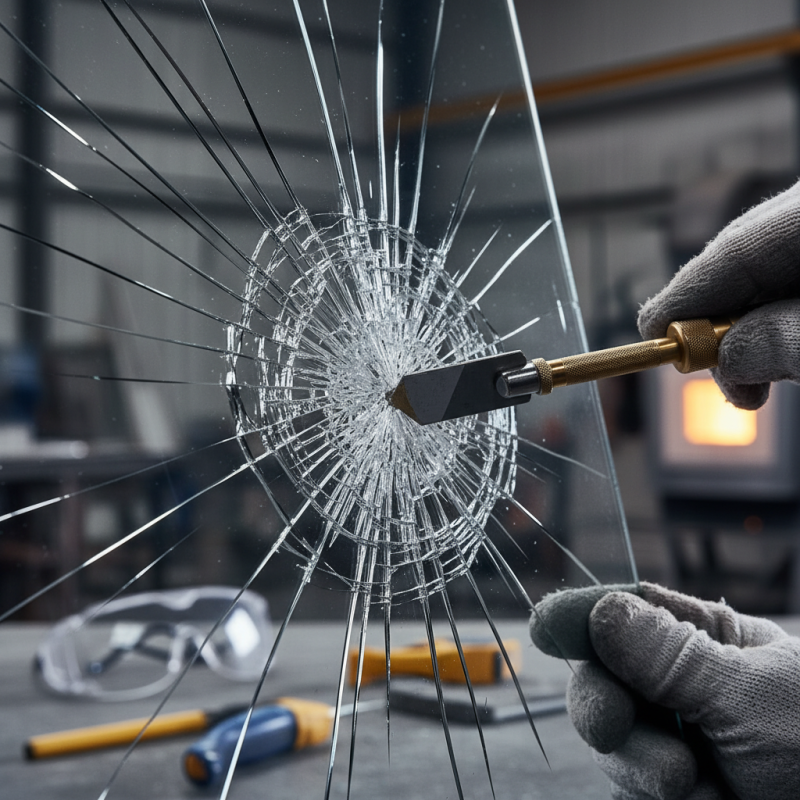
Can You Cut Heat Treated Tempered Glass After Processing?

Understanding Heat Treated Tempered Glass and Its Properties

Heat treated tempered glass is a popular choice in construction and design due to its strength and safety features. This type of glass undergoes a rigorous heating and cooling process, enhancing its durability. According to a report by the American Society for Testing and Materials, tempered glass can endure up to five times the impact of standard glass, making it an excellent option for high-risk areas. Its thermal resistance is also noteworthy, withstanding temperature changes of up to 200 degrees Fahrenheit without breaking.

However, once glass is tempered, it cannot be easily cut or modified. The inherent stresses within the glass are what give it strength, but these same stresses make post-processing challenging. Attempting to cut tempered glass can result in shattering. A study published in the Journal of Materials Science highlights that damaged tempered glass not only loses its structural integrity but also poses safety risks. Professionals must carefully plan dimensions before the tempering process to avoid costly mistakes later on. While it is possible to create custom pieces, this must be done prior to heat treatment to ensure durability. This limitation can lead to reflections on design choices, pushing architects and designers to balance aesthetics and functionality.

The Process of Cutting Glass: Techniques and Tools Used

Cutting glass requires specific techniques and tools tailored for different types of glass. For regular glass, a glass cutter and a straight edge can suffice. However, heat-treated tempered glass presents unique challenges. The internal stresses from the tempering process make it difficult, if not impossible, to cut after processing. Attempting to do so can lead to shattering and injury, making it essential to plan cuts before the heat treatment.

When people think about cutting glass, they often overlook the tools required. A specialized glass cutter is a must for precise cuts. Additionally, a breaking tool helps to snap the glass along the scored line. For tempered glass, diamond blades are often recommended, though cutting must be done prior to the heat treatment phase. Factors such as glass thickness and size also play a critical role in choosing the appropriate technique.

The process can be tricky, and mistakes can lead to significant waste. Understanding the limitations of tempered glass is vital. There may be moments when the perceived ease of cutting leads to unnecessary frustration. Engaging with professionals or seeking proper training can help avoid these pitfalls. Ultimately, appreciating the nuances of glass cutting can lead to better outcomes.

Effects of Heat Treatment on Glass Toughness and Structural Integrity

Heat treatment significantly enhances the toughness of glass, leading to increased structural integrity. This process involves heating the glass to high temperatures and then cooling it rapidly. The result is a stronger material that can withstand impacts better than untreated alternatives. However, this treatment alters the molecular structure of the glass, making it less workable after processing.

Once glass is heat-treated, attempting to cut it can lead to disastrous results. The internal stresses from the heat treatment can cause the glass to shatter unpredictably. It is often suggested to avoid cutting glass that has undergone this process, as the risks greatly outweigh any potential benefits. Instead, it’s best to measure precisely before the heat treatment.

Tips: Always plan cuts before heat treatment. Precision in measurements and cuts ensures optimal results. If mistakes occur, consider professional methods for correction. Always consult with glass experts if unsure about the cutting processes. Their insights can prevent costly mishaps and ensure safety.

Challenges and Risks of Cutting Tempered Glass Post-Processing

Cutting heat-treated tempered glass after processing presents significant challenges and risks. Tempered glass undergoes a specialized heating and cooling process to enhance its strength. This treatment makes the glass much more stable, but it also creates a tension within the material. Once it's cut, this tension is disrupted, potentially leading to unpredictable breakage.

Many professionals emphasize the dangers associated with trying to cut tempered glass post-processing. Tools that seem suitable can easily chip or shatter the glass. Even with specialized equipment, the risk of injury remains high. While some alterations may appear feasible, they often yield more problems than solutions. Observing a shattered piece of glass during the cutting attempts can be frustrating and costly.

Considering the potential for disaster, it's wise to rethink the necessity of cutting tempered glass. It's essential to plan accurately during initial designs to avoid modifications later. Relying on standard methods might reduce risks, but it won't eliminate them entirely. It's crucial to assess both the costs and the benefits before proceeding.

Alternatives to Cutting Tempered Glass: Strategies and Solutions

Cutting heat-treated tempered glass after processing is not advisable. This type of glass undergoes a specific treatment that makes it much stronger than regular glass. Once tempered, it cannot be cut, drilled, or altered. Attempting to do so may result in shattering. Instead, consider alternative methods to achieve the desired dimensions and designs.

One effective strategy is to measure accurately before ordering or manufacturing the glass. Custom cut glass can be ordered to fit your specifications. This approach saves time and reduces waste. Consider working with professionals who specialize in glass cutting and installation. Their expertise can guide you to make the right choices based on your project needs.

Tips: Always handle tempered glass with care. Even the slightest pressure can cause it to break. Additionally, when working with glass, wear protective gloves and eyewear for safety. Consider using adhesives or clips instead of cutting if you need to fit glass into specific areas. This can prevent unnecessary complications or damage.

FAQS

: What tools are essential for cutting regular glass?

: A specialized glass cutter and a straight edge are necessary for precise cuts on regular glass.

Can you cut tempered glass after it has been heat-treated?

No, attempting to cut tempered glass after heat treatment can cause shattering and injury.

What happens if you try to cut heat-treated glass?

Internal stresses from the heat treatment can lead to unpredictable shattering, making cutting dangerous.

How does heat treatment affect glass structure?

Heat treatment increases toughness and structural integrity, but reduces workability after the process.

What should you do before heat treating glass?

Always measure and plan cuts accurately before the heat treatment to avoid complications later.

What alternatives exist for altering tempered glass?

Consider ordering custom cut glass or using adhesives instead of cutting tempered glass.

Why is it important to consult professionals when cutting glass?

Their expertise can help prevent costly mistakes and ensure safety during the cutting process.

How can mistakes in measuring affect glass cutting?

Mistakes can lead to waste and frustrations, necessitating potential rework or correction methods.

What precautions should you take when handling fragile glass?

Always wear protective gloves and eyewear, and handle tempered glass with care to avoid breakage.

What can be done if you need precise glass dimensions?

Measure accurately and consider custom orders to fit your specific project needs without cutting.

Conclusion

The article titled "Can You Cut Heat Treated Tempered Glass After Processing?" delves into the complexities of working with tempered glass, a material known for its enhanced durability and strength due to heat treatment. It begins by exploring the properties of heated tempered glass and the typical cutting techniques and tools employed before the tempering process. A significant focus is placed on the effects of heat treatment, which bolster the toughness and structural integrity of the glass, making it difficult to cut afterwards.

The key question arises: "Is it possible to cut tempered glass after it has been heat-treated?" The article highlights the challenges and risks associated with attempting modifications post-processing, highlighting the likelihood of shattering and compromising safety. It concludes by suggesting alternatives for those needing glass cut to specific dimensions after heat treatment, proposing strategies and solutions that can circumvent the need for cutting tempered glass directly.

Oliver

Oliver

Oliver is a seasoned marketing professional with a wealth of expertise in driving brand awareness and engagement. With a deep understanding of our company's product offerings, he consistently delivers high-quality content that enriches our professional blog. His insights not only shed light on......