Why is there condensation inside my double glazing?

Time:2026-05-01 Author:Charlotte
0%

Experiencing condensation inside your double glazing can be quite frustrating. Homeowners often ask, "Why does my double glazing have condensation inside?" This question reflects concern over energy efficiency, aesthetics, and comfort. Understanding this issue requires some technical insight.

Double glazing windows are designed to provide insulation. They consist of two glass panes separated by a sealed space. When this seal is compromised, humidity from inside your home can penetrate, leading to condensation. This happens frequently in areas with high moisture, such as kitchens and bathrooms. You may notice foggy patches obscuring your view.

If condensation persists, it suggests a larger problem. Issues like seal failure or improper installation can arise. These factors affect the performance of your windows. Not only does this affect insulation, but it may also lead to mold growth. Addressing these concerns promptly can maintain the quality and efficiency of your double glazing. Understanding the underlying causes helps you take appropriate action.
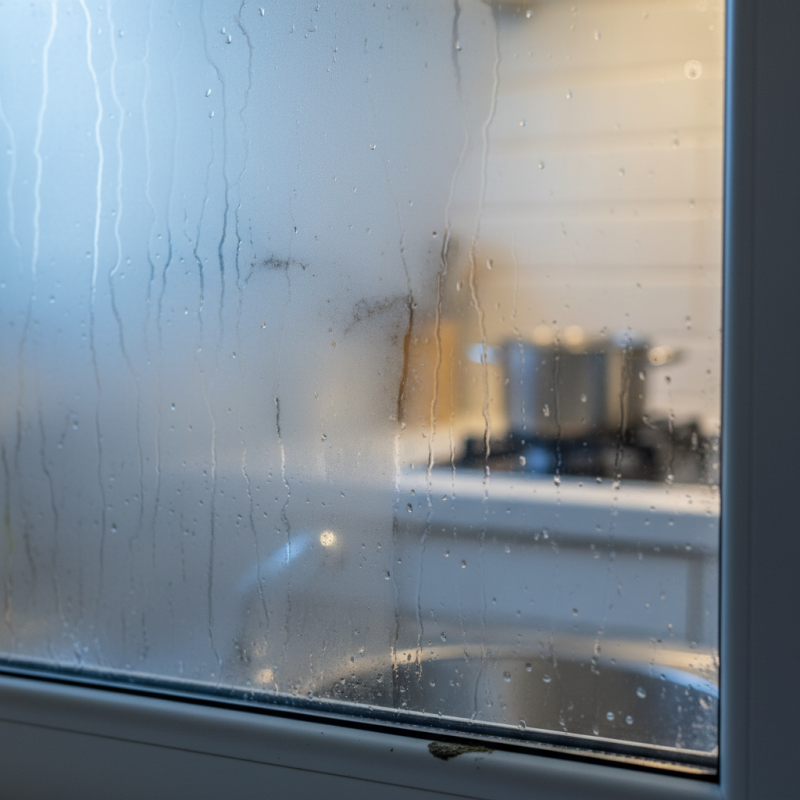
Why is there condensation inside my double glazing?

What is Double Glazing and How Does It Work?

Double glazing consists of two glass panes separated by a space, forming an insulating barrier. This design minimizes heat loss and reduces noise from the outside. When properly installed, it enhances energy efficiency in homes. The gap between the panes is often filled with argon gas to improve insulation further.

However, if condensation forms between the panes, it indicates a failure in the seal. The glass may appear foggy, leading to diminished visibility and aesthetic issues. Over time, the seal can degrade due to weather conditions or age. This failure may seem minor, but it can impact overall energy efficiency significantly.

Proper maintenance of double glazing is crucial. Regular checks can prevent problems from escalating. Understanding the mechanics of double glazing empowers homeowners. It helps in identifying issues early, ensuring a well-insulated home for years to come. Monitoring these systems fosters confidence in home energy management.

Why is there condensation inside my double glazing? - What is Double Glazing and How Does It Work?

Dimension Description Common Causes Solutions
Temperature Difference The difference between indoor and outdoor temperatures can cause condensation. High humidity indoors or cold temperatures outside. Reduce indoor humidity and ensure proper ventilation.
Seal Integrity The seals around double glazing units can degrade over time. Ageing seals or installation issues. Inspect and replace faulty seals or units.
Ventilation Proper air circulation helps reduce condensation risks. Poorly ventilated spaces trap moisture. Enhance the ventilation system in your home.
Window Installation Quality and installation method impact performance. Improper installation can lead to gaps and moisture entry. Ensure professional installation of double glazing.

Common Causes of Condensation in Double Glazed Windows

Condensation inside double glazing is a common concern for homeowners. This phenomenon occurs when moisture builds up between the two panes of glass. A primary cause of this issue is seal failure. Once the seal is compromised, moisture can enter the space, creating condensation. According to industry reports, about 10% of double-glazed units fail within the first ten years.

Another reason for condensation is temperature variation. When the interior temperature rises and significantly contrasts with the colder exterior, moisture condensation occurs. This is especially prevalent during winter months when indoor heating is utilized. Studies show that homes with inadequate ventilation can trap humid air, worsening condensation problems. A survey found that 29% of surveyed homes experienced condensation issues due to poor airflow.

Improper installation can also lead to condensation. If the units are not fitted correctly, it may affect their insulation properties. The lack of proper insulation allows outside air to infiltrate. This can create a moist environment. Ensuring proper installation and maintenance is crucial. Regular checks for signs of condensation can help identify potential issues early. Addressing these problems promptly can enhance the lifespan of your double glazing.

Effects of Humidity and Temperature on Double Glazing Performance

Condensation inside double glazing occurs due to temperature differences between the indoor and outdoor environments. When the air outside is colder, it cools the glass surface. Humidity plays a vital role here; higher indoor humidity can lead to more condensation. During colder months, the warm air inside your home carries moisture, which can condense on cold surfaces.

Tips: Check the humidity levels in your home. Ideal indoor humidity ranges from 30% to 50%. Use a hygrometer to monitor these levels. If it’s high, consider using a dehumidifier or improving ventilation.

The design of double glazing helps insulate your home. However, if the seals wear out, condensation can fill the space between the panes. This not only affects visibility but also indicates a loss of thermal efficiency. Regularly inspect the seals and frames for any wear or damage.

Tips: Ensure that your windows are properly maintained. Clean the frame and check for leaks. Small repairs can prevent bigger issues down the road.

Signs of Seal Failure in Double Glazed Units

Condensation inside double glazing is a common issue. It often signals a failure in the seals of the double-glazed units. Once these seals break down, moisture enters the space between the panes. As a result, you may notice foggy patches or water droplets forming inside the glass. This is not only a visual nuisance but can also affect thermal insulation.

Signs of seal failure include gaps or cracks around the edges of the unit. If you see a cloudy appearance, it indicates that the gas within the panes is escaping. Another sign is excessive draft, which can lead to inconsistent room temperatures. You might also notice mold growth around the window frames, indicating prolonged moisture exposure.

Addressing these issues promptly is crucial. Ignoring them may lead to further damage over time. You'll want to consult with professionals to assess the problem. Repairing or replacing the sealed units can often solve these concerns. Remember, early detection can save you money and maintain your home's energy efficiency.

Preventive Measures to Reduce Condensation in Double Glazing

Condensation inside double glazing often occurs due to humidity and temperature differences. According to industry reports, nearly 30% of homes experience such issues. Inadequate ventilation is a common factor. High indoor humidity paired with cold weather can lead to excess moisture settling between the panes. This not only affects appearance but can also compromise insulation.

To mitigate condensation, improve ventilation. Use exhaust fans in kitchens and bathrooms. Open windows regularly to promote air circulation. Maintaining a balanced humidity level, ideally between 30-50%, is crucial. A hygrometer can help monitor levels effectively. Homeowners should also inspect seals around frames. Any gaps can lead to air leaks, further increasing condensation risks.

Another preventive measure involves adjusting indoor temperatures. Keeping a consistent temperature can reduce the chances of condensation forming. It is also essential to be mindful about indoor plants; excessive watering can raise humidity levels unexpectedly. These steps can help maintain clearer double glazing while enhancing overall energy efficiency.

Condensation Levels in Double Glazing: Preventive Measures Effectiveness

FAQS

: What is double glazing?

: Double glazing consists of two glass panes separated by a space. This design creates an insulating barrier.

How does double glazing work?

It minimizes heat loss and reduces outdoor noise. The gap is often filled with argon gas for better insulation.

What causes condensation between the panes?

Condensation indicates a seal failure. This often happens due to age or weather conditions affecting the seals.

What happens if condensation occurs?

Foggy glass results, leading to visibility issues. This can significantly impact energy efficiency over time.

How can I maintain my double glazing?

Regular checks are essential. Inspect seals, clean frames, and look for leaks to avoid bigger problems later.

What humidity levels should I maintain indoors?

Aim for indoor humidity between 30% to 50%. This range helps keep condensation to a minimum.

How does temperature affect double glazing?

Cold air outside can cause condensation on glass. Higher indoor humidity can worsen this issue during colder months.

What tools can help monitor indoor humidity?

Use a hygrometer to check humidity levels. It can inform you if you need a dehumidifier or better ventilation.

What are the signs of wear in double glazing?

Check for foggy glass or visible damage to the seals. These issues indicate that maintenance is needed.

How do I know if my double glazing is effective?

A well-maintained system should prevent condensation and minimize heat loss. Regular inspections foster confidence in energy management.

Conclusion

Double glazing is a popular window technology designed to improve insulation and energy efficiency by creating a space between two panes of glass. However, homeowners may encounter the issue of condensation forming inside their double-glazed units, prompting the question: "Why does my double glazing have condensation inside?" This condensation often arises from common causes such as poorly sealed units that allow moisture ingress, increased indoor humidity levels, or significant temperature variations between the inside and outside of the glass.

The effects of humidity and temperature on double glazing performance can exacerbate this problem, leading to potential damage and reduced effectiveness. Signs of seal failure, such as fogging or water droplets between the panes, indicate that it's essential to address the issue promptly. To combat condensation, preventive measures include maintaining a balanced humidity level indoors, ensuring proper ventilation, and regularly checking for any signs of wear or damage in the window seals.

Charlotte

Charlotte

Charlotte is a seasoned marketing professional with a deep understanding of the company's portfolio and a passion for elevating its presence in the market. With a keen eye for detail and a commitment to excellence, she ensures that our professional blog is regularly updated with insightful articles......