When considering the strength of materials in construction and design, tempered glass stands out for its durability. Among various thicknesses, 12mm tempered glass is commonly used for both functional and aesthetic purposes. However, a vital question arises: How much weight can 12mm tempered glass actually hold?
Understanding the load-bearing capacity of tempered glass is crucial for architects and designers alike. The glass can support significant weight due to its manufacturing process, which increases its strength. Factors such as installation methods, support structure, and environmental conditions also play a role in its effectiveness. While it boasts impressive capabilities, one cannot overlook the need for proper installation and maintenance.
Assumptions about strength might sometimes lead to overestimating its capabilities. In certain situations, users may face unexpected fractures or failures if thresholds are not respected. Therefore, thorough research and understanding are essential. Knowing the limitations will ensure that 12mm tempered glass serves its intended purpose safely and effectively.
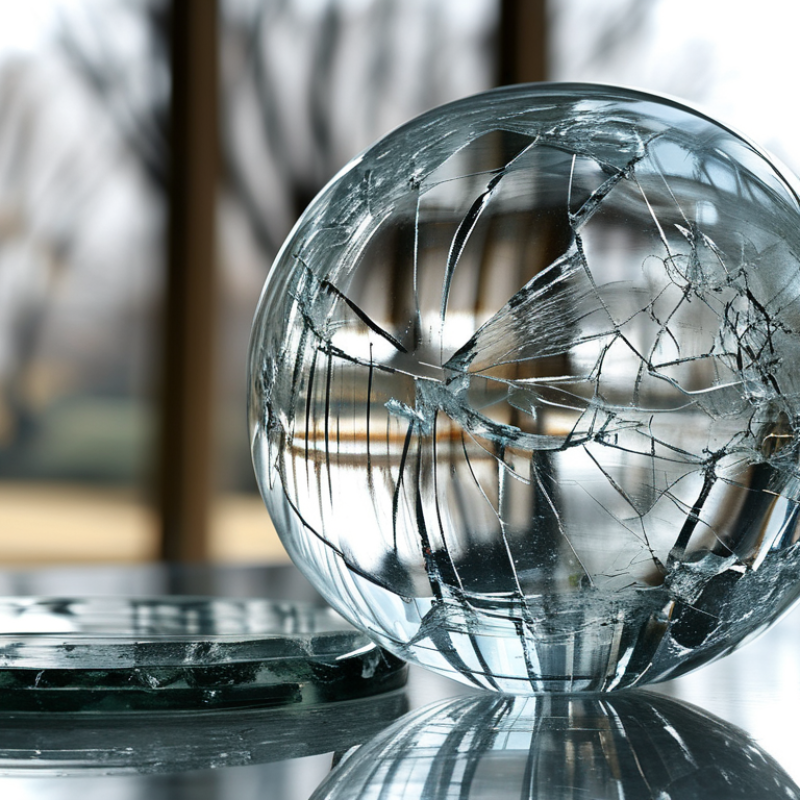
Understanding 12mm Tempered Glass and Its Properties
Tempered glass is increasingly popular in modern architecture and design. Its thickness, like 12mm, plays a crucial role in strength. A 12mm tempered glass can typically hold significant weight, often surpassing what ordinary glass can support. This extra thickness adds durability and resistance to impact, making it suited for various applications.
Understanding the properties of tempered glass helps in assessing its strengths and limitations. Tempered glass undergoes a heating and cooling process that increases its strength compared to regular glass. However, it’s important to note that improper handling can lead to breakage. Corner impacts or extreme temperature fluctuations may cause the glass to shatter.
Moreover, while 12mm tempered glass can support substantial loads, the specific weight it can hold will depend on how it is installed. Proper framing and support are vital. Always consult with professionals when planning to use tempered glass for weight-bearing applications. Considering these factors ensures safety and functionality in your projects.
Factors Affecting Weight Capacity of Tempered Glass
When considering the weight capacity of 12mm tempered glass, several factors come into play. The glass's thickness is a primary contributor to its strength. A thickness of 12mm offers good support for many applications, but it’s not infallible. Other elements influence its load-bearing capability, such as the type of support structure and the distribution of weight across the surface.
Environmental factors can also impact the glass's performance. Changes in temperature could cause the glass to expand or contract, affecting its strength. Pressure points, where weight is unevenly distributed, can lead to unexpected breakage. It's important to ensure that the glass is installed correctly and maintained. Sometimes, even minor imperfections in the glass can compromise its integrity.
Tips: Always consider the application before installation. Use proper supports and avoid exerting force on edges. Regularly inspect the glass for any visible flaws. This practice can enhance its longevity and reliability, making your investment more worthwhile. Balancing aesthetics with safety is crucial; prioritize function over form.
Common Applications of 12mm Tempered Glass
12mm tempered glass is highly valued for its strength and versatility in various applications. It is commonly used in architectural structures, furniture, and safety features. For instance, installations in commercial buildings often require robust materials. The 12mm thickness ensures the glass can withstand significant loads. According to industry reports, properly installed tempered glass can support about 350 to 450 pounds per square foot.
In residential settings, 12mm tempered glass serves as a popular choice for shower enclosures and glass railings. Its durability makes it reliable for these applications. However, not every installation is without challenges. For example, improper installation can lead to failures. Experts emphasize the importance of precise measurements and professional handling. Without this, even high-quality glass can become a liability.
The aesthetic appeal of 12mm tempered glass also adds to its popularity. Its clarity and sleek look enhance modern design. However, consumers must consider maintenance. While tempered glass is shatter-resistant, it can still scratch. Regular cleaning with the right products is essential for longevity. Awareness of ongoing care can mitigate potential issues.
Weight Capacity of 12mm Tempered Glass
This bar chart illustrates the weight capacity of 12mm tempered glass for different common applications. The values represent the maximum weight (in kg) that the glass can support based on its installation and usage conditions.
Testing Methods for Weight Capacity of Glass Panels
Tempered glass panels are widely used in construction and design due to their strength and versatility. Testing the weight capacity of 12mm tempered glass is essential to ensure safety and performance. Industry reports indicate that 12mm tempered glass can support significant loads, typically ranging from 100 to 300 kilograms, depending on the application and mounting method used.
Testing methods for glass weight capacity often include static load tests and dynamic load tests. In static load tests, a uniform load is applied gradually to the glass until failure occurs. Dynamic tests involve sudden impacts to simulate real-world conditions. According to the Glass Association’s standards, these tests help establish safety factors, which often recommend a capacity reduction factor of 1.5 to 2.0 for safety.
Understanding these testing methods is crucial for architects and builders. The relationship between thickness and load-bearing capacity is not linear. For instance, a small increase in thickness does not always equate to proportional strength gains. Some studies suggest that flaws in glass, such as scratches or bubbles, can dramatically reduce its weight capacity. Thus, thorough inspection and testing are vital in glass selection for construction applications.
Safety Guidelines for Using Tempered Glass in Construction
Tempered glass is a popular option in construction due to its safety features. However, understanding its limits is crucial. A 12mm tempered glass panel can typically hold a significant amount of weight, depending on its installation and support. It's essential to evaluate factors like the glass size, installation method, and environmental conditions. Overlooking these can lead to unfortunate accidents.
When using tempered glass, adhere to safety guidelines. Ensure proper framing and support are in place. Regular inspections help catch any potential issues early. Also, be mindful of how the glass is handled during installation. Dropping or mishandling the glass can weaken it, making it more vulnerable. Even a small flaw can lead to failure under stress.
Education and training for workers handling tempered glass are vital. Misunderstandings about its strength can lead to misuse. It’s important to prioritize safety in every step. Using tempered glass responsibly protects everyone involved. The focus should always be on creating a safe environment for construction and design.
FAQS
: Tempered glass is a type of glass that has been treated to increase its strength.
The 12mm thickness provides extra strength and durability compared to ordinary glass.
Yes, improper handling can lead to breakage. Corner impacts are particularly risky.
It can support significant weight, but installation method and framing affect capacity.
Ensure proper support and framing, and perform regular inspections to prevent accidents.
Yes, education helps prevent misunderstandings and misuse of the glass's strength.
Extreme temperature changes or excessive impact can lead to shattering.
Carefully handle it to avoid dropping or mishandling, which can weaken the glass.
Yes, environmental conditions can affect the performance and stability of the glass.
Poor installation can result in greater vulnerability and increase the risk of failure.
Conclusion
The article delves into the properties and characteristics of 12mm tempered glass, highlighting its robustness and safety features. Understanding "How much weight can 12mm tempered glass actually hold?" is crucial, as various factors such as glass thickness, tempering process, and support conditions significantly influence its weight capacity. Common applications for this type of glass range from residential to commercial uses, where strength and durability are vital.
Additionally, the article addresses testing methods used to determine the weight capacity of tempered glass panels and outlines essential safety guidelines for their use in construction projects. By following these recommendations and understanding the limitations and advantages of 12mm tempered glass, users can ensure both functionality and safety in their applications.

 DotView Glass