China Top Tempered Glass vs Laminated Glass What's the Difference?

Time:2026-07-19 Author:Henry
0%

What is the difference between tempered glass and laminated glass? According to Dr. Alicia Chang, a leading expert in architectural materials, "Understanding the differences between these two types of glass can greatly impact safety and design choices."

Tempered glass undergoes a unique heating and cooling process. This makes it stronger than regular glass. When broken, it shatters into small, blunt pieces, reducing injury risk. It is often used in shower doors and glass railings.

Laminated glass, however, consists of multiple glass layers bonded by a plastic interlayer. This design holds the pieces together if shattered, enhancing security and reducing noise. It is commonly found in windshields and skylights.

Knowing what is the difference between tempered glass and laminated glass is crucial for architects and builders. The choice can influence the durability and safety of a structure, so it’s important to reflect on the intended use and environment.
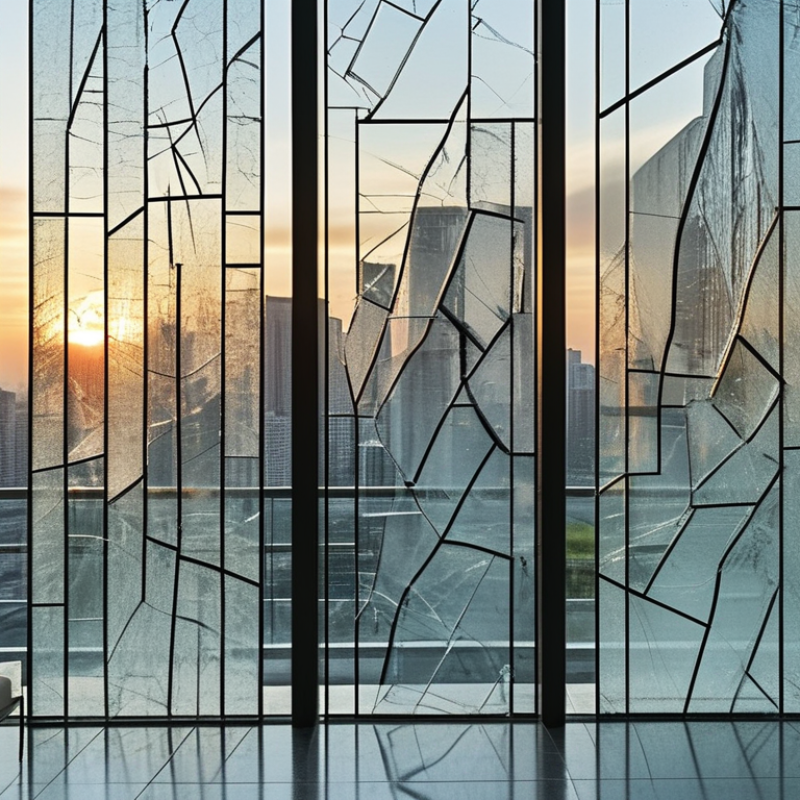
China Top Tempered Glass vs Laminated Glass What's the Difference?

Differences in Manufacturing Processes between Tempered and Laminated Glass

When considering glass options, understanding the manufacturing processes of tempered and laminated glass is essential. Tempered glass undergoes a rapid heating and cooling process. It is heated to over 600 degrees Celsius and then quickly cooled. This makes the glass much stronger than regular glass. If it breaks, it shatters into small, less dangerous pieces. This aspect enhances its safety and durability.

On the other hand, laminated glass consists of two or more layers of glass bonded together with a plastic interlayer. The layers are placed in an autoclave, where heat and pressure are applied. This process creates a strong bond. When laminated glass is broken, the pieces tend to stick to the plastic layer, reducing the risk of injury. However, not all laminated glass can resist impacts like tempered glass. A deeper understanding of these processes reveals that each type has unique pros and cons. Choosing between them requires careful consideration of safety, strength, and intended use.

Physical Properties of China Top Tempered Glass vs. Laminated Glass

Tempered glass and laminated glass both offer unique physical properties that suit different applications. Tempered glass is known for its high strength. It undergoes a special process of heating and rapid cooling, making it much tougher than regular glass. In contrast, laminated glass consists of layers of glass bonded together with a plastic interlayer. This design adds durability and reduces the risk of shattering.

The impact resistance of tempered glass is notable. When broken, it shatters into small, blunt pieces, reducing the risk of injury. Laminated glass, however, tends to hold together even when cracked. This characteristic can lead to a safer environment, particularly in areas where accidents are likely to happen. While tempered glass may be ideal for structures needing strength, laminated glass excels when safety is a priority.

However, both types of glass have their downsides. Tempered glass cannot be cut after being treated, limiting its versatility. Laminated glass can be thicker and heavier, which may not suit all designs. Each option has strengths and weaknesses. Choosing between them often requires careful consideration of the intended use and environment.

Applications and Uses of Tempered Glass in Various Industries

Tempered glass is widely used across various industries due to its strength and safety features. In construction, it often serves as facades or partitions. According to industry reports, tempered glass is five to six times stronger than standard glass, making it ideal for high-rise buildings. Its ability to shatter into small, blunt pieces enhances safety, reducing the risk of injury during breakage.

In the automotive sector, tempered glass is commonly found in windows and sunroofs. Data shows that more than 60% of vehicles manufactured today use tempered glass for these applications. This type of glass can withstand temperature fluctuations and impact, making it a reliable choice for car manufacturers. However, the laminate glass is also crucial in this industry, as it provides additional protection against penetration and offers better sound insulation.

The increasing demand for energy-efficient materials further emphasizes the role of tempered glass. Studies indicate that buildings using high-performance glass can improve energy efficiency by up to 30%. Yet, challenges remain in recycling and environmental impact. The industry still needs to address the lifecycle of tempered glass, focusing on sustainable practices. Further research into production methods is essential for reducing carbon footprints while maintaining quality.

Safety Features: Impact Resistance of Tempered versus Laminated Glass

When considering safety features, impact resistance is a crucial aspect to evaluate in glass types. Tempered glass is created through heating and rapid cooling, resulting in strength and durability. It can withstand significant impact and stress, making it a popular choice for applications requiring high safety standards. However, when broken, it shatters into small, blunt pieces, reducing the risk of injury.

Laminated glass, on the other hand, consists of two or more glass layers bonded with a plastic interlayer. This design enhances its ability to resist penetration. If broken, the glass fragments adhere to the interlayer, minimizing the risk of shards causing harm. This feature is essential in areas where safety is paramount, such as schools and public buildings.

**Tips:**
Always assess your specific needs before choosing glass types. Impact resistance is not the only factor; consider the application. For instance, a glass shower door may benefit more from tempered glass, while oversized windows might be better with laminated glass. Evaluate your environment and choose wisely.

Impact Resistance: Tempered Glass vs Laminated Glass

Cost Considerations and Market Trends for Tempered and Laminated Glass

When comparing tempered glass and laminated glass, cost considerations often play a significant role. According to a recent industry report, tempered glass generally costs between $15 to $25 per square foot, while laminated glass can range from $30 to $50 per square foot. This price difference can influence purchasing decisions, especially for large projects.

Market trends indicate a growing preference for laminated glass due to its safety and sound-dampening properties. Its unique structure absorbs impact better, making it a popular choice for commercial buildings. Despite the higher initial investment, laminated glass may reduce long-term costs associated with safety and security.

Tip: Always evaluate the long-term benefits versus initial costs. Investing in laminated glass could save on maintenance and prevent costly damages.

Despite the advantages of both types, it’s essential to consider installation costs and project specifics. Some architects prefer tempered glass for its strength in high-stress scenarios, despite potential drawbacks in safety. Clients should reflect on their priorities—cost versus performance—before making a choice.

Tip: Consult with industry professionals to understand the best choice for your needs.

FAQS

: What is the main difference in the manufacturing of tempered and laminated glass?

: Tempered glass undergoes rapid heating and cooling, while laminated glass consists of layers bonded with a plastic interlayer.

How does the safety of tempered glass compare to laminated glass?

Tempered glass shatters into small pieces, reducing injury risk. Laminated glass holds fragments, minimizing sharp shards.

Where is tempered glass commonly used?

Tempered glass is often used in construction for facades and partitions. It is also used in automotive windows and sunroofs.

What are the energy efficiency benefits of tempered glass?

High-performance tempered glass can improve energy efficiency in buildings by up to 30%, though recycling remains a challenge.

Can laminated glass resist impacts as well as tempered glass?

Not all laminated glass can withstand impacts like tempered glass. It offers different safety features.

Are there any drawbacks to using tempered glass?

While strong, tempered glass can be challenging to recycle, and the industry needs to address its environmental impact.

What factors should I consider when choosing between glass types?

Assess your needs carefully. Impact resistance and application context should guide your decision.

Why might someone choose laminated glass for safety?

Laminated glass keeps shards attached, which is critical in safety-focused environments like schools and public buildings.

What should I keep in mind about the longevity of these glass types?

Evaluate the lifecycle aspects. Sustainability and recycling methods impact long-term usage and environmental responsibility.

Can both glass types serve energy-efficient purposes?

Yes, both can offer energy efficiency, but their specific applications may vary based on strength and safety requirements.

Conclusion

In the discussion of "What is the difference between tempered glass and laminated glass?", it is essential to examine their manufacturing processes, physical properties, and applications across various industries. Tempered glass undergoes a heating and cooling process that enhances its strength and impact resistance, making it ideal for use in environments requiring high durability, such as buildings and automotive industries. On the other hand, laminated glass consists of layers of glass bonded with a resin interlayer, providing excellent safety features as it holds together when shattered.

When considering cost, tempered glass typically presents a lower price point compared to laminated glass, which may be more expensive due to its complex manufacturing process and added safety benefits. Understanding these differences helps stakeholders make informed decisions based on the specific requirements of their projects, balancing safety, aesthetics, and budget.

Henry

Henry

Henry is a dedicated marketing professional with a profound expertise in the company's offerings. With years of experience in the industry, he possesses an impressive understanding of the market dynamics and consumer behaviors that drive success. Henry is committed to sharing his insights through......