China Top Smart Switchable Glass Care in Humid Bathrooms?

Time:2026-11-21 Author:Isabella
0%

Smart switchable glass can bring privacy and daylight to a bathroom, but humid conditions deserve careful attention. Steam settles on the pane, while water can collect around its edges and frame. These small details matter. Regular, gentle care helps keep the glass clear and its switching performance dependable.

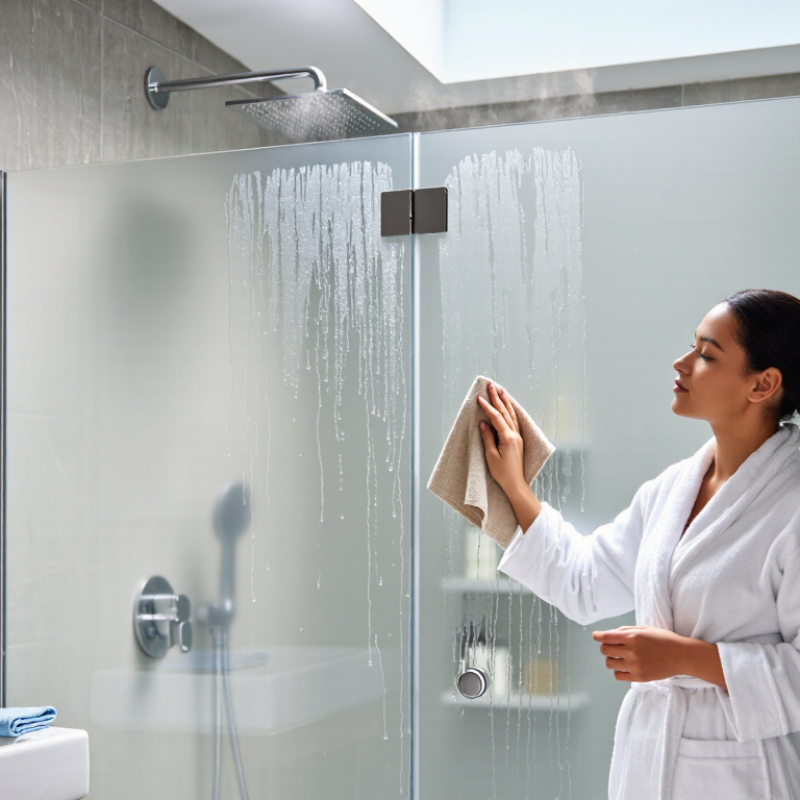
How to maintain smart switchable glass in humid bathrooms? Start with the product maker’s instructions, since coatings, seals, and control systems can differ. Wipe the surface with a soft microfiber cloth and a mild, glass-compatible cleaner. Do not spray liquid directly onto switches, connectors, or exposed edges. A dry cloth can remove droplets before they leave mineral marks. Check the frame and perimeter seals periodically for lifting, gaps, or persistent dampness. If you notice fogging inside the glass, flickering, or a change in switching behavior, stop troubleshooting by guesswork and contact the supplier or a qualified technician. Some problems may come from installation or wiring, not cleaning.

A tidy surface is not the whole story. Bathroom ventilation also matters; running an exhaust fan after showers can reduce lingering moisture. Avoid abrasive pads and harsh chemicals unless the manufacturer specifically approves them. Even careful routines cannot prevent every issue, and I would not promise that they can. A simple maintenance log may help: note when seals were checked and when unusual changes appeared. That practical record gives service professionals clearer information if the glass needs attention.
China Top Smart Switchable Glass Care in Humid Bathrooms?

How Smart Switchable Glass Works in Bathroom Environments

Smart switchable glass changes from clear to private when voltage alters the alignment of liquid crystals inside a laminated panel. In clear mode, light passes through; when switched off, the crystals scatter light and blur the view. The transition is useful beside a shower, where a clear panel can brighten the room and turn opaque when privacy matters. It is not a moisture sensor, though. Someone still has to control it.

Humidity itself is not the only concern. Hot showers leave condensation on glass, while water can collect at panel edges and electrical connections. The U.S. Environmental Protection Agency advises keeping indoor relative humidity below 60%, ideally between 30% and 50%, to limit mold growth. That guidance is not a switchable-glass rating, but it helps explain why ventilation matters. A bathroom fan, dry edge seals, and properly protected wiring all support reliable operation. The glass should be specified for damp locations; ordinary switchable panels are not automatically waterproof.

Ask the installer how the laminate, busbars, and controller are protected from moisture, and where the driver will sit. A hidden connection behind tile may look neat. It can also be difficult to inspect later. That detail deserves a second look. Room size, shower habits, and cleaning methods vary, so product testing and installation instructions matter more than a generic humidity claim.

How Smart Switchable Glass Works in Humid Bathrooms

Many PDLC smart-glass panels switch between transparent and private states when an electrical voltage is applied. The chart shows general indoor humidity guidance, not a glass performance rating. Smart glass does not control humidity; use bathroom ventilation and confirm that the glass, edge seals, wiring, and controls are specified for the installation environment.

Humidity guidance: U.S. Environmental Protection Agency (EPA), indoor humidity should ideally be 30–50% and kept below 60%.

How Humidity Affects Smart Glass and Its Electrical Components

Humidity does not usually damage smart glass by itself; condensation and moisture trapped at edges are greater concerns. Warm shower air can meet a cool pane, leaving droplets near its seals and electrical connections. Over time, moisture may encourage corrosion, unstable switching, or insulation problems. The risk depends on the glass construction, installation, and ventilation.

ASHRAE Standard 160-2021 uses a mold-growth index limit of 3.0 in its moisture assessment for building materials. This is not an electrical safety rating, but it underlines why persistent dampness deserves attention. Keep bathroom surfaces dry where practical, and check seals for gaps or peeling. Small details matter.

For electrical enclosures, IEC 60529 defines IPX4 protection against splashing water from any direction. That rating does not guarantee resistance to condensation or prove that every smart-glass connector is protected. Confirm the rating of the controller, junction box, and edge connections separately. A qualified installer should keep connections away from direct spray and follow the product’s stated installation conditions. If switching becomes slow after a steamy shower, do not assume the glass itself has failed; moisture at a connector may be involved. I would still inspect the seal first.

Safe Cleaning Methods for Switchable Glass in Humid Bathrooms

China Top Smart Switchable Glass Care in Humid Bathrooms?

Safe Cleaning Methods for Switchable Glass in Humid Bathrooms

Bathroom steam leaves fine droplets on glass, frames, and seals. Clean switchable glass with a soft microfiber cloth and diluted, pH-neutral detergent. Put the solution on the cloth, not directly on the panel. This helps prevent liquid from pooling near edges, controls, or electrical connections. Avoid abrasive pads, powders, and sharp scrapers; they can scratch surfaces or damage seals. Check the product care instructions before using alcohol or ammonia-based cleaners, since panel constructions differ.

Moisture control matters, too. The U.S. Environmental Protection Agency’s A Brief Guide to Mold, Moisture and Your Home recommends keeping indoor relative humidity ideally between 30% and 50%, and below 60%. Bathroom humidity may briefly rise during a shower, so run the exhaust fan and let the room dry afterward. A small oversight—leaving water trapped along the lower edge—can encourage residue or mold nearby. Check that area regularly.

Tips: Turn the panel off if the care instructions recommend it. Wipe gently in straight passes, then dry the edges with a separate cloth. Never soak switches or connectors. If haze remains, don’t scrub harder; confirm the approved cleaner with the supplier. One limitation: careful cleaning cannot fix a failing seal, so persistent moisture inside the panel needs professional inspection.

Routine Inspection and Maintenance for Long-Term Performance

In humid bathrooms, inspect switchable glass monthly for edge discoloration, lifting seals, trapped moisture, and uneven switching. The U.S. Environmental Protection Agency’s A Brief Guide to Mold, Moisture and Your Home advises keeping indoor relative humidity below 60%, ideally between 30% and 50%. A small hygrometer near the glass can reveal persistent humidity spikes. Check after showers, when condensation is easiest to spot. Never ignore cloudy edges.

Clean the surface with a soft cloth and a mild, non-abrasive cleaner; keep liquid away from connectors and control equipment. Follow the supplier’s care instructions, and ask a qualified technician to inspect wiring or damaged seals. ASHRAE Standard 160-2021 addresses moisture control through climate-specific assessment, a useful reminder that one humidity reading cannot explain every risk. Record inspection dates, visible changes, and switching delays. The log may be imperfect. Still, comparing notes over time can expose gradual deterioration that a quick glance misses.

Choosing China-Based Smart Glass Suppliers for Bathroom Projects

Choosing a China-based smart glass supplier for a bathroom project requires more than comparing quoted prices. Ask for completed bathroom installations, technical drawings, and sample panels. Check whether the proposed glass construction suits the opening size and expected moisture exposure. Humidity finds weak points.

Request written details for edge sealing, wiring, control units, and installation clearances. Ask how the supplier tests switching performance after exposure to heat and moisture. A component’s rating does not automatically certify the whole installed system. Confirm where electrical parts can safely be placed, and have local project professionals review the installation plan.

Before ordering, agree on sample approval, packaging, replacement procedures, and delivery timelines. These details matter when custom panels arrive with limited room for adjustment. For daily care, use a soft cloth and mild cleaner; avoid abrasive pads and spraying liquid directly onto edges or connections. Inspect seals periodically for lifting or discoloration.

One detail is easy to miss: maintenance instructions may be generic, so request guidance for the exact glass build. Even careful sourcing cannot prevent every installation issue. That deserves a little humility.

FAQS

How does switchable glass provide privacy in a bathroom?

Voltage changes the alignment of liquid crystals inside the laminated panel. In clear mode, light passes through; switched off, the view blurs.

Does the glass detect shower moisture automatically?

No. Someone must control the switch. It is not a humidity sensor.

Why does bathroom ventilation matter?

Showers create condensation, and water can collect near panel edges. Keep indoor humidity below 60% when possible; 30% to 50% is a useful target.

Is ordinary switchable glass waterproof?

Not automatically. Ask whether the glass is specified for damp locations and how its edges and electrical connections are protected.

What should I ask an installer before fitting a panel?

Ask where the controller and driver will sit, and how wiring and busbars resist moisture. Hidden connections behind tile can be hard to inspect later.

How can I assess a supplier for a bathroom project?

Request sample panels, technical drawings, and examples of completed bathroom installations. Check that the proposed glass suits the opening and expected moisture exposure.

What testing details should I request?

Ask how switching performance is checked after heat and moisture exposure. A component rating does not certify the entire installed system.

How should I clean and maintain the glass?

Use a soft cloth and mild cleaner. Avoid abrasive pads and spraying liquid onto edges or connections. Inspect seals for lifting or discoloration.

What should be agreed before ordering custom panels?

Confirm sample approval, packaging, replacement procedures, and delivery timelines. Also request care instructions for the exact glass build. Generic guidance can miss a detail.

Conclusion

Smart switchable glass can add privacy and convenience to bathrooms by changing from transparent to opaque when its electrical layer is activated. Because bathrooms experience frequent steam, splashes, and temperature changes, careful installation and moisture protection are essential. Sealed edges, suitable electrical connections, and proper ventilation help reduce the risk of humidity affecting the glass or its components.

How to maintain smart switchable glass in humid bathrooms? Clean the surface with a soft cloth and a mild, non-abrasive solution, keeping excess liquid away from edges, controls, and electrical connections. Avoid harsh chemicals, sharp tools, and direct spraying. Regularly check seals, wiring, controls, and switching performance, and address signs of moisture or damage promptly with qualified assistance. For bathroom projects, compare China-based suppliers by reviewing their product specifications, moisture-protection details, installation guidance, quality checks, and after-sales support to help ensure dependable long-term performance.

Isabella

Isabella

Isabella is a dedicated marketing professional with a sharp focus on driving brand growth and engagement through strategic content creation. With an extensive background in digital marketing, she combines her passion for storytelling with her keen understanding of industry trends to deliver......