Choosing among China’s top 10 IGU brands takes more than comparing prices or glass thickness. An insulating glass unit can look flawless on delivery, yet its long-term performance depends on details hidden inside the frame. Edge-seal quality, spacer design, desiccant, glass processing, and factory consistency all matter. So does installation. A strong product can still fail early if its edges are damaged or the frame drains poorly.
What is the lifespan of an insulating glass unit (IGU)? Many units perform for roughly 15 to 30 years, but this range is not a guarantee. Hot summers, cold winters, strong sunlight, humidity, and frequent temperature changes can affect seal durability. Signs of trouble may include persistent fogging or moisture between the panes. Details matter. A warranty can offer useful protection, but it does not prove how long every unit will perform in a real building.
This guide introduces ten Chinese IGU brands and the factors buyers can use to assess them, including product specifications, quality-control information, warranty terms, and relevant project experience. Brand rankings can shift by product type and market, so a list should be treated as a starting point, not a final verdict. Ask for clear technical documents and compare equivalent products. I would also look closely at local support; it is easy to overlook until a unit needs attention.
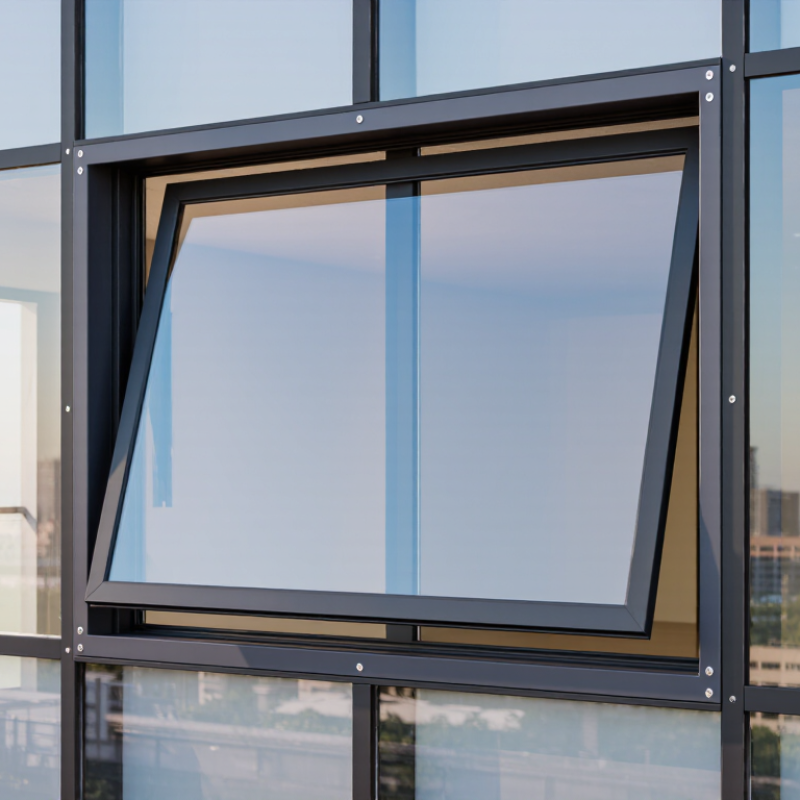
An insulating glass unit, or IGU, is a sealed assembly of two or more glass panes. A spacer separates the panes and creates a narrow cavity. That cavity usually contains air or an insulating gas. A seal around the edges helps keep moisture out. Some units also use low-emissivity coatings to reduce heat transfer. The simple explanation is useful, though it leaves out details such as spacer design and installation quality. An IGU is not a complete window by itself; its frame and surrounding seals also affect performance.
Tips: Check the glass for fog or droplets trapped between panes. Wipe both outer surfaces first. If the haze remains inside, the edge seal may have failed.
Many IGUs provide years of service, but no fixed lifespan fits every building. Sun exposure, temperature swings, poor drainage, and installation can all affect seal durability. A failed seal may reduce insulation and leave persistent haze, even when the glass is unbroken. Replacement decisions should consider the unit’s condition, not age alone. A careful inspection helps distinguish internal condensation from surface moisture.
An insulated glass unit (IGU) typically lasts about 15 to 25 years, though some perform well longer. Its service life depends on seal quality, installation, climate, and how often the frame gets wet. In cold regions, repeated freeze-thaw cycles can stress the edges; strong sun may age sealants faster. A sunny window may look fine. Failure can begin quietly.
Fog, moisture droplets, or a persistent haze trapped between panes often indicate a failed edge seal. The glass may remain intact, but insulating gas can escape and outside air can enter. Not every cloudy pane needs immediate replacement: dirt or room-side condensation can look similar. Check both surfaces first. A qualified window professional can help confirm whether moisture is inside the sealed cavity.
Care helps, but it cannot make a sealed unit last forever. Keep drainage channels clear, repair leaking frames, and avoid directing sprinklers at the glass edges. These steps reduce avoidable stress, yet installation defects or unnoticed frame movement can shorten service life. For planning, 20 years is a reasonable checkpoint, not a promise. Some units fail earlier. Others last longer, and the difference may not be visible from inside the room.
| Topic | Typical Range or Observation | What It Means for Service Life |
|---|---|---|
| Typical insulating glass unit (IGU) lifespan | Often around 10–20 years; some units last longer | Actual service life varies with materials, manufacturing quality, installation, climate, and maintenance. |
| Well-made, well-installed IGU | May remain serviceable for 20 years or more | A longer lifespan is more likely when the edge seal stays intact and the unit is protected from excessive stress. |
| Common end-of-life issue | Loss of edge-seal integrity | Moisture can enter the cavity, reducing clarity and potentially affecting insulating performance. |
| Visible sign of seal failure | Persistent fogging or condensation between panes | Moisture trapped inside the cavity generally cannot be removed by cleaning the glass surfaces. |
| Other warning signs | Cloudiness, deposits, or visible moisture inside the unit | These symptoms may indicate a failed seal; condensation on an exposed room-side surface can have other causes. |
| Climate and exposure | Strong temperature swings, intense sun, and severe weather can increase stress | Repeated expansion and contraction may contribute to seal deterioration over time. |
| Installation and frame condition | Proper drainage, support, and fit are important | Poor installation or water-trapping frames can increase the risk of premature deterioration. |
| Maintenance | Keep drainage paths clear and inspect frames and seals periodically | Maintenance cannot restore a failed IGU seal, but it can help prevent avoidable damage around the unit. |
| Warranty period | Terms vary by product and supplier | A warranty period is not a guaranteed lifespan; check the written terms, exclusions, and coverage. |
| Replacement consideration | Consider replacement when fogging is persistent or performance is impaired | Depending on the window design and condition, the sealed glass unit may be replaceable without replacing the entire frame. |
Note: These figures are general estimates, not guarantees. IGU lifespan depends on the specific unit, installation, operating conditions, and local climate.
An insulated glass unit (IGU) often lasts 15 to 30 years, but no fixed number applies to every window. Its service life depends on materials, manufacturing quality, installation, and local weather. A well-made IGU can still fail early when fitting leaves uneven pressure around the edge seal.
The edge seal is usually the first weak point. Heat, ultraviolet exposure, and repeated temperature changes can make it brittle. Moisture may then enter the cavity, creating fog, mineral marks, or visible droplets between the panes. Spacer design also matters. Warm-edge spacers can reduce cold bridging and stress around the seal. Argon gas improves insulation, but gas loss gradually reduces thermal performance.
Installation deserves close attention. A twisted frame, excessive setting-block pressure, or poor drainage can shorten an IGU’s life. Coastal salt, strong sunlight, freezing winters, and large daily temperature swings add further stress. Cleaning should use mild products and soft tools. Harsh chemicals can damage nearby seals. Check for internal condensation, cracked glass, and loose glazing beads each season.
In practice, early failure is not always obvious. A window may look clear while its gas fill has already declined. That is an imperfect limitation of visual inspection. Professional testing, including seal assessment and thermal checks, gives more reliable evidence. Replacement timing should consider energy loss, comfort, safety, and repair cost rather than age alone.
A failed IGU rarely announces itself with a dramatic crack. More often, moisture appears between the glass sheets, creating a gray haze, droplets, or permanent fog. The U.S. Department of Energy identifies condensation between panes as a clear sign of insulating seal failure. The view may look blurred, even after cleaning both surfaces.
Watch for more clues. A broken spacer can leave a dark edge around the glass. You may also notice peeling films, corrosion near the perimeter, or cold indoor glass during winter. Drafts do not always mean IGU failure; they may come from the frame, sash, or worn gaskets. That distinction matters.
Industry guidance from the Fenestration and Glazing Industry Alliance commonly places IGU service life around 10 to 25 years, depending on climate, glass design, installation, and exposure. The National Fenestration Rating Council explains that lost seal performance reduces insulating value and can increase heat transfer. In practical terms, a failed unit may raise comfort complaints before energy bills reveal the problem.
Check the pane in morning light. Use a temperature meter if available. Compare it with a nearby sealed unit. A single cloudy corner deserves inspection, not immediate replacement of the entire window. Yet visual checks are imperfect. A seal can lose gas without visible fogging. A qualified technician should confirm the diagnosis before repair decisions.
China has many manufacturers producing insulating glass units, but there is no universally accepted ranking of the country’s top ten. A useful shortlist should include different kinds of suppliers: large glass processors, regional fabricators, and factories specializing in custom commercial or residential units. Their capabilities can differ sharply.
When comparing ten Chinese suppliers, check their actual production lines, not just catalogue photos. Ask whether they make double- or triple-pane units, use warm-edge spacers, and offer low-emissivity glass options. Request recent quality records and sample unit details, including glass thickness, sealant type, and gas-fill checks. A clear answer matters.
Inspect the edge seal closely. It should look even, without gaps or trapped debris. Ask how the factory tracks moisture control and tests finished units for leakage or fogging. These details can help distinguish dependable manufacturers from sales-only exporters. A polished website is not proof. Rankings can look tidy on paper, yet supplier performance depends on the product specification, production batch, and installation. I would verify each shortlisted factory before treating any “top ten” claim as reliable.
Many last about 15 to 25 years. Some reach 30 years or longer, but age alone cannot predict failure.
Look for fog, droplets, or a lasting haze between the panes. A little cloudiness can be misleading.
Check both glass surfaces. If the moisture is trapped between panes, a window professional can help confirm it.
Strong sunlight, freezing and thawing, coastal salt, and large temperature swings can stress the edge seal.
Yes. A twisted frame, uneven pressure, or poor drainage can put extra strain on the sealed edges.
Keep drainage channels clear, fix frame leaks, and avoid spraying water at glass edges. These steps help, but they cannot prevent every failure.
Not necessarily. Gas loss may reduce thermal performance before fog becomes visible. Visual checks have limits.
Consider energy loss, comfort, safety, and repair costs alongside age. Around 20 years is a useful checkpoint, not a promise.
An insulating glass unit (IGU) consists of two or more panes of glass separated by a sealed space, often filled with air or gas to improve insulation. What is the lifespan of an insulating glass unit (IGU)? With proper manufacturing, installation, and care, an IGU can often serve for many years, though its actual service life varies. Seal quality, glass and spacer materials, climate, exposure to sunlight and moisture, building movement, and maintenance can all affect how long it lasts.
Common signs of IGU failure include condensation or fogging between the panes, visible moisture, reduced clarity, and a noticeable decline in thermal or sound insulation. The article also introduces how to assess Chinese IGU manufacturers, focusing on product quality, production capabilities, and reliability, without relying on brand names. Recognizing the causes and warning signs of failure can help readers make informed decisions about inspection, replacement, and long-term performance.

DotView Glass