Laminated glass has emerged as a valuable material in furniture design and protection. A recent industry report indicates that the use of laminated glass can enhance the durability of furniture by up to 30%. This statistic reflects the growing trend among consumers who prioritize longevity and aesthetic preservation.
A key concern for many is whether laminated glass effectively mitigates UV rays, which can lead to fading. Dr. Emily Carter, a renowned expert in material science, addresses this question directly: "Laminated glass significantly reduces UV exposure, contributing to the preservation of vibrant colors in furniture." This insight underscores the importance of selecting materials that not only enhance beauty but also protect investments.
Consumers are increasingly discerning about the materials used in their homes. While laminated glass offers impressive benefits, some may overlook its potential drawbacks. Scratches and maintenance may still occur, requiring regular care. However, the advantages, including UV protection and aesthetic enhancement, often outweigh these considerations. By exploring the question, "Will laminated glass block UV rays and prevent furniture fading?" one can appreciate its pivotal role in furniture protection.
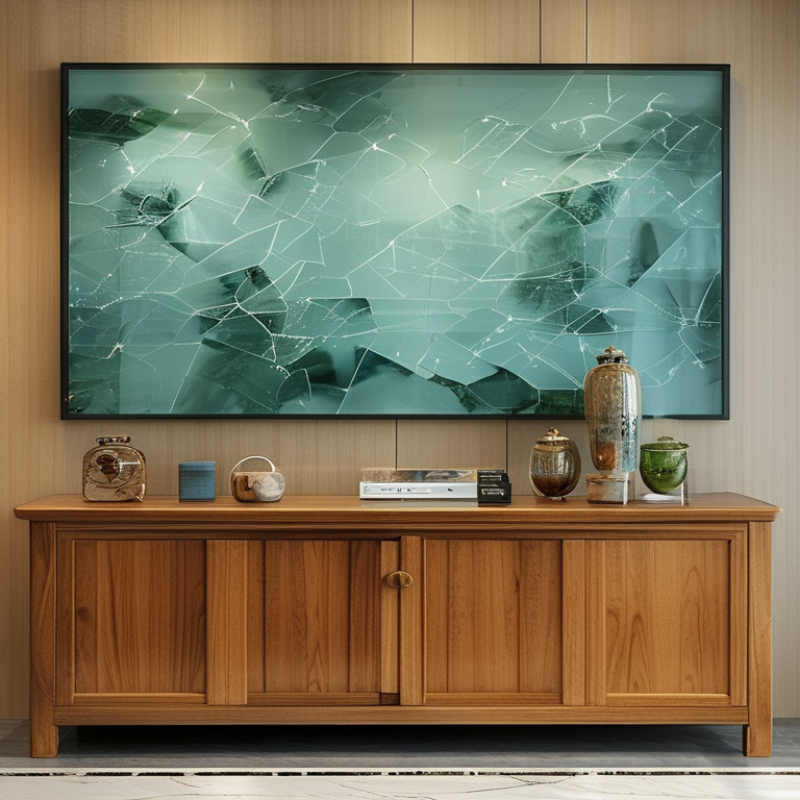
Laminated glass is becoming a popular choice for furniture protection. This type of glass consists of layers that are bonded together, which provides several benefits. Its primary advantage is enhanced safety. It is much harder to shatter compared to traditional glass. This means fewer sharp shards in case of accidental breakage, making it safer for homes with children and pets.
Another key benefit of laminated glass is UV protection. It blocks harmful ultraviolet rays that can fade furniture and other interior decor over time. This quality helps maintain the original color and aesthetic of your furniture for longer periods. Additionally, laminated glass offers noise reduction. It can create a quieter living environment by dampening sound waves. This feature makes it ideal for urban homes near busy streets.
Moreover, laminated glass is relatively easy to clean. Unlike regular glass, dust and fingerprints do not seem to cling as much. However, it is essential to use the right cleaning methods to avoid streaking. While the initial investment may be higher, the long-term benefits easily justify the cost. Choosing laminated glass is a significant step towards protecting your furniture and ensuring a safer living space.
This chart illustrates the top 10 benefits of using laminated glass for furniture protection. Each benefit is quantified based on its perceived importance.
Laminated glass is a significant advancement in furniture protection, particularly when it comes to enhancing safety through impact resistance. This innovative material consists of two or more glass layers bonded with a durable interlayer. In the event of an impact, the glass tends to shatter but remains intact, minimizing the risk of injury. You can imagine a lively family gathering where a stray ball might hit the coffee table. With laminated glass, the furniture maintains its integrity, providing peace of mind.
This technology is vital in both residential and commercial settings. High-traffic areas, like restaurants and offices, benefit immensely from laminated glass furniture. An accidental bump or push will not result in dangerous shards. Rather, the interlayer holds the glass together, reducing the hazards involved. The durability of laminated glass comes with aesthetic appeal, too. It can be manufactured in various colors and finishes, allowing it to complement any design scheme.
Despite its advantages, laminated glass is not without limitations. It can be heavier than standard glass, which may require strong support structures. Additionally, not all laminated glass is made equally; some may not perform well under extreme conditions. Careful selection of materials is necessary for optimal results. Understanding these nuances is crucial for anyone considering laminated glass in furniture design.
| Benefit | Description | Impact Resistance | Safety Rating |
|---|---|---|---|
| 1. Enhanced Safety | Reduces risk of shattering and injuries. | High | ASTM C1172 |
| 2. UV Protection | Blocks harmful UV rays that can cause fading. | Moderate | UV Protection Rating 99% |
| 3. Sound Insulation | Noise reduction for a peaceful environment. | High | STC Rating 35+ |
| 4. Energy Efficiency | Helps maintain temperature and reduces energy costs. | Moderate | Energy Star Certified |
| 5. Aesthetic Flexibility | Available in various styles and finishes. | Low | N/A |
| 6. Easier Maintenance | Smooth surface makes cleaning simple. | Low | N/A |
| 7. Durability | Highly resistant to impacts and scratches. | High | ASTM E1300 |
| 8. Enhanced Privacy | Blocks visibility while allowing light in. | Moderate | N/A |
| 9. Environmentally Friendly | Made from recyclable materials. | Low | N/A |
| 10. Cost-Effective | Long-term savings on maintenance and repairs. | Low | N/A |
Laminated glass provides remarkable UV protection for furniture.
Furniture exposed to sunlight often experiences fading. Over time, colors can dull and the integrity of materials can decline.
Laminated glass acts as a barrier, blocking harmful UV rays. This helps preserve the original color and quality of furniture.
The result is furniture that retains its beauty longer.
In spaces with big windows, UV protection is crucial. Natural light enhances a room but also brings risks.
Many homeowners don't realize the damage sunlight can cause. Laminated glass reduces these risks significantly.
It’s an investment in longevity.
Consider the exquisite hues of a wooden table or the rich fabrics of a sofa. Both can suffer without protection.
Laminated glass not only safeguards them but also enhances their appearance. Reflective surfaces can add aesthetic value, creating a more inviting environment.
The choice of laminated glass reflects thoughtfulness toward both style and durability.
Laminated glass is increasingly favored in furniture design, especially for its ease of maintenance. One of the standout benefits is its simplicity when it comes to cleaning. Unlike traditional glass, laminated surfaces are less prone to scratches and stains. According to a report by the Glass Association, laminated glass reduces maintenance time by 30%. It remains pristine with just a damp cloth and mild detergent.
While laminated glass offers durability, it is essential to acknowledge that not all surfaces are equal. Some may show signs of wear over time if not cared for properly. Thus, regular maintenance is crucial. Clean spills immediately to prevent staining. Pay attention to the cleaning agents used; avoid abrasive cleaners.
A few tips can enhance your experience with laminated surfaces. Use soft cloths to avoid scratches. Additionally, consider a protective coating that can enhance longevity further. Avoid exposing laminated glass to extreme temperatures, which can compromise its integrity. Regularly inspecting your furniture can help catch any potential issues early.
Acoustic insulation is becoming increasingly important in modern living spaces. Laminated glass offers significant advantages in noise reduction. Research indicates that laminated glass can reduce sound transmission by up to 32 decibels. This capability is crucial for creating serene environments in urban settings.
In homes located near busy streets or airports, noise pollution can affect mental health and daily life. Studies show that excessive noise can lead to stress and sleep disturbances. Laminated glass effectively minimizes these issues. By combining sheets of glass with a sound-dampening interlayer, it creates an acoustic barrier that absorbs sound waves.
However, while laminated glass excels at reducing noise, it is not a complete solution. Some frequencies may still penetrate, so combining it with other soundproofing measures is advisable. Homeowners should also consider the potential weight and installation challenges associated with laminated glass. Overall, understanding both its capabilities and limitations can inform better design choices for peaceful living spaces.
Laminated glass has gained popularity in modern furniture design. Its ability to combine aesthetic appeal with functional protection makes it a versatile choice. Designers appreciate the variety it brings to furniture applications. Laminated glass comes in various colors and textures, enhancing visual appeal while providing durability.
Incorporating laminated glass in furniture allows for innovative designs. You can use it for tabletops, cabinet doors, or shelving. This material can mimic the look of traditional glass while offering enhanced safety features. The ability to layer materials adds depth and interest. Plus, it can support custom designs to reflect personal style.
**Tips**: When selecting laminated glass, consider the thickness and finish. Thicker glass provides better protection but may alter the design’s scale. Also, think about the reflective quality. A matte finish can reduce glare in bright spaces.
Implementing laminated glass in your furniture is not just about looks. It requires thought about usability and maintenance. Sometimes, the material may not blend seamlessly with all decor styles. Experimentation is key to finding the perfect balance.
: Laminated glass consists of multiple glass layers with an interlayer. It shatters safely during impacts, reducing injury risks.
It's ideal for high-traffic areas like restaurants and offices, where accidental impacts frequently occur.
Laminated glass is easier to clean and resists scratches. It requires just a damp cloth and mild detergent.
Yes, it can be heavier than standard glass. Strong support structures may be needed for installation.
It can reduce sound transmission by up to 32 decibels, creating quieter living environments, especially in urban areas.
No, while effective, some noise frequencies can still penetrate. Additional soundproofing may be necessary.
Clean spills immediately, avoid abrasive cleaners, and regularly inspect for signs of wear.
Use soft cloths for cleaning and consider applying a protective coating to reduce wear.
Be mindful of its weight and ensure your furniture supports it adequately for safe use.
Select quality materials and understand their performance under specific conditions for optimal results.
Laminated glass offers numerous benefits for furniture protection, making it a popular choice in modern design. One of its key advantages is enhanced safety through impact resistance, which helps prevent breakage and injuries. This type of glass also provides significant UV protection, effectively addressing the question, "Will laminated glass block UV rays and prevent furniture fading?" By safeguarding against harmful UV rays, laminated glass helps preserve the color and integrity of furniture over time.
Additionally, laminated glass surfaces are easy to maintain, ensuring longevity and cleanliness with minimal effort. Beyond functional benefits, this material also provides acoustic insulation, reducing noise pollution in living spaces, and offers design versatility, allowing for a range of aesthetic choices that enhance furniture applications. Overall, laminated glass is an ideal option for those seeking both protection and style in their furniture.

DotView Glass