Benefits of Acid-Etched Glass vs Sandblasted Glass?

Time:2026-06-04 Author:Aria
0%

When considering decorative glass options, one questions arises: "What are the benefits of acid-etched glass vs. sandblasted glass?" According to John Smith, a renowned architectural glass expert, "Acid-etched glass provides a smoother finish and is often easier to clean than sandblasted glass." This statement reflects the growing preference for acid-etched glass in both residential and commercial settings.

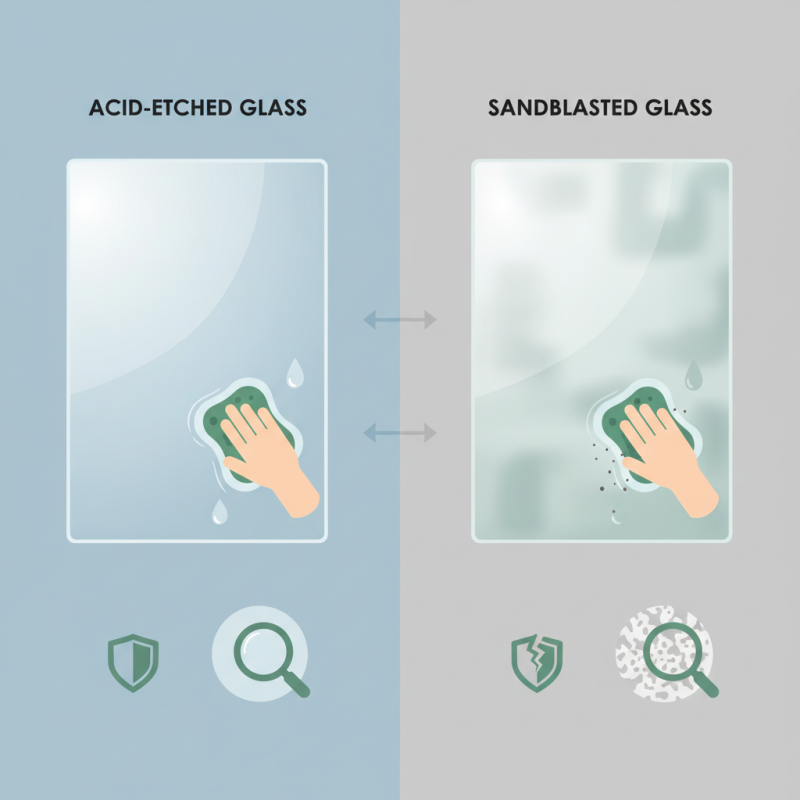
Acid-etched glass uses acid to achieve its frosted appearance. This process delivers a more uniform texture. In contrast, sandblasting can create variations in depth and opacity. This can lead to inconsistencies in appearance. Moreover, acid-etched glass is known for better durability. It produces less wear from cleaning and everyday handling. In contrast, sandblasted surfaces can become rough over time, potentially trapping dirt.

The choice between these two types of glass is significant. It impacts not just aesthetics, but also maintenance. Users should weigh the pros and cons carefully. By examining these aspects, one can make a more informed decision. Understanding their benefits is crucial for achieving desired designs.
Benefits of Acid-Etched Glass vs Sandblasted Glass?

Benefits of Acid-Etched Glass Over Sandblasted Glass

When comparing acid-etched glass to sandblasted glass, several benefits emerge. Acid-etched glass offers a finer and smoother surface. The finish is incredibly consistent, enhancing the overall look of any space. In contrast, sandblasted glass may show uneven textures. This inconsistency can detract from the intended design.

One major advantage of acid-etched glass is its ability to diffuse light more evenly. This creates a softer illumination, making rooms feel warmer and more inviting. Using it in residential settings can reduce harsh glare, which is beneficial for comfort. Sandblasted surfaces can sometimes lead to scattered light, generating unwanted shadows.

Tips: When choosing which glass to use, consider your lighting needs. Acid-etched glass is ideal for areas requiring consistent light. For privacy, evaluate the degree of translucency you want.

Another point to reflect on is the maintenance aspect. Acid-etched glass tends to be easier to clean. Sandblasted surfaces can trap dirt and grime, making upkeep challenging. Despite its decorative appeal, the functional drawbacks warrant consideration. Opting for acid-etched glass may offer long-term benefits in both functionality and aesthetics.

Durability and Longevity of Acid-Etched Glass

Acid-etched glass and sandblasted glass each have their place in design. However, acid-etched glass stands out in terms of durability and longevity. According to a study conducted by the Glass Association, acid-etched surfaces typically exhibit greater resistance to wear and tear compared to their sandblasted counterparts. This can be attributed to the chemical process of etching, which modifies the glass surface at a microscopic level, creating a smoother and denser finish.

In contrast, sandblasted glass may show signs of abrasion over time. The rough texture of sandblasting can lead to material wear due to environmental factors. Industry observations suggest that acid-etched glass can last up to 50% longer in high-traffic areas. Many professionals point out that while initial costs may differ, the longevity of acid-etched glass can lead to lower replacement rates, ultimately saving money.

In aesthetically demanding environments, the ability of acid-etched glass to maintain its clarity and resistance to scratches is crucial. A recent report by the Architectural Glass Council indicates that acid-etched glass retains its look and functionality over years of exposure. Yet, some may ponder the environmental impact of the chemicals used in the etching process. While both methods have their strengths, the durability of acid-etched glass raises important points for consideration in sustainable design.

Benefits of Acid-Etched Glass vs Sandblasted Glass

Feature Acid-Etched Glass Sandblasted Glass
Durability High resistance to scratches and weathering. Good but may degrade quicker under harsh conditions.
Longevity Lasts longer due to less porous surface. Shorter lifespan, especially if exposed to moisture.
Maintenance Easier to clean, requires less frequent maintenance. May require more effort to maintain appearance.
Aesthetic Options Smooth finish allows for intricate designs. Texture can provide a rustic look but limits design intricacy.
Cost Generally higher initial investment. Often more budget-friendly initially.

Design Versatility: Acid-Etched vs Sandblasted

Acid-etched and sandblasted glass offer distinct design possibilities. Acid-etched glass boasts a smooth finish, ideal for modern, clean aesthetics. This technique provides a subtle translucency, allowing light to filter through while obscuring visibility. It works well in both residential and commercial applications, enhancing privacy without sacrificing brightness. Designers frequently favor acid-etched glass for elegant partitions and decorative elements, as it blends seamlessly with various materials.

On the other hand, sandblasted glass delivers a textured surface with a more pronounced feel. Its rough finish adds depth and character to any space. This method creates a bolder, more tactile feel, making it suitable for statement pieces like entryway doors or feature walls. The depth of the design can range from light to heavy engraving, allowing for tailored art that responds to specific design needs.

Tips: When choosing between these two options, consider your space's lighting and desired ambiance. Acid-etched glass works best in brighter environments where light diffusion is desired. Sandblasted glass may excel in spaces needing a touch of drama. Furthermore, it's essential to think about upkeep. Both types require minimal maintenance but may show fingerprints or smudges more visibly based on their textures. Choosing the right type involves balancing aesthetics with practicality.

Maintenance Requirements for Acid-Etched Glass

Acid-etched glass has gained popularity for many architectural applications. One significant advantage lies in its maintenance requirements. Unlike sandblasted glass, which can trap dust and dirt in its texture, acid-etched glass offers a smoother surface. This feature helps keep it clean with less effort.

Cleaning acid-etched glass typically requires just mild detergent and water. This method is convenient and avoids harsh chemicals that could damage the surface. Regular cleaning can help maintain its aesthetic appeal. However, it is essential to consider that sometimes stubborn stains may require extra attention. Overall, the maintenance for acid-etched glass remains manageable compared to other textured glasses.

Despite these advantages, users should be cautious with scratching and abrasion. Acid-etched surfaces can still suffer from wear over time. Careful handling and thoughtful installation are necessary to prevent potential damage. However, with proper care, acid-etched glass can maintain its elegance for years, providing both beauty and functionality in any space.

Cost Comparison Between Acid-Etched and Sandblasted Glass

Acid-etched glass and sandblasted glass offer unique benefits. However, their costs can vary significantly. Industry reports indicate that acid-etched glass typically ranges from $30 to $50 per square foot. This method uses chemical solutions to create a smooth, matte finish. It’s less labor-intensive than sandblasting, which contributes to its relatively lower price.

In contrast, sandblasted glass can cost anywhere from $40 to $70 per square foot. This technique requires high-pressure blasting, making the process time-consuming and labor-intensive. The results can vary based on the design complexity. Architectural guidelines show that intricate patterns increase the overall cost and time.

While acid-etched glass generally provides a more uniform appearance, it may not offer the same depth of texture as sandblasting. The choice between the two often reflects project budgets and design specifications. Projects with strict budgets may lean toward acid etching for its efficiency. However, sandblasted surfaces may capture more light, creating stunning effects. Choosing between these two options involves careful consideration of cost and desired aesthetic outcome.

FAQS

: What is acid-etched glass?

: Acid-etched glass has a smooth finish. It allows light to filter while obscuring visibility.

Where is acid-etched glass commonly used?

It is used in residential and commercial spaces. It's great for partitions and decorative elements.

What defines sandblasted glass?

Sandblasted glass features a textured surface. This provides a distinct, tactile feel to spaces.

When should I choose sandblasted glass?

Sandblasted glass adds drama to your space. It's ideal for statement pieces like entryway doors.

How do the costs of both glass types compare?

Acid-etched glass costs $30 to $50 per square foot. Sandblasted glass ranges from $40 to $70.

What influences the cost of sandblasted glass?

The cost varies based on design complexity. Intricate patterns increase both cost and time needed.

How does lighting affect my choice?

Acid-etched glass works best in bright areas. Sandblasted glass may be better for low-light spaces.

Do both glass types require maintenance?

Yes, both types need minimal maintenance. However, their textures may show fingerprints more visibly.

Can I mix the two glass types in a project?

Yes, mixing them can create unique contrasts. Balance aesthetics with practicality.

What should I consider when choosing between the two?

Reflect on your budget and design needs. Think about lighting and the desired ambiance.

Conclusion

When considering glass options for design and functionality, one may ask, "What are the benefits of acid-etched glass vs. sandblasted glass?" Acid-etched glass offers numerous advantages, including enhanced durability and longevity compared to sandblasted alternatives. Its surface is less likely to deteriorate or show signs of wear over time, making it a more sustainable choice for long-term use.

In terms of design versatility, acid-etched glass provides a smoother finish that can better accommodate intricate patterns and textures, while also allowing for a wide range of aesthetic applications. Additionally, maintenance requirements for acid-etched glass are often less demanding, as it is easier to clean and maintain than sandblasted glass. Finally, while cost can vary, acid-etched glass may prove to be a more cost-effective solution when considering its durability and lower maintenance expenses in the long run.

Aria

Aria

Aria is a dedicated marketing professional with a deep passion for innovative strategies and a keen understanding of our company's product offerings. With a wealth of experience in the industry, Aria excels at crafting engaging content that highlights the unique features and benefits of our......